Montana Fish, Wildlife & Parks responds to hunting complaints on the Crow Reservation because a 1981 U.S. Supreme Court decision gave the state jurisdiction over the Bighorn River and limited tribal authority to civil enforcement over nonmembers, Eastern Progress reported.
Why does the state respond on reservation land?
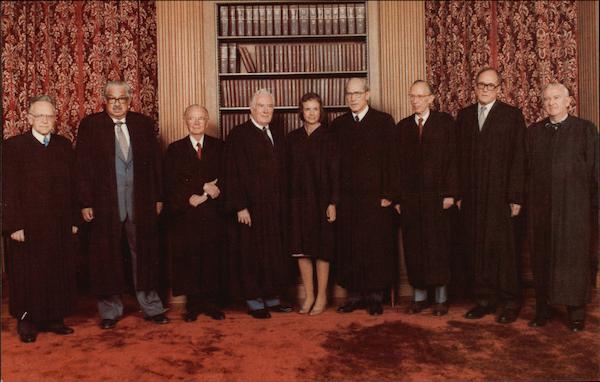
The 1981 ruling held that the riverbed was never granted to the Crow Tribe by 19th-century treaties and that Montana received jurisdiction over the river at statehood, Eastern Progress reported. The Court decided 6-3, overturning the Ninth Circuit, which had upheld tribal regulatory authority.
What happened before the Supreme Court ruling?
The Crow Tribal Council prohibited nontribal hunting and fishing in 1973, citing treaty rights, Eastern Progress reported. The Bighorn River was closed to public angling in 1978 while the federal government pursued a civil suit to establish tribal ownership of the riverbed and banks, according to the Great Falls Tribune. On March 14, 1979, Crow game wardens Wallace Red Star and Al Caplatt confiscated fish from non-Indians on the river.
How did the courts split?
The Ninth Circuit ruled the tribe could not bar nontribal landowners — then about one-third of the reservation — from hunting and fishing on their own land, Eastern Progress reported.
It allowed tribal regulation on fee land if reasonable and nondiscriminatory, but limited violations by non-Indians to civil, not criminal, penalties. The tribe appealed and blocked river access roads in August 1981 after the state Fish and Game Commission voted to reopen the Bighorn to nontribal anglers.
What do current regulations say?
Montana’s upland bird regulations prohibit hunting on reservations with a state license except where agreements exist with tribal governments, Eastern Progress reported. The regulations note a cooperative management agreement with the Confederated Salish and Kootenai Tribes on the Flathead Reservation. For the Crow Reservation, state upland game bird regulations apply to deeded “fee” land.
What prompted the recent FWP response?
A foreman at Monette Farms called FWP to complain about hunters trespassing, Eastern Progress reported. The Canadian-based agricultural company owns three Big Horn County parcels totaling more than 92,000 acres (576 square miles) with seven miles of Bighorn River frontage, currently listed for $96 million by Premier Land Co. The properties are marketed for “world-class fly fishing” and “world-class migratory waterfowl hunting,” Eastern Progress reported, citing Canadian Cattlemen.
Keep reading

Badgers QB Situation: Fickell Doesn’t Rule Out Two Quarterbacks vs Minnesota
Wisconsin Badgers head coach Luke Fickell has not ruled out using two quarterbacks in the team's Black Friday...

Volcano Through Salt Lake Study Rewrites Iron Ore Deposit Genesis at ANU
An experimental study has reproduced every major feature that competing theories have spent decades trying to explain in...

Environment Canada Lifts Coastal Flood Warning for Metro Vancouver
Environment Canada lifted its coastal flooding warning for Metro Vancouver on Friday while king tides continue through Monday...

Utah Mammoth Beat Nashville Predators 6-5 in Shootout
NASHVILLE, Tenn. -- The Utah Mammoth defeated the Nashville Predators 6-5 in a shootout on Friday, securing their...