
A $100 Bet and an Unsealed Machine: Milwaukee’s Election Day Flaws
On the Tuesday of Wisconsin’s 2026 election, Milwaukee’s election officials won a bet they never wanted to take. For weeks, Bob Spindell, a Wisconsin Elections Commission appointee and a former Milwaukee election commissioner, had been trying to make a $100 wager that something would go wrong with the city’s election. “I assume something will go wrong tomorrow,” he told Votebeat the day before, as he watched officials prepare to count absentee ballots.
He was right. Just after polls opened, officials discovered a tabulator lacked a proper security seal. A couple of hours later, they realized two election workers hadn’t written unique identifying numbers on 242 ballots. Later, two tabulators refused large batches of ballots, and another spat out error messages while downloading results. These are the exact sorts of mistakes Milwaukee officials have been trying to avoid for years.
A Pattern of Problems
Milwaukee’s defenders say Republicans blow these mistakes out of proportion, caring about them only when they want to scapegoat the city for GOP losses. But more neutral observers are concerned, too. While some errors are inevitable, experts say a pattern points to the need for additional oversight.
“If there are repeated errors, investigation is necessary to determine the actual root cause,” said Chris Piper, the former top election official in Virginia and co-founder of the election administration consulting group Advance Elections.
Milwaukee’s election chief Paulina Gutiérrez downplayed the impact of human errors. She argued that redundancies ensure small missteps don’t become catastrophes, calling a recent error a clerical issue.
But former Pennsylvania Secretary of State Kathy Boockvar linked the issues to a lack of resources. “When we don’t fund any program area with sufficient resources to carry them out well, you end up with a situation like I’m sure Milwaukee has — like probably most jurisdictions in this country — where election officials are underfunded and understaffed,” she said. “Their equipment is outdated, their training is outdated, and they’re working as hard as they possibly can to do a job that’s actually a lot harder and a lot more complicated than it used to be.”

The Wisconsin Elections Commission has the authority to investigate municipalities if it has concerns. But Democratic appointee Ann Jacobs said WEC hasn’t had reason to investigate Milwaukee because the city has addressed its errors. “We only do investigations when we don’t know the answer to what happened,” she said. The commission investigated Madison in 2024 after 193 ballots went missing and Green Bay sent duplicate absentee ballots twice.
The Pressure Cooker of Scrutiny
Milwaukee’s history of errors, combined with its status as a diverse source of Democratic votes in an otherwise white, rural state, has made it a target for Republicans who suspect its elections are not totally above board. But this intense scrutiny can make things worse, Piper said.
“This increased scrutiny certainly adds pressure to the individuals administering the elections, and therefore increases the chances for errors when you have overworked election administrators,” he said.
Some of Milwaukee’s most vocal critics were at its central counting facility on Tuesday. Former state legislator Janel Brandtjen, who endorsed Trump’s false contention that the 2020 election was stolen, pointed to a 2022 incident where a Milwaukee deputy clerk sent fake military ballots to her house. “The deputy clerk made up ballot names and sent them to my house,” Brandtjen said. “I mean, that should say everything you need to know, right? That alone. And what does that say about the system?” A city spokesperson said that employee was investigated, terminated, and convicted, and that her misconduct shouldn’t be used to suggest broader problems without evidence.
As the night wore on and it became clear Republicans were falling short in key statewide races, many GOP observers left the facility. Janel Brandtjen, Spindell, and others who had been watching for signs of trouble were gone. Had they stayed, they would have witnessed another innocuous error: one of the city’s 10 absentee-ballot tabulators showed an error message after officials downloaded results. Gutiérrez decided to download the results onto an extra thumb drive to be safe.
By the time county officials uploaded the final results just before 1 a.m., the pressure was off. Republican gubernatorial candidate U.S. Rep. Tom Tiffany had admitted defeat hours before. “It’s somewhat nice that it doesn’t have to all come down to the city of Milwaukee — waiting for those results,” said Milwaukee County Clerk George Christensen. “It takes a little pressure off my staff, which makes me happy.”
For now, the immediate crisis has passed. But the questions remain. Milwaukee continues to be a city where election administration is under a microscope, and every error, big or small, feeds a cycle of mistrust. The city has its defenders, who argue the process is sound and any problems are fixed. It has its critics, who see a pattern of failure. And in the middle are the election workers, trying to manage a complex, high-stakes job under the brightest of spotlights.
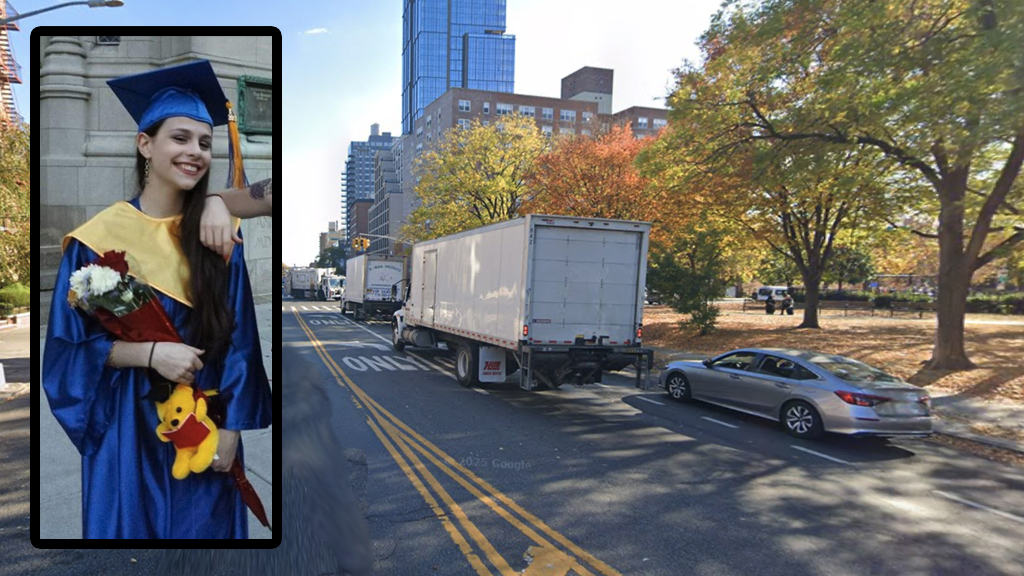
DSNY Driver Arrested in Fatal Brooklyn Pedestrian Crash
Sanitation Driver Arrested After Fatal Bensonhurst Pedestrian Crash Timothy McVey, a 41-year-old Department of Sanitation driver from Staten...
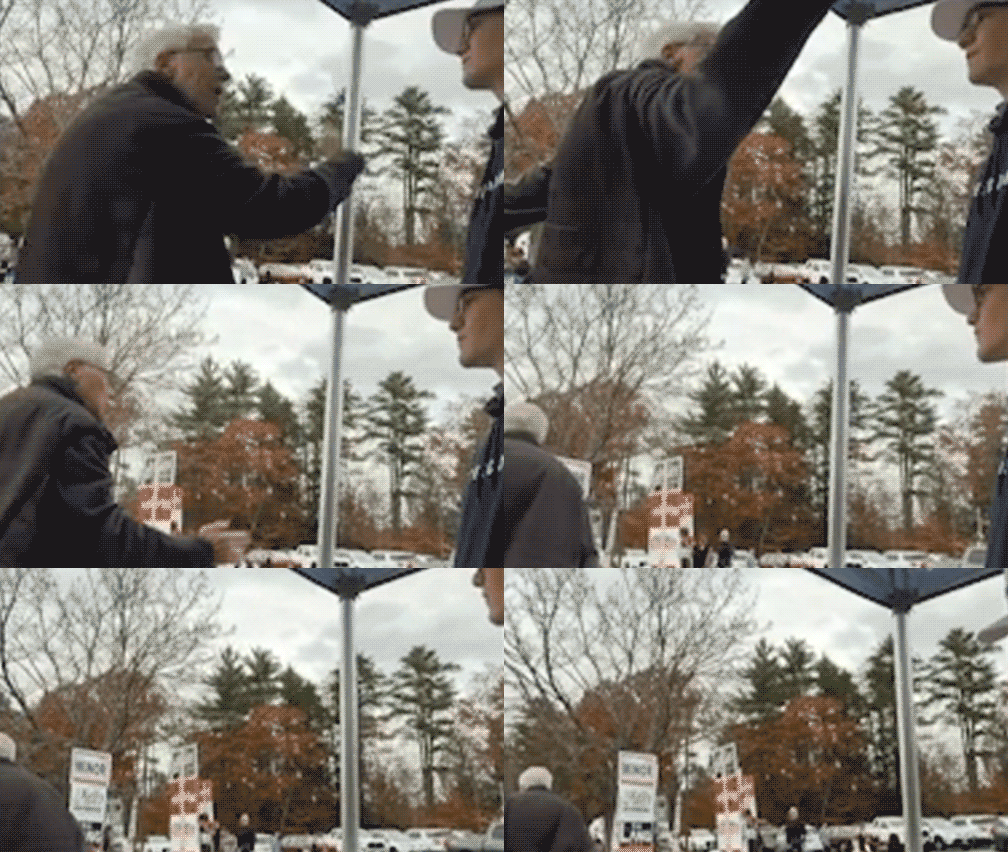
Poet Arrested After Allegedly Slapping Turning Point Action Member at New Hampshire Polling Place
The Laconia Police Department said officers arrested the suspect, identified as Stephen Redic, around 8 a.m. Wednesday on...

Maintenance Technician Position Open at Albuquerque Convention Center
Albuquerque Convention Center Seeks Part-Time Technicians to Power Events Behind the Scenes Legends Global, the company that manages...

New Jersey politics: Primary, ethics, Christie, warehouse
A Plurality Win, a Divided Party Dr. Hamawy won the Democratic primary to replace Congresswoman Bonnie Watson Coleman...