
Bill Hill’s 25,000-Mile Alaska Campaign Closes in on Republican Incumbent Nick Begich
Independent challenger Bill Hill has traversed more than 25,000 miles across Alaska in a grueling campaign to unseat freshman U.S. Representative Nick Begich, turning what initially appeared to be a steep long shot into a statistical dead heat. Two separate polls released in October place Begich leading by no more than two percentage points, prompting national political trackers like Sabato’s Crystal Ball to shift the rating of the race from “likely Republican” to “leans Republican.” DCCC Spokesperson Anna Elsasser framed the shifting momentum starkly, stating in recent commentary that Alaskans are ready for leadership that understands household economic pressures.
I’m Bill Hill. I’m Dena’ina Athabascan. And I’m so proud to call Alaska home. Thank you, AFN. pic.twitter.com/7EjEsEdU6C
The core of Hill’s political appeal stems from his background as a small-town fisherman and a member of an Indigenous family with deep historical roots in the Bristol Bay region. As Anchorage Press profiles have detailed, what Hill lacks in conventional political machinery, his supporters argue he matches with deep-seated local credibility. His campaign has directly targeted Begich’s multi-million-dollar net worth—much of it tied to software and technology investments—arguing that the incumbent has favored partisan party lines and wealthy allies over the everyday needs of his constituents.
Rural Economic Pressures Drive the Late-Race Surge
Nowhere is Hill’s message of affordability landing harder than in rural Alaska, where the cost of living has skyrocketed under the compounding weight of national and international market forces. Gasoline prices in remote communities frequently exceed $10 a gallon—spiked in part by the U.S. war in Iran—while basic staples drain household budgets. During a recent campaign stop in a rural village where roughly a quarter of the population turned out for reheated pizza and a stump speech introduced in the Dena’ina language, local residents voiced acute frustration. Commercial fisherman Tref Andrew noted that a single season of fishing used to cover a family’s annual needs, a stark contrast to current survival math where shoppers pay $60 for a small bag of groceries and $175 for a single tank of gas priced at $11.98 a gallon.

“Fuel, groceries, electricity, airfare, it’s getting really tough,” said local resident Jessie Wilson, adding that Hill “lives in it. He gets it. He’s in the thick of it just like we are.”
Hill’s platform centers on containing spiking gas and health care costs, curbing the influence of unlimited corporate money in politics via a repeal of the Citizens United decision, and closing tax loopholes for the wealthy. While he supports natural resource extraction, gun rights, abortion access, and expanded Medicaid coverage, he sharply opposes the controversial Pebble mine project in Bristol Bay, aligning himself with local commercial fishermen and residents who fear ecological damage to the region’s massive salmon runs. He also opposes President Donald Trump’s proposed tariffs and the elimination of renewable energy tax credits.
The Final Days Before Election Day
As the campaign races toward its final days, Begich’s campaign declined requests from reporters to spend time on the trail with the incumbent, leaving the contrast between the two candidates sharply defined by their respective travel schedules and constituent engagement strategies. Hill’s journey—which began from roots in a shallow, grassy pit that once housed a cabin near Lake Clark—has tapped into a profound exhaustion among voters who feel overlooked by federal representation in Washington, D.C.
With poll numbers narrowing to a two-point margin and national handicappers revising their forecasts, the contest hinges entirely on whether rural turnout and anti-incumbent sentiment can overpower traditional partisan advantages in the final hours.
Related reading

Democrats Get Triple Boost in Key Senate Battlegrounds Days Before Midterms – Newsweek
Late Battleground Shifts in Maine, Michigan, and Texas Control of the United States Senate hangs in a precarious...
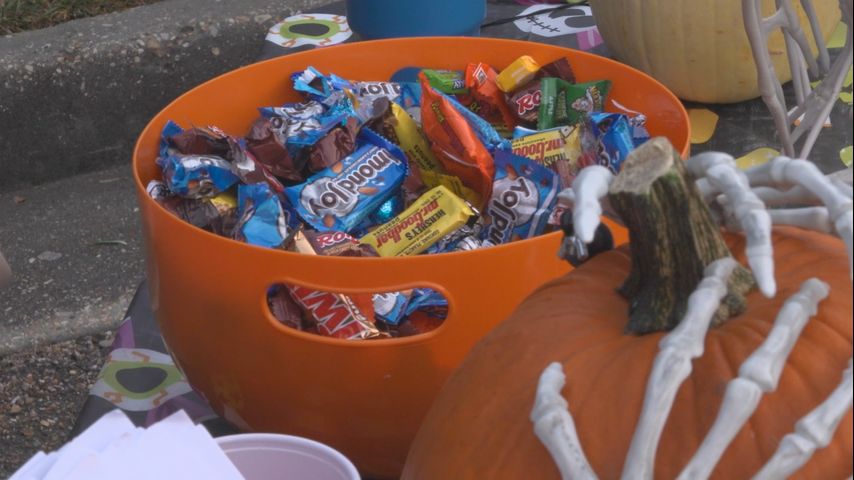
Halloween brings increased traffic fatalities, prompting safety concerns for trick-or-treaters
As families across the country stepped out for Halloween celebrations, state highway data and first responders highlighted a...
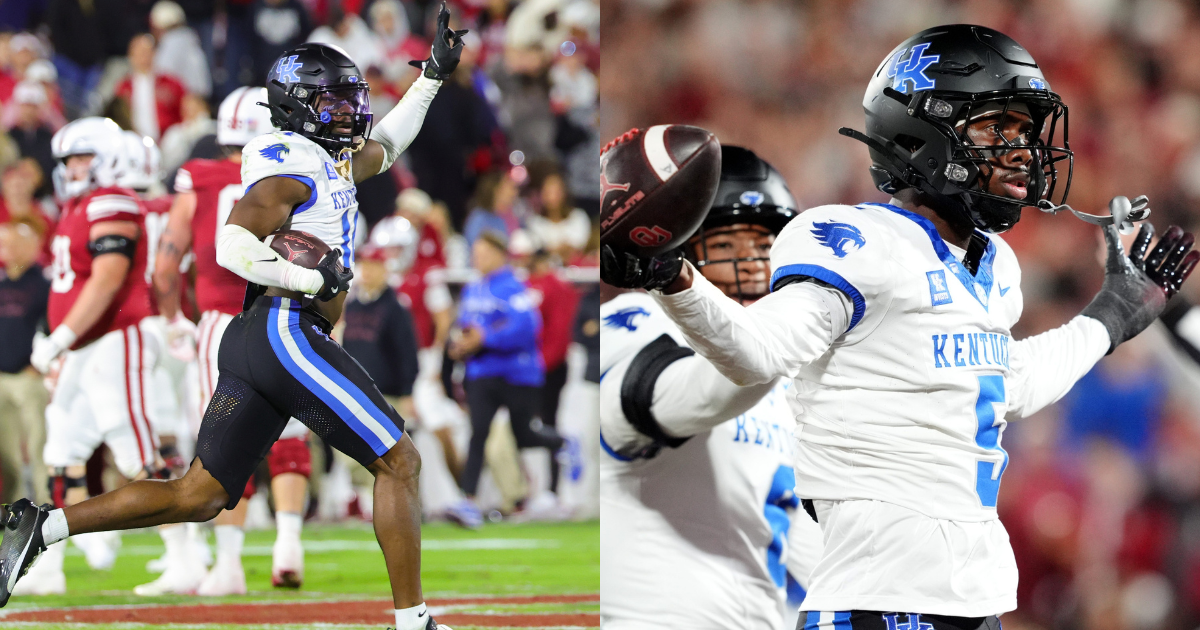
Ty Bryant, Jordan Castell are giving Kentucky ‘uncommon’ play and production at safety
Kentucky's Safety Tandem Delivers Uncommon Play and Production Ty Bryant and Jordan Castell entered this college football season...
Living Learning and Honors Community Applications | Housing – The University of Iowa
The housing application portal for new and transfer students at the University of Iowa officially opens on January...