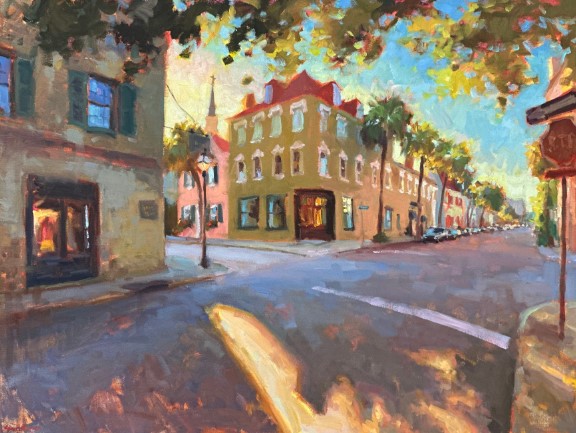
Thirty-nine galleries and museums now anchor downtown Charleston’s cultural landscape, stretching from the French Quarter down to Gallery Row on Broad Street—a density that Charleston Magazine reports has positioned the city among the nation’s premier destination art markets. The interactive guide to these venues reveals a walking route where institutions operating since 1989 sit shoulder-to-shoulder with galleries that opened as recently as 2017, creating a physical timeline of more than three decades of artistic practice.
This is not merely a tourist amenity. The Art Walk functions as civic infrastructure, with venues like the Charleston Artist Guild Gallery channeling sales into four community outreach programs and the web-based Charleston Artist Collective directing support to area nonprofits. For visitors and residents alike, the sheer number matters: thirty-nine distinct spaces mean encountering Hasselblad Award-winning photography, exclusively South Carolina crafts, and impressionist paintings within a few blocks of one another.
From 1989 to 2024: The Generational Spread
The gap between Charleston’s oldest and newest art institutions explains much about the city’s evolution. Charleston Crafts Gallery has operated as a juried cooperative since 1989, requiring all exhibiting artisans to be South Carolina residents, which makes it the only exclusively local craft gallery in the city, featuring woodworking, pottery, jewelry, fiber art, encaustic works, fused glass, and stained glass. Gordon Wheeler Gallery opened in 1990 and built its reputation on official prints for the 1991 Ryder Cup at the Ocean Course, with subsequent commissions for multiple Ryder Cups, PGA Championships, and World Cups. Against these decades-old anchors, Miller Gallery arrived in 2017 as a woman-owned contemporary space representing 90 percent female artists—including Miles Purvis Daniel, Kate Hooray Osmond, and Marina Dunbar—while Hagan Fine Art, founded in 2010 at 125 Church Street, transitioned ownership in 2024 while maintaining its roster of over 30 international artists.

This chronological spread reflects different philosophies about what a gallery should do. Some, like the Charleston Artist Guild, operate as a 501(c)(3) nonprofit with over 70 distinguished artists displaying work refreshed every four months, using proceeds to fund the Art of Alzheimer’s, the Extraordinary Arts Program, Pattison’s Academy, and the High School Seniors Art Exhibit. Others, such as the Charleston Artist Collective, function as web-based platforms aimed at making original art affordable for young collectors while still giving back to Charleston area nonprofits and organizations.
Gallery Row and the French Quarter: Geography of Taste
Location shapes the experience. On historic Broad Street’s Gallery Row, Dare Gallery features landscape, figurative, and still life paintings plus pottery and jewelry celebrating the colorful tapestry of southern coastal culture—crashing waves, lush marshes, and camellias—while Ella Walton Richardson Fine Art at 58 Broad Street has mounted monthly exhibitions since 2001, specializing in contemporary Russian and Dutch paintings and sculpture alongside traditional impressionist and contemporary abstract styles. Just off Queen Street, Corrigan Gallery—established in 2005 at 38 Queen Street—focuses on printmaking following the tradition of the Charleston Etchers Club and Print Studio South, alongside painting, sculpture, and assemblages by artists with strong ties to the area.
The French Quarter hosts equally distinct voices. Atrium Art Gallery at 61 Queen Street showcases contemporary, abstract, Lowcountry, and fine art photography by local, regional, and national artists. Meyer Vogl Gallery permanently features oil paintings by Laurie Meyer and Marissa Vogl alongside guest artists ranging from emerging to established contemporary masters. Jennifer McGrath Studio at the corner of Broad and Church offers abstract and figurative works spanning 20 years, where visitors may catch the artist working on her latest piece in her studio.
Mediums, Markets, and Missions
The Art Walk’s range extends across mediums as well as time. Dog & Horse Fine Art, established in 2001 by Jaynie Milligan Spector, exhibits 21st-century dog and horse portraits by top artists in the US and Europe, with occasional 19th and early 20th century paintings for collectors. DE LA Gallery at 36 N. Market Street displays the modern, minimalistic photography of Hasselblad Master Award (2018) winner Jorge De La Torriente, who captures landscapes, seascapes, and urban life worldwide. The Grand Bohemian Gallery within the Kessler Collection hotels hosts monthly exhibitions featuring internationally acclaimed artists like Stefano Cecchini and Jean Claude Roy, where patrons can meet artists during receptions.
For hands-on craft and portraiture, Horton Hayes Fine Art features locally and nationally recognized artists in landscape, still-life, and figurative pieces, with co-owners Cynthia Hayes, Nancy Cagan Horton, and Mark Kelvin Horton available to answer questions. Frederic Payet Gallery brings impressionist French painting inspired by Monet and Renoir, spanning over 35 years of the artist’s career. LePrince Fine Art on King Street focuses on contemporary artists known for distinct mark-making, offering a blend of impressionism to gestural abstraction.
Whether tapping a pin on the interactive map or browsing the featured galleries, the route offers something for every collector level—from the affordable original art at the Charleston Artist Collective to the curated selections at Hagan Fine Art, open Tuesday through Saturday. The Lowcountry Artists Gallery, the city’s oldest artist-owned fine art gallery, celebrates 33 years with 33 nationally and internationally recognized artists, aiming to build a bridge between the community and the gallery through diverse exhibitions and outreach programs.
What unites these 39 venues is not a single aesthetic but a shared commitment to making Charleston a place where art is accessible, whether through nonprofit outreach, affordable web-based platforms, or luxury hotel galleries open to the public. The walk from the French Quarter to Gallery Row is, in effect, a journey through 35 years of American art collecting culture, compressed into a few downtown blocks.
Worth a look
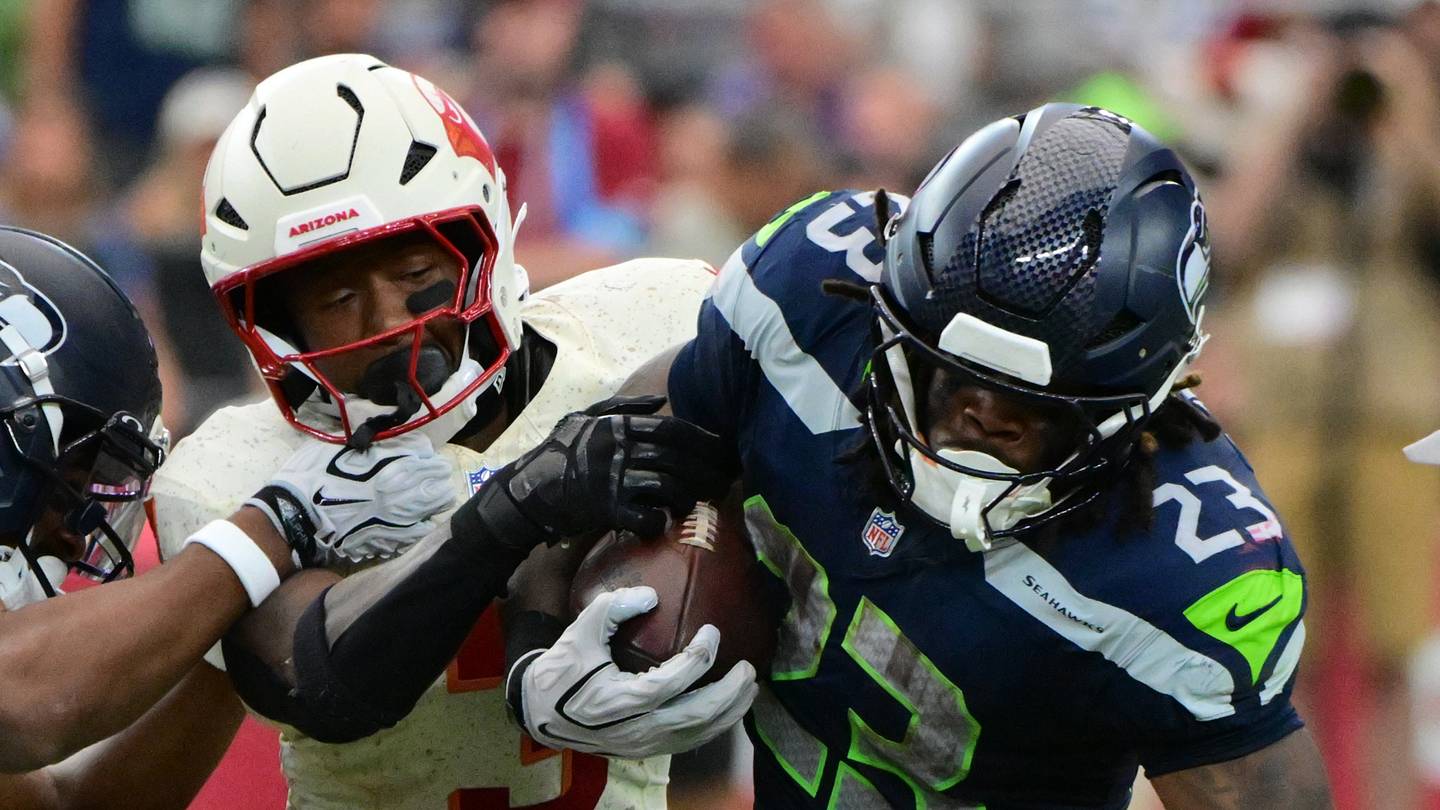
Sam Darnold ruled out for Seahawks vs. Cardinals Week 9 matchup
The Seattle Seahawks are facing a significant roster disruption ahead of their Sunday showdown at Lumen Field. Starting...

Gov. Kim Reynolds Congratulates Governor-Elect Rob Sand
Governor-elect Rob Sand Secures Victory in Iowa Gubernatorial Race Iowa’s politics are set to change as Democrat Rob...
Barbie exhibition at Virginia Museum of History and Culture explores icon’s evolution
A Cultural Icon Takes Center Stage in Richmond For generations, the image of Barbie has been fixed in...
Bryce Alan Zundel, 66, dies leaving a legacy of family and work
The life of Bryce Alan Zundel, a man whose presence was defined by both a rigorous work ethic...