Salmon Migration Timing Shifts in Auke Creek
The rhythmic return of Pacific salmon to their natal streams is one of the most reliable cycles in the Alaskan wilderness, yet that clock is ticking differently. According to a new annual report from the National Oceanic and Atmospheric Administration (NOAA), salmon born in Juneau’s Auke Creek are shifting the timing of their migrations, a trend that has been observed consistently over the last 46 years. This phenomenon, detailed in the newly released NOAA Fisheries report, suggests that the environmental cues fish rely on are undergoing a fundamental transformation.
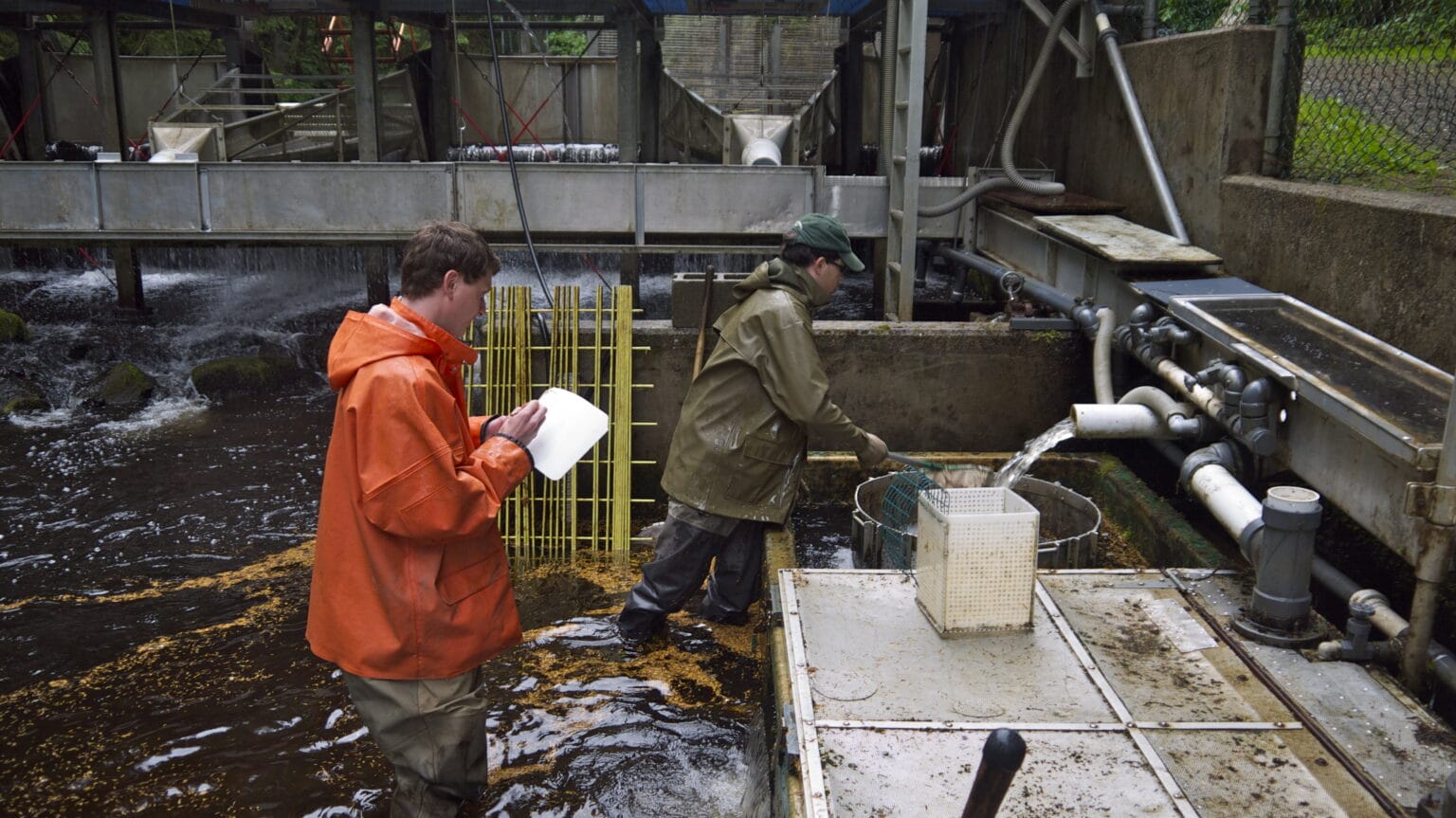
The Auke Creek Research Station, operated by NOAA Fisheries Auke Bay Laboratories, uses a weir—a shallow barrier placed across the stream—to track the movement of juvenile and adult fish. The data reveals that all Pacific salmon species passing through this weir are running earlier in the season than they did in decades past. This shift is not a sudden anomaly but a persistent trend that aligns with research published in 2013, which first identified climate change as a primary driver behind these changing migration patterns.
Rising Water Temperatures and Biological Cues
At the heart of this migration shift is a measurable increase in water temperature. The NOAA report notes that the average temperature of Auke Creek from 1980 to 2024 held steady at 7.5 degrees Celsius. By 2025, that average climbed to 8.3 C. For salmon, these temperature fluctuations serve as critical environmental signals that dictate when they head out to sea and when they return to spawn.

We all have the same interests and concerns for the future of fish, given how fast we’re seeing the environment change.
David Tallmon, a professor of biology at the University of Alaska Southeast who has worked at the weir for 16 years, sees these changes as a warning sign. The stakes involve more than just the fish; they involve the health of the entire ecosystem and the various species—including humans—that rely on these populations for sustenance and economic stability. While the number of salmon returning to Auke Creek has remained relatively stable, the timing shift creates a disconnect between the fish and the conditions they have historically evolved to meet.
Economic Implications for Alaska Fisheries
The ripple effects of these timing changes extend far beyond a single creek in Juneau. Curry Cunningham, a fisheries scientist at the University of Alaska Fairbanks’ Lena Point Fisheries Facility, points out that run timing shifts complicate the management of commercial salmon fisheries across the state. In regions like Bristol Bay, where commercial operations are a massive economic driver, early migration can lead to significant management errors.

If fish arrive earlier than expected, managers might misinterpret high early-season counts as evidence of a larger-than-normal run, when in reality, the total population remains the same. This misalignment can lead to over-harvesting or missed opportunities for the fishing industry. As Cunningham explains, the uncertainty introduced by these shifts forces a rethink of how conservation efforts and commercial fishing quotas are balanced against a rapidly warming environment.
The Resilience of the Salmon Run
Despite the anxiety surrounding these environmental shifts, the data from Auke Creek offers a specific point of clarity: the abundance of the salmon population has not yet suffered. The number of fish counted at the weir has stayed largely consistent even as the timing of their runs has moved up. This resilience suggests that, for now, the salmon are successfully adapting to the warmer waters of Southeast Alaska.
However, the long-term outlook remains a subject of intense scientific scrutiny. The transition from a 7.5 C average to 8.3 C over the course of a single year highlights the speed at which these environmental changes are occurring. As researchers continue to monitor the weir, the focus shifts to whether this early-run behavior will eventually reach a threshold where it impacts the reproductive success of the species or the viability of the industries that depend on them.
Keep reading
- Maryland football faces Purdue after 20-17 loss to Illinois
- Live After Five Concerts Set to Return Despite Proposed Budget Cuts
- Measles Kills 1 to 3 in 1,000 Children; New York's First Death in 30 Years (daybreakwire.com)
- UK House Prices Post Steepest Drop in Over Three Years as Mortgage Costs Bite (newsarchyuk.com)

Maryland football faces Purdue after 20-17 loss to Illinois
Maryland football travels to Purdue this Saturday for a 12:30 p.m. kickoff, marking a critical juncture for both...

Live After Five Concerts Set to Return Despite Proposed Budget Cuts
Live After Five, the long-running concert series that defines downtown Baton Rouge’s spring and fall calendar, is slated...

2027 Kia Sportage Hybrid EX Arrives at Midwest Kia in Wichita
New Kia Sportage Hybrid Availability in Wichita Midwest Kia has confirmed the arrival of the 2027 Kia Sportage...

Global List of States, Provinces, and Countries
Two people injured in a shooting at a post office are expected to make a full recovery, according...