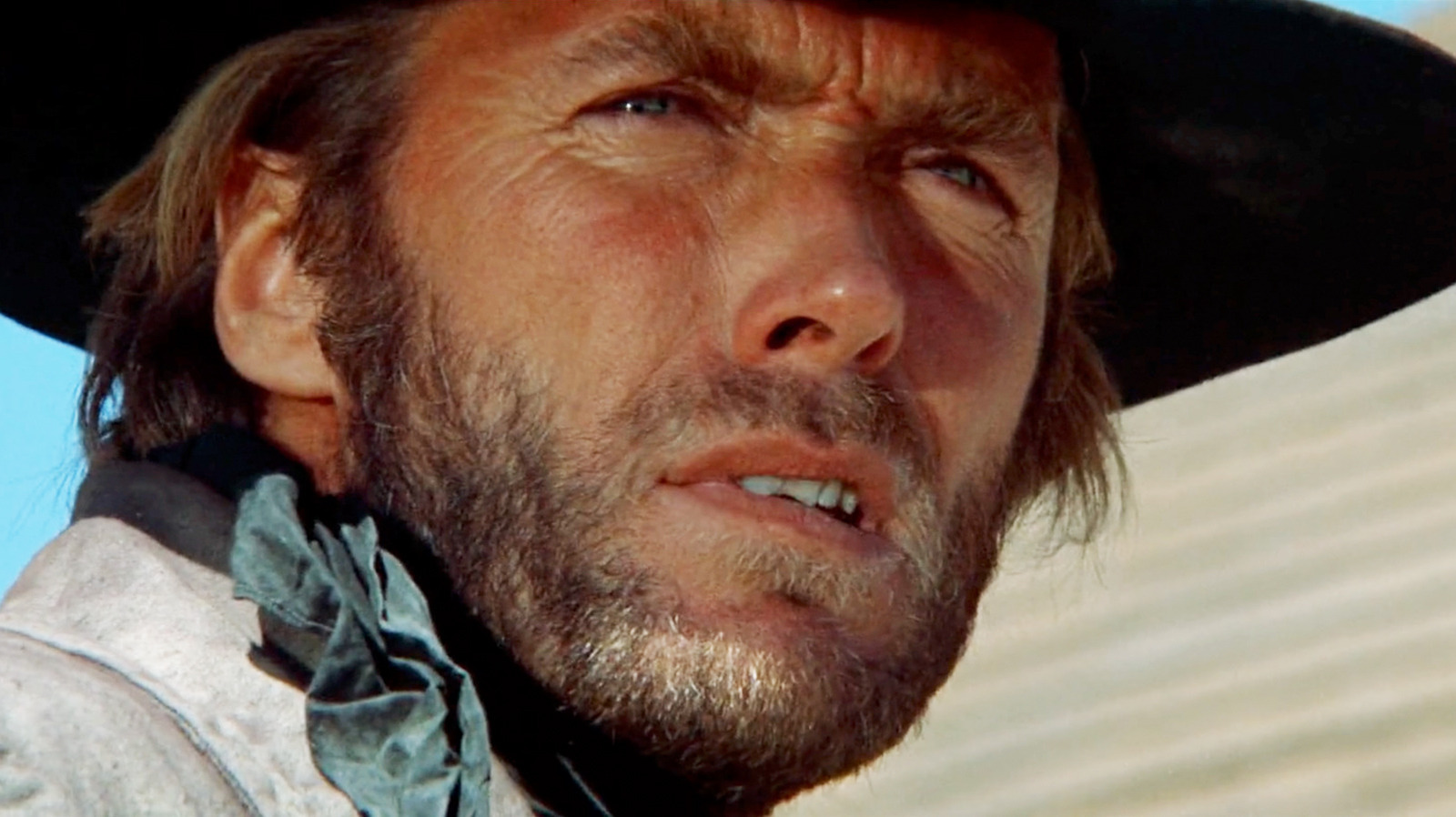
The Power of the Single Location in Western Cinema
Limiting a film’s scope to a single setting can distill the art of storytelling down to its most essential elements: character and tension. While Western movies are traditionally celebrated for their sweeping, expansive landscapes, some of the most impactful entries in the genre trade the wide-open frontier for the claustrophobia of a single town, a cabin, or even a single room, SlashFilm reported.
This narrative constraint forces a confrontation between lawlessness and civilization within a microcosm. By stripping away the ability to escape into the horizon, filmmakers use these confined spaces to heighten the psychological stakes for their characters. Whether it is a blizzard-stricken Wyoming stopover or a dusty New Mexico town, the setting becomes as much a character as the people inhabiting it.
Clint Eastwood and the Revisionist Frontier
Clint Eastwood has frequently utilized limited settings to redefine the Western archetype. In his 1973 film High Plains Drifter, the scope is intentionally modest, focusing almost entirely on the town of Lago. Rather than a traditional hero, Eastwood portrays a mysterious stranger who acts as a manifestation of otherworldly retribution, arriving to make the townspeople pay for their sins. The film uses the physical environment to reflect moral decay, most notably through the striking visual of Eastwood’s order to paint every building in Lago red to represent the town’s shame.
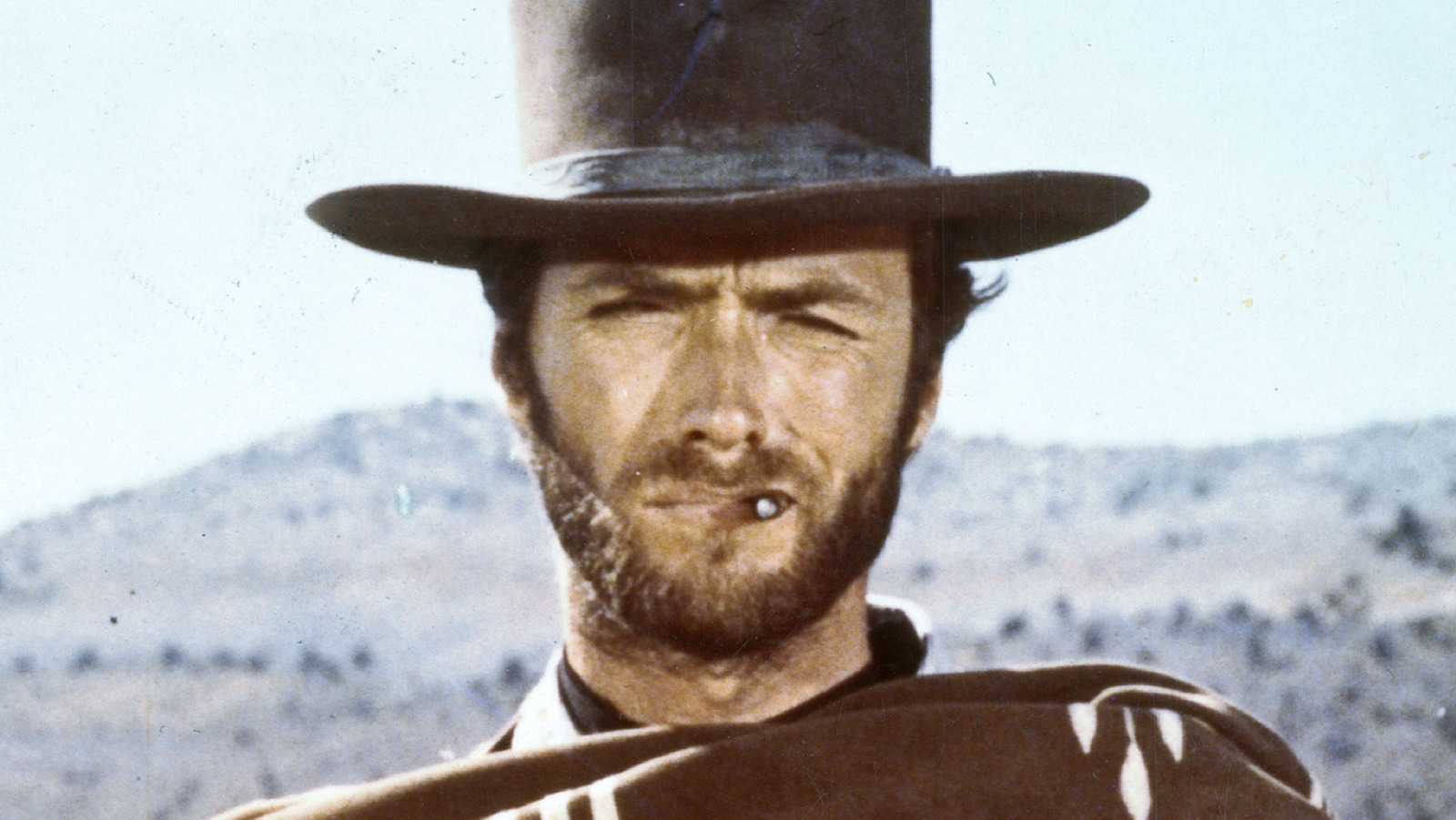

This approach helped define the revisionist ethos of the 1970s, a movement that intentionally subverted the genre’s established tropes. By focusing on a morally compromised town rather than grand vistas, Eastwood proved that a powerful Western could be produced without varied landscapes.
Quentin Tarantino took this concept of confinement to its extreme with The Hateful Eight. Unlike the expansive 2012 film Django Unchained, this story takes place almost entirely within Minnie’s Haberdashery, a small stagecoach stopover in Wyoming. The setting serves as a pressure cooker for eight strangers sheltering from a blizzard. The cast, which includes Samuel L. Jackson, Kurt Russell, and Tim Roth, portrays a group of individuals whose proximity leads to inevitable violence. The film’s ability to maintain tension within a single room earned it three Academy Award nominations, including Best Original Score for Ennio Morricone.
The End of an Era in the Old West
Some of the most significant Westerns use a single location to serve as a requiem for a dying way of life. John Ford’s The Man Who Shot Liberty Valance utilizes the town of Shinbone to represent the transition from a lawless frontier to a civilized society. Though much of the film was shot on Paramount sound stages, the sense of confinement underscores the human drama and the feeling of a frontier age coming to a close. The film highlights the tension between the rugged reality of outlaws and the constructed lies required to build a civilized society.

Similarly, High Noon uses the town of Hadleyville, New Mexico, to explore themes of apathy and social responsibility. As Marshal Will Kane prepares to face a returning nemesis, the town functions as a microcosm of a democracy that has “gone soft.” The tension arises not from a grand battle across the plains, but from Kane’s realization that he must face his enemies alone because the community refuses to stand up for what is right.
The transition of the genre is perhaps most poignantly captured in The Shootist. Released in 1976, the film served as a final farewell to John Wayne, both literally and figuratively. The story follows an aging, terminally ill gunfighter, J.B. Books, as he spends his final days in Carson City, Nevada. The confinement of Carson City mirrors the fading of the traditional Western era, as the protagonist and the Old West itself begin to disappear.
| Film Title | Primary Setting | Key Theme |
|---|---|---|
| High Plains Drifter | Lago | Divine retribution and communal shame |
| The Hateful Eight | Minnie’s Haberdashery | Violence and distrust in isolation |
| The Man Who Shot Liberty Valance | Shinbone | The cost of civilization and truth |
| High Noon | Hadleyville | Social apathy and individual courage |
| The Shootist | Carson City | The end of an era and mortality |
These films demonstrate that the strength of a Western does not always rely on the vastness of the American landscape, but often on the intensity of the human conflicts that occur when there is nowhere left to run.
Obituary: Duane Dewey Lien, 82, Sioux Falls, South Dakota
Duane “Dewey” LeRoy Lien passes away in Sioux Falls at age 82 The Sioux Falls community and the...

Columbia River Anglers Catch Four Coho in Bonneville Section
Coho salmon activity remains low near Bonneville Twelve bank anglers kept four coho salmon and released one coho...

James Hagens Sidelined for Weeks as Bruins Recall Mikey Eyssimont
James Hagens sidelined by injury as Bruins turn to Mikey Eyssimont James Hagens will miss several weeks of...

WOU Cross Country Secures Historic Top Three GNAC Finishes
Western Oregon Men and Women Secure Historic Podium Finishes at GNAC Championships The Western Oregon University cross country...