
“I can’t be bought at all,” Nancy Meehan, 97, said Monday.
“All my life I tried to be truthful and honest, and I’m not going to change that policy now.”
Meehan rejected a $90,000 settlement offer from Wingate Senior Living this month that would have required her to sign a nondisparagement agreement silencing her and her family about her care at the company’s Providence facility, The Boston Globe reported. Her daughter, Mary Beth Meehan, had placed a camera in her mother’s room for eight days in 2025 under a new Rhode Island law, recording about 130 videos that showed Nancy Meehan performing daily tasks alone — contradicting Wingate care logs that documented aides providing that assistance.
The lawsuit, filed this fall in Rhode Island, alleges fraud and negligence. “The footage shows [Nancy Meehan] performing numerous daily tasks alone and unattended,” the complaint says. “In sum, there are scores of care log entries made by [Wingate] that purportedly document care provided to Plaintiff that are simply false, inaccurate, and not shown by the contemporaneous surveillance footage of Plaintiff.” Wingate’s attorney, former U.S. Attorney Zachary Cunha, filed for an extension to respond and said Monday, “We don’t comment on pending litigation.” Before the suit, Wingate COO Chris Stack said internal, state and independent investigations found “no wrongdoing.”
Rhode Island’s law, effective January 2025, is one of about 20 state “granny cam” statutes. Connecticut’s took effect July 1, 2021, and expanded to assisted living in 2026. Mairead Painter, Connecticut’s long-term-care ombudsman, said about 10 percent of cases her agency reviews now include video or photos from room cameras. In one case, video led to the conviction of an aide who assaulted an 87-year-old dementia patient who later died; the family has filed a wrongful-death suit. “I’m surprised that some people are so bold,” Painter said. “They will look at the camera and say, ‘I know this is being recorded,’ and then be aggressive.” Cameras have also documented forced feeding and extreme wait times tied to low staffing, she said.
Massachusetts has no such law. The state’s two-party consent wiretap statute has blocked legislation, said Jennifer Benson, AARP Massachusetts state director. “Lawmakers have come up with questions about roommate consent, different rules for audio versus video recording, how can resident privacy be preserved, what protections are needed for retaliation, and who bears the cost of installation,” she said. Rhode Island and Connecticut have addressed those issues, Benson said, and could serve as models.
Industry groups opposed Rhode Island’s bill for years, calling cameras “intrusive, expensive, and unnecessary” and urging focus on staffing and oversight instead. SEIU 1199NE backed the measure. The final law requires resident consent from roommates and facility notification. Since enactment, the Rhode Island Department of Health has issued one nursing home citation and two assisted living citations for camera-related violations, plus one senior-living residence cited in September for consent-documentation failures, spokesperson Joseph Wendelken said. Lori Light, the state ombudsman, said there have been no privacy or HIPAA complaints. “We only hear about how it’s helped,” Light said. “This is for families where their person is not alert and oriented, and they have concerns, or they live out of state.”
Mag Morelli, president of LeadingAge Connecticut & Rhode Island, said her group’s initial privacy concerns were resolved by the statutes’ safeguards. “We have not run into concerns with the law,” Morelli said. “Everybody needs to be upfront when it’s installed, the facility is not to tamper with it, except by agreement when the resident is receiving personal care, and the staff knows when monitoring is going on.”
Kathleen Gerard, director of Advocates for Better Care in Rhode Island, pushed for the law after her husband, John Holloman, died of COVID in January 2022. She placed a camera in his Wingate memory-care room in 2021. “The staff would turn it to face the wall, or click the shutter so I couldn’t see, or unplug it,” Gerard said. She heard aides berating him and moved him out after an ER visit. Wingate refunded her deposit but the state took no action, she said. Wingate did not respond Monday to a request for comment on Gerard’s account.
In Massachusetts, Justine Olander installed a Ring camera in her mother’s Greater Boston assisted-living room with reluctant staff agreement. The video showed inconsistent care and contributed to her decision to move her 92-year-old mother to a private memory-care facility in New Hampshire this fall. “The video filled in the gaps of communication,” Olander said.
Nancy Meehan agreed to the camera to prove she cared for herself independently. Though it captured vulnerable moments, she said, “I hope this helps somebody, because it is the truth. It’s embarrassing to publicize my problem, but ultimately, it’s for the good.”
Worth a look
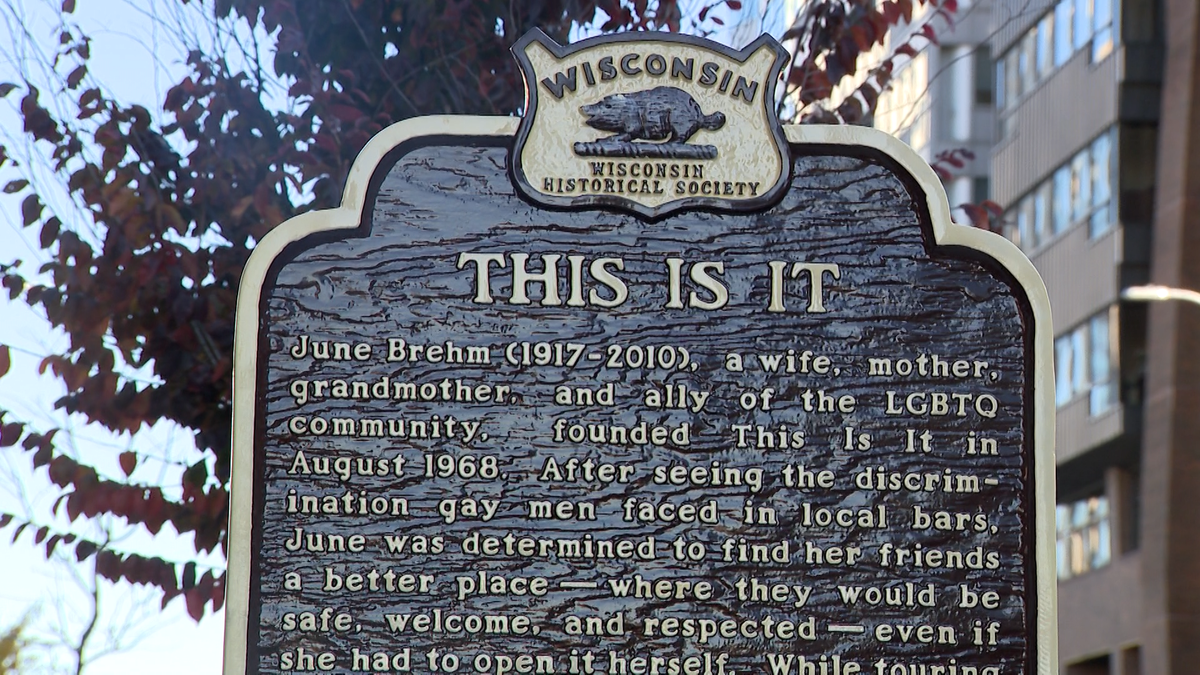
Historic Marker Unveiled for Wisconsin’s Longest-Running LGBTQ+ Bar and Founder June Brehm
A state historic marker was unveiled Thursday at 418 E. Wells St., where Wisconsin’s longest-running LGBTQ+ bar served...

Signs of Danger at Iowa Plant Emerged Months Before Army Says It Knew, Emails Show
Contractors at the Iowa Army Ammunition Plant in Middletown sought to chemically neutralize 68 drums of degrading lead...

Colorado Supreme Court Vacates Dismissal, Reinstates Crabtree Appeal
The Colorado Supreme Court vacated an appellate order that had dismissed Charles James Crabtree's appeal of a postconviction...

KOCO: OKC Airport 4-8 a.m. Peak, 30-Min Lines for Thanksgiving
Oklahoma City travelers face the heaviest airport crowds between 4 a.m. and 8 a.m. through Thanksgiving week, with...