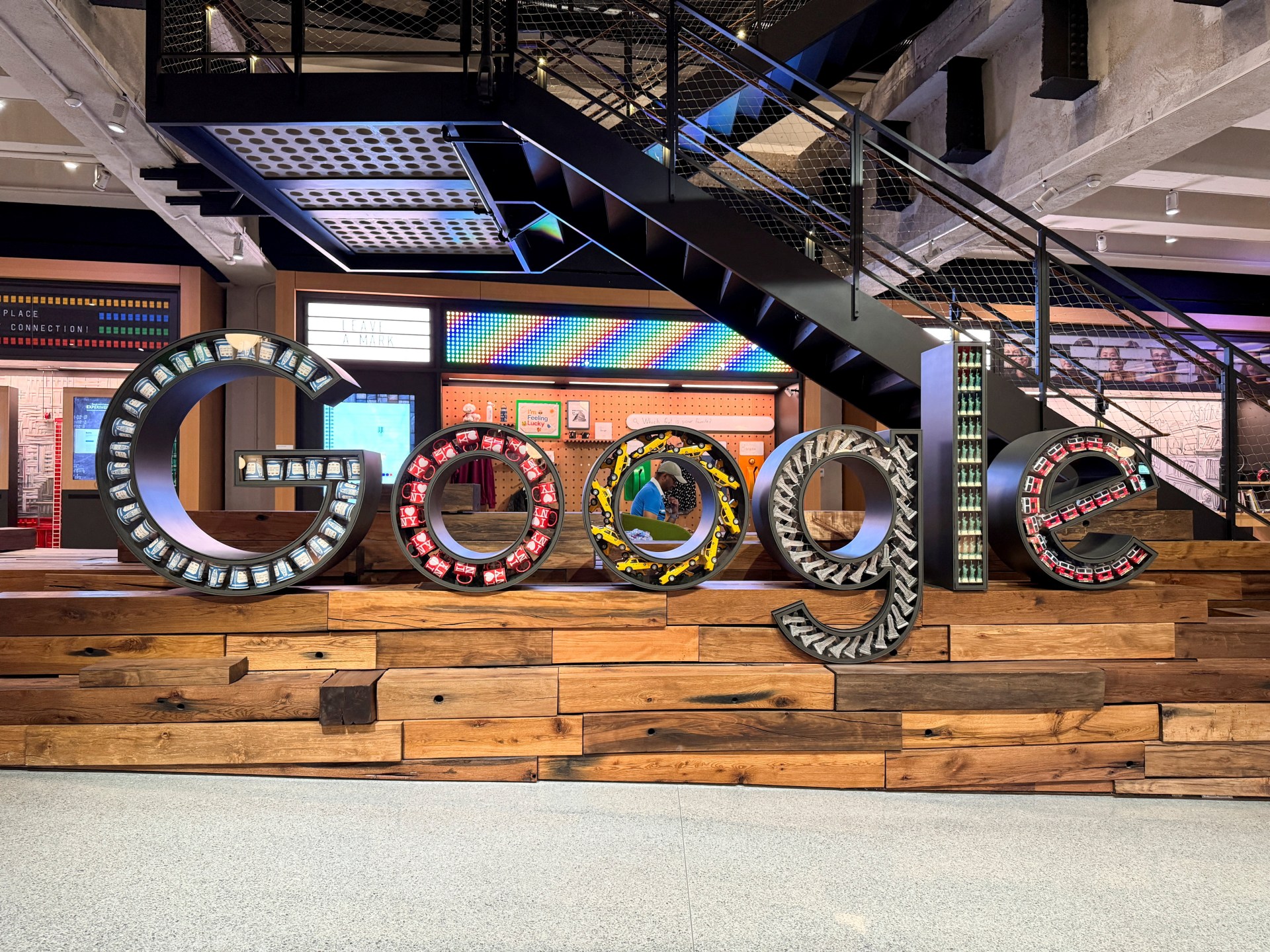
President Donald Trump has threatened the European Union with substantial tariffs and a formal trade investigation after Brussels hit Google with a $1 billion antitrust fine. The escalating dispute on Friday reignited transatlantic trade tensions following an EU crackdown under the bloc’s Digital Markets Act.
United States President Donald Trump lashed out at the European Union on Friday, warning that the 27-member bloc will pay a very big price
following a massive antitrust penalty levied against American tech giant Alphabet’s Google. The escalating trade friction arrives on the heels of new regulatory enforcement from Brussels and threatens to unravel fragile transatlantic trade understandings.
The Antitrust Penalty and Digital Markets Act Violations
The European Commission announced that it fined Google a total of 890 million euros, roughly equivalent to $1 billion, for breaching the Digital Markets Act. Regulators split the enforcement action into two separate decisions targeting core platform practices.
Brussels issued a 460-million-euro penalty after determining that Google gave preferential placement to its own shopping, hotel, transport, and sports services within search results. A second 430-million-euro fine addressed restrictions within the Google Play Store that prevented app developers from steering users toward cheaper purchasing options outside the company’s marketplace.
Teresa Ribera, the commission’s executive vice president overseeing competition policy, defended the measures as a “decisive yet balanced” action designed to ensure products succeed on merit. Meanwhile, EU tech chief Henna Virkkunen told journalists that Europe remains resolute in enforcing its digital rulebook, stating, We are very committed to our rules.
“The EU has fined Google repeatedly since 2017, including a $4.5bn penalty over its Android operating system, upheld on appeal this month, and a $3.4bn fine last year targeting its advertising business.”
Aljazeera
Google pushed back against the ruling, with company spokesperson Jose Castaneda said that the firm had worked hard to comply with regulatory demands. Executive Kent Walker characterized the enforcement as product degradation
driven by a small number of complainants.
Washington Reacts With Section 301 Investigation Threats
President Trump responded swiftly on social media, accusing Brussels of “ROBBING” American Companies and declaring that the United States is not a “PIGGYBANK” for Europe. He announced plans to immediately initiate a 301 Investigation under Section 301 of the Trade Act of 1974.

“The penalties will be entirely reversed and, we anticipate, a substantial TARIFF to be placed on them at the earliest possible moment.”
Donald Trump, U.S. President
The Section 301 framework permits Washington to investigate foreign commercial practices deemed discriminatory and retaliate with import levies. Jamieson Greer, the U.S. trade representative, warned that the European penalties pose a “real risk” to transatlantic trade stability and threaten a trade agreement struck in Turnberry, Scotland, which had capped tariffs on European goods.
Broader Tariff Escalations and Legal Challenges
The Google fine controversy coincides with a broader expansion of U.S. import duties. Just a day prior, the White House imposed sweeping new tariffs of 10 percent to 12.5 percent targeting dozens of trading partners, including members of the European Union, citing forced labor concerns.
Legal pushback followed immediately. A lawsuit filed in the U.S. Court of International Trade by the Liberty Justice Center on behalf of two small businesses argues that the administration is improperly utilizing Section 301 to bypass a February Supreme Court ruling that struck down previous import levies.
With trade investigations underway and additional duties anticipated by the White House, the enforcement actions against Google have set the stage for sustained economic confrontation between Washington and Brussels.
Related reading
- Venus and Crescent Moon to Align in September 2026 Sky
- Worker Dies After Being Struck by Compressed Air Hose at Jurong Port Road
- Security Flaw in Georgia Voting Equipment Threatens Ballot Secrecy (world-today-news.com)
- Trump calls on Ukraine to halt strikes on diesel, saying attacks are causing a shortage (newsarchyuk.com)

Venus and Crescent Moon to Align in September 2026 Sky
Stargazers caught a striking view on the evening of September 13, 2026, when Venus shone brightly beside a...
Worker Dies After Being Struck by Compressed Air Hose at Jurong Port Road
A 35-year-old worker died at a Jurong Port Road construction site on September 11, 2026, after being struck...

Singapore Police Investigate Three Traffic Officers Over Unsafe Riding Footage
The clip, which surfaced online, shows the outriders cutting across lanes and forcing sudden braking near the Traffic...
Justice Department Deports Legal Resident to Afghanistan in First ATRC Case
The Justice Department deported a 47-year-old legal U.S.