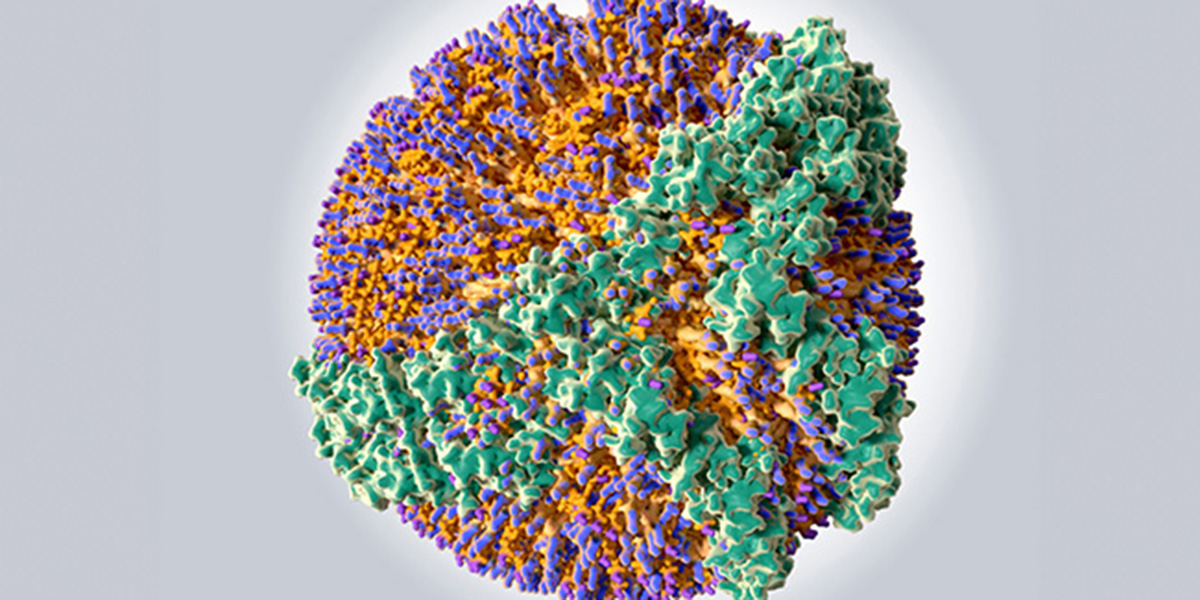
Recent scientific investigations are shedding light on how high-density lipoprotein (HDL) particle changes relate to early cognitive decline, offering fresh insights into brain health beyond standard cholesterol measurements. Best known as good cholesterol,
HDL performs functions that extend beyond shuttling fats through the bloodstream, as reported by Asbmb. HDL also carries oxylipins, which are fatty acid-derived signaling molecules that regulate inflammation and support healthy blood flow within the brain.
HDL Particle Changes and Oxylipins in Early Cognitive Decline
In a study published in the Journal of Lipid Research, Julia C. Kelliher and colleagues at Pennsylvania State University and Albert Einstein College of Medicine evaluated whether the oxylipin cargo inside HDL differs in individuals experiencing early cognitive decline. The researchers analyzed blood samples taken from adults older than 70, comparing participants with and without mild cognitive impairment (MCI).
The investigation revealed that mild cognitive impairment was associated with a depletion of protective omega-3-derived oxylipins in HDL, occurring independently of overall HDL cholesterol levels. Specifically, people with MCI exhibited significantly lower levels of these specific omega-3-derived oxylipins in their HDL.
Demographic Differences and Limitations of Standard Lipid Tests
The reductions observed in beneficial oxylipins were not uniform across all participants in the study. According to the findings published by Asbmb, the decrease in protective oxylipins was most evident among men and Hispanic individuals—demographic groups already known to carry a higher risk of developing dementia.

Importantly, overall HDL cholesterol levels did not differ between the study groups. This discrepancy demonstrates that standard lipid tests may fail to capture meaningful changes in HDL function. Instead of a simple shift in cholesterol levels, early cognitive decline may be directly linked to a loss of protective lipid signals.
Broader Context of Metabolic Markers and Dementia Progression
Expanding upon the relationship between metabolic markers and neurological health, separate investigations have examined biomarkers of metabolic syndrome in relation to mild cognitive impairment and Alzheimer’s disease dementia. A team of investigators at the Cleveland Clinic published a study in Alzheimer’s Research & Therapy evaluating the association of metabolic syndrome biomarkers with longitudinal functional and cognitive decline, as detailed by Clevelandclinic.
Jagan Pillai, MD, PhD, a staff neurologist with the Cleveland Clinic Lou Ruvo Center for Brain Health in Cleveland and lead and corresponding author of the study, noted that clarifying the role of these biomarkers may help guide timely lifestyle changes and pharmacotherapy. The Cleveland Clinic study cohort comprised 156 participants from the national Alzheimer’s Disease Neuroimaging Initiative research database, consisting of 106 individuals with MCI and 50 with Alzheimer’s disease dementia. Among them, 63% were women, and the mean age was 74.9 years.
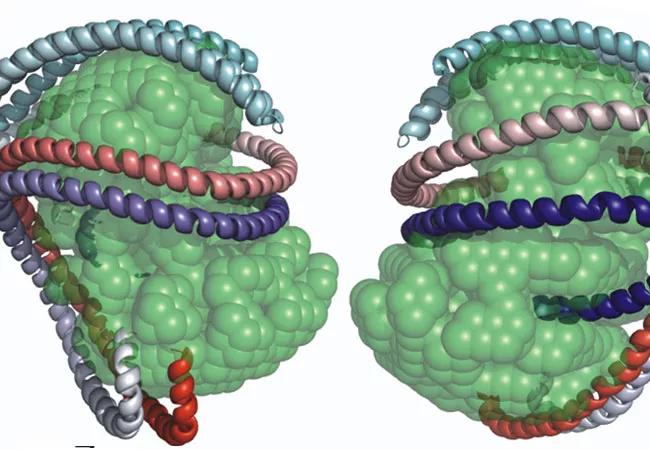
Researchers observed that while cerebrospinal fluid (CSF) apolipoprotein A1 (ApoA1)—the key functional component of HDL—appeared protective in staving off cognitive decline, plasma ApoA1 showed the opposite effect. Furthermore, CSF and plasma ApoA1 demonstrated opposite directional correlations with CSF biomarkers associated with blood-brain barrier integrity and inflammation.
Future Directions for Detecting and Treating Cognitive Impairment
The discovery that HDL particle changes and specific oxylipin depletion correlate with early cognitive decline opens new avenues for detection and treatment. Future strategies, as outlined by Asbmb, could focus on restoring beneficial oxylipins through targeted therapies, supplementation, or dietary modifications designed to improve HDL function.
Similarly, the Cleveland Clinic team emphasizes that reducing risk factors associated with metabolic syndrome may have broader implications for mitigating the onset of dementia beyond improvements in diabetes and cardiovascular disease. Ongoing research aims to further define ApoA1 changes in patients with type 2 diabetes and preclinical Alzheimer’s disease to better determine optimal clinical management strategies.
Worth a look

Chronic Stress And Inflammation Cause Silent Structural Heart Damage
A major UK study of nearly 480,000 adults reveals that chronic stress and long-term inflammation cause silent, lasting...

Max Planck Institute Unveils New Tools to Identify Pathogenic Variants
Researchers at the Max Planck Institute for Molecular Genetics have unveiled new bioinformatics tools called Dicast and TandemTwister...
Stanford Researchers Transplant Human Brain Organoids Into Mice
Stanford Medicine researchers have successfully transplanted lab-grown human cortical organoids into bioengineered mice missing most of their cerebral...

Daily Orange Juice May Alter Genes Linked to Inflammation and Blood Pressure
Drinking 500ml of pure pasteurized orange juice daily for two months changes the activity of thousands of genes...