Women in the Global South, particularly within Small Island Developing States and Indigenous territories, bear disproportionate climate risks while leading innovative solutions. Panels focusing on equity, youth empowerment, and sustainable development highlight that transforming systems requires elevating women’s leadership across governments, businesses, and communities.
Climate change continues to intensify social and economic inequities around the world. Women living in Small Island Developing States (SIDS), rural communities, and Indigenous territories face a disproportionate share of climate-related risks, according to the source articles. Despite this heavy burden, these same women design and lead some of the most innovative and community-rooted solutions available, ranging from youth empowerment programs to regenerative agriculture initiatives.
Systemic Under-Representation in Climate Arenas
Even with a growing recognition of their contributions, women’s leadership remains under-resourced and under-represented in major policy, finance, and decision-making arenas, as stated in the source articles. Panels examining these dynamics propose that cultivating equity is inseparable from cultivating effective climate solutions. Addressing the global crisis demands more than symbolic inclusion; it requires women in senior positions across governments, businesses, industries, and communities who are prepared to lead boldly and equitably.
To truly transform existing systems, stakeholders must challenge narrow perceptions of women’s leadership. The source articles note that women in power must be supported, resourced, and empowered to advocate for themselves and others, cementing their roles as powerful agents capable of driving innovative and inclusive climate solutions.
Renee Atwell and Girls of Impact in Trinidad and Tobago
Among the highlighted leaders is Renee Atwell, an Attorney-at-Law, Youth Advocate, and Founder of Girls of Impact. Her non-profit organization is dedicated to empowering young women in Trinidad and Tobago through mentorship, leadership development, and community engagement.
Atwell’s professional work focuses heavily on advancing equity, access to justice, and sustainable development.
Dr. Theresa Rodriguez-Moodie and the Jamaica Environment Trust
In Jamaica, Dr. Theresa Rodriguez-Moodie serves as the Chief Executive Officer (CEO) of the Jamaica Environment Trust (JET). She is an environmental scientist and advocate with over a decade of experience dedicated to safeguarding the nation’s natural heritage.
JET operates as a not-for-profit environmental NGO whose core mission is to protect Jamaica’s natural resources. The organization achieves this through law and advocacy, conservation initiatives, and comprehensive environmental education programs.
Jacintha Realine on Wapichan Land and Resource Management
Representing Indigenous perspectives, Jacintha Realine serves as the Wapichan Women’s Representative. She hails from Aishalton village within the Wapichan Territory of the South Rupununi in Guyana.
Realine has worked alongside the South Rupununi District Council (SRDC) as its Cultural Heritage Coordinator, where her responsibilities included interviewing elders to document Wapichan culture. Furthermore, she was part of a core set of youths who lobbied the SRDC to organize the historic first-ever Wapichan Youth Conference, with her ongoing work focusing directly on Indigenous women’s empowerment as well as land and resource management.
Steffy Heera and the Renewable Energy Transition in the Caribbean
Bridging energy production and human capacity, Steffy Heera acts as the Chief Customer Officer at Renewable Power Caribbean Limited. She brings over 18 years of cross-disciplinary expertise to her role.
Heera provides deep insights into the complex intersection of land use, food security, and energy production.
The broader discussions are moderated by Marion Atieno Osieyo, a storyteller, advisor, and founder and host of Black Earth—an award-winning podcast and community exploring how black women restore ecosystems and communities. As these distinct regional leaders advance their respective initiatives, what structural mechanisms will ultimately secure long-term resources and policy influence for women’s leadership across international climate frameworks?
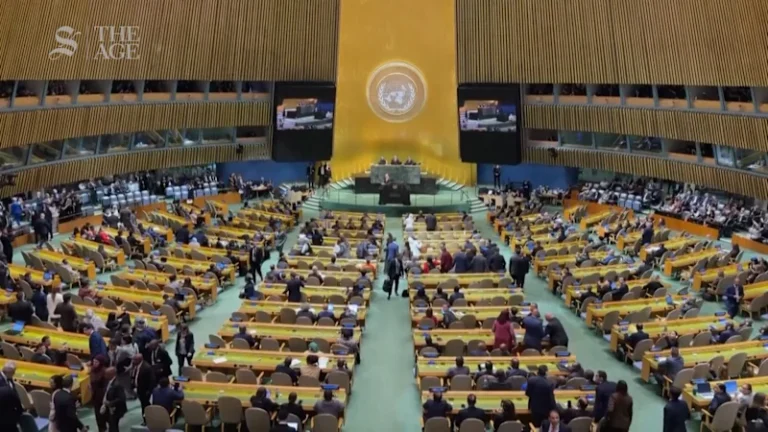
Diplomats Walk Out as Benjamin Netanyahu Addresses UN General Assembly
More than 100 diplomats streamed out of the United Nations General Assembly hall on September 24, 2026, leaving...
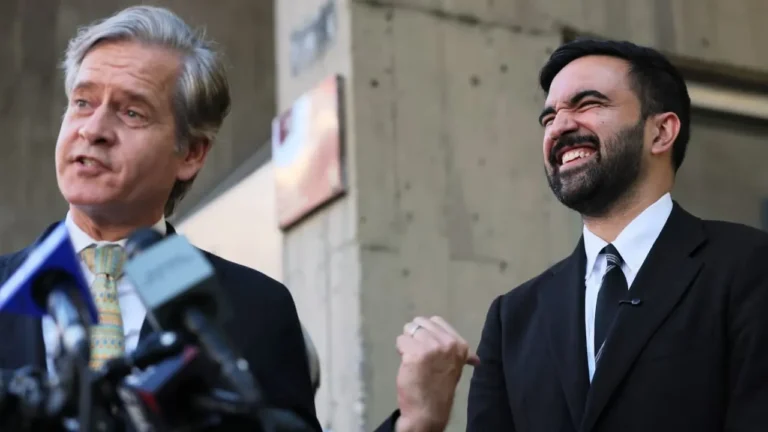
Netanyahu Attacks Mayor Zohran Mamdani During UN General Assembly Address
Israeli Prime Minister Benjamin Netanyahu launched a sharp attack on New York City Mayor Zohran Mamdani during his...
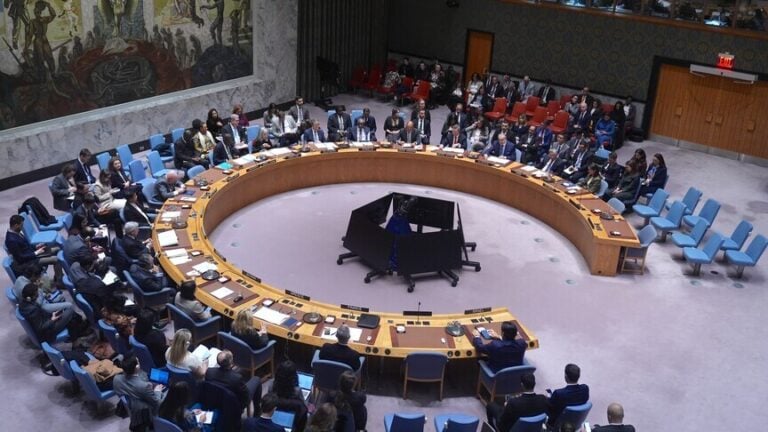
African Leaders Demand Permanent UN Security Council Seats With Veto Power
Nigeria’s Vice President Kashim Shettima joined other African leaders at the 81st United Nations General Assembly in New...

Western European Societies Unwilling to Fight Russia Directly
As military tensions rise, Eastern European governments face an increasingly stark contradiction as they manage security guarantees, the...