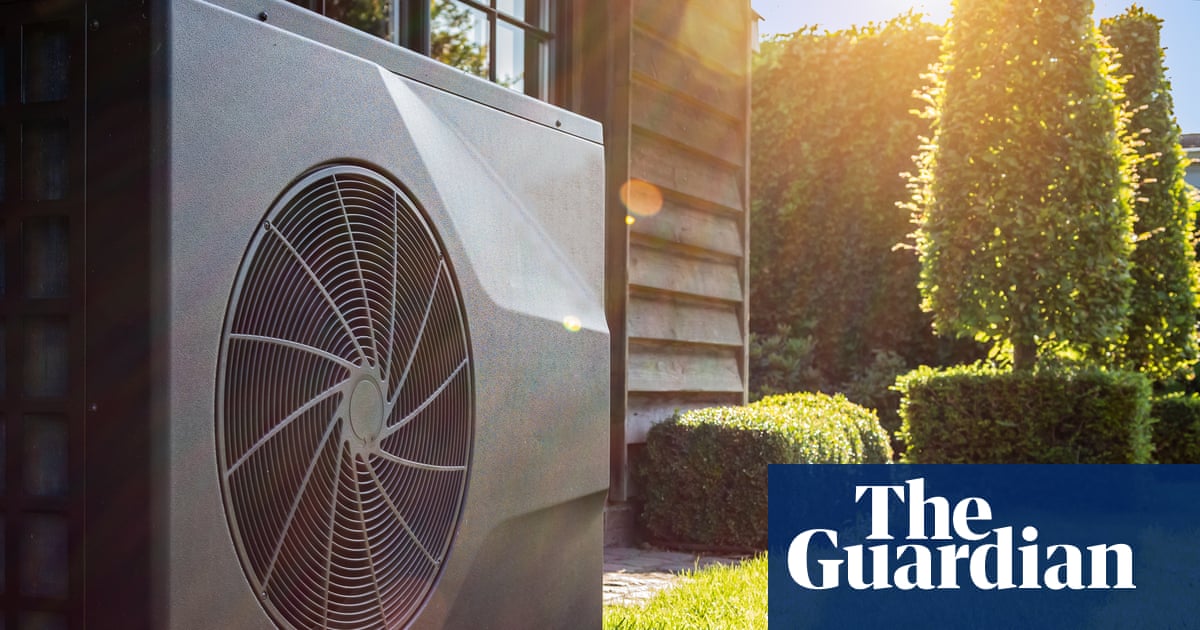
As summer temperatures soar and heatwaves stress residential buildings, a growing number of homeowners are discovering that air-source heat pumps can cool living spaces just as effectively as they heat them, shifting the conversation around renewable energy technologies.
For years, homeowners viewing heat-pump technology through a strictly seasonal lens understood the units simply as low-carbon replacements for gas boilers. But a run of severe summer heatwaves is changing that perception. Sustainability experts report a dramatic surge in interest from property owners asking a very specific question about their heating installations: can it cool too?
according to Simon Bones, founder of Genous.
How Heat Pumps Reverse Roles During Heatwaves
Operating on the same thermodynamic principle as standard air conditioning, a heat pump transfers thermal energy from one location to another rather than burning fuel to generate warmth. When configured correctly for the summer months, the cycle reverses. Instead of extracting heat from the outdoors to warm interior radiators, the system extracts heat from inside the home and discharges it outside.
Real-world results in residential settings demonstrate the cooling capacity of these systems. In Maidenhead, Berkshire, Andrew and Sue Ingram rely on an air-to-water heat pump paired with a fan coil unit—an appliance that blows air over chilled pipes—to regulate their living room temperature. If it is 35C outdoors, I can get the temperature down to 21C,
Andrew Ingram noted in reporting published by The Guardian.
“On the nights I’ve slept in there, you have to put your thick pyjamas on.”
Andrew Ingram, homeowner
While air-to-water systems dominate the UK market—accounting for roughly 323,000 of the nation’s 358,000 installed heat pumps according to data from the Microgeneration Certification Scheme—government funding structures are shifting. Officials are introducing £2,500 grants specifically for air conditioning units that can heat and cool, which use wall-mounted fans and typically cost around £4,500 to install in smaller properties.
Laboratory Testing and the Risk of Heat-Trap Homes
The push toward active cooling technologies comes against the backdrop of alarming projections for the housing stock. A report from the Climate Change Committee warns that hotter heatwaves could cause 92% of existing homes to overheat by 2050, rendering passive measures like opening windows and drawing curtains insufficient.
To test how modern buildings handle these extremes, researchers utilized Energy House 2.0, a £16m climate-controlled research facility at the University of Salford. Scientists constructed two modern houses inside the weather simulation chamber to study performance under harsh conditions. When ambient laboratory temperatures reached 32C, pairing a heat pump with fan coils kept interior rooms comfortable between 19C and 24.9C. Running the system around the clock cost between £2.50 and £3 a day.
Yet cooling through chilled water pipes carries distinct physical challenges. Pumping cold water through a property on a hot day creates condensation dynamics comparable to a cold glass of beer on a warm afternoon. Homeowners must manage moisture accumulation carefully by wrapping pipes in trunking or routing them exteriorly, as the Ingrams chose to do.
Integrating Renewables and Managing Energy Costs
Active cooling demands significant electrical power, making energy management a critical component of any retrofitting strategy. Sustainability experts emphasize that pairing cooling systems with solar panels and home battery storage provides both financial relief and lower carbon emissions.
Generating electricity from solar panels, storing it and then reusing it from home batteries to heat your home from a heat pump
creates greater consumer control, noted Simon Bones in an analysis by The Independent. Because solar generation peaks during sunny, hot weather, production aligns directly with active cooling demand.
Financial support frameworks across the UK continue to evolve to assist homeowners upgrading their energy systems. The UK government’s Boiler Upgrade Scheme provides grants of £7,500 for air-to-water or ground-to-water installations in England and Wales, with off-gas-grid properties qualifying for an additional £1,500, bringing total support to £9,000. Meanwhile, property owners in Scotland can access separate interest-free loans and grants for energy efficiency improvements.
Passive Improvements and Long-Term Efficiency
Beyond active mechanical cooling, experts recommend a holistic approach that includes traditional building envelope improvements. Poor loft insulation not only traps heat during winter but allows high summer attic temperatures to radiate downward through ceilings.
Upgrading window glazing also limits solar gain, though at a higher financial cost. While triple glazing provides superior thermal performance in both winter and summer, standard double-glazing likewise reduces the amount of direct solar energy entering a residence compared to single panes. When combined with renewable generation and reversible heat pump technology, these measures offer a comprehensive defense against rising summer temperatures.

Alison Mau Reflects On Early Career Harassment And Launches Tika
Journalist Alison Mau reflects on a career spanning major media milestones, including an incident of workplace harassment at...
Banco BPM Shares Rise on UniCredit and Credit Agricole Breakup Talks
UniCredit and Credit Agricole have discussed a potential joint breakup of Banco BPM, sparking a rise in bank...
High Street Savers Lose Over £300 a Year on £10,000 Deposits
Britons holding £10,000 in major high street banks are earning as little as £116 a year in interest,...