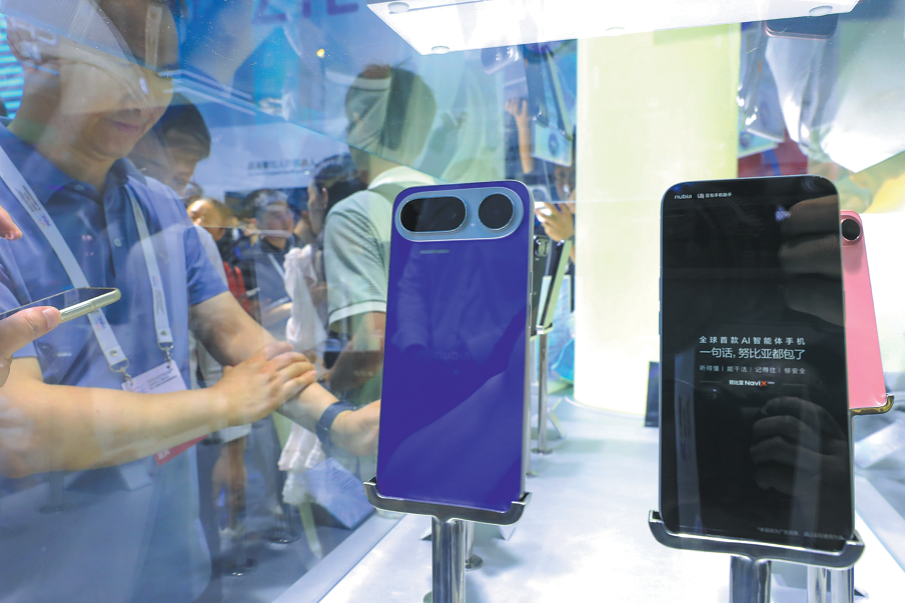
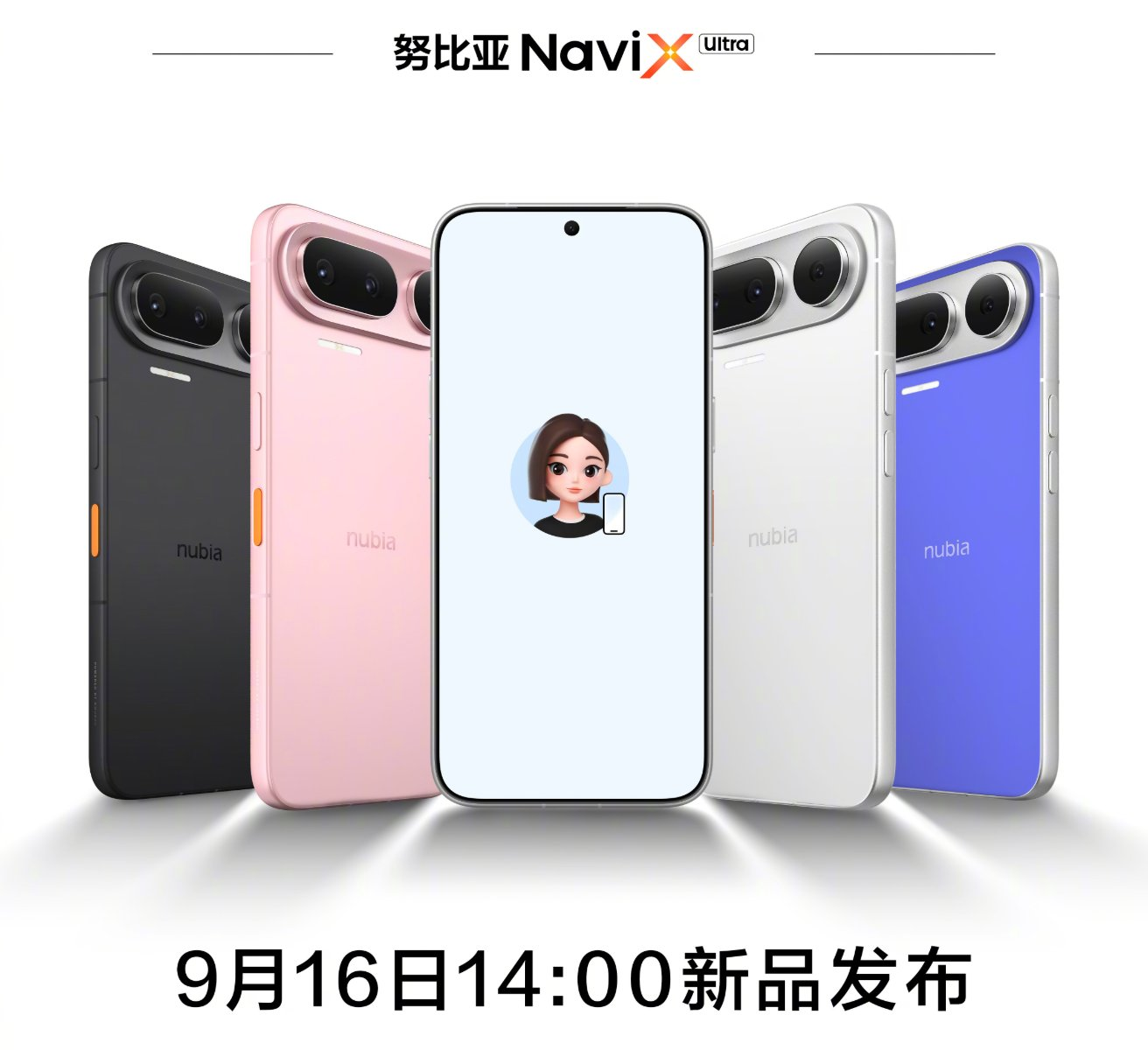
Nubia is set to release the NaviX Ultra on September 16, positioning the handset as the world’s first mass-produced AI-agent smartphone.
The boundary between a conventional smartphone and an intelligent companion is shifting rapidly. ZTE’s smartphone brand Nubia is preparing to commercialize a device that it says moves past traditional software limitations by embedding artificial intelligence directly into the operating system architecture. Rather than treating AI as a mere application sitting on a home screen, the upcoming NaviX Ultra is engineered to act independently across multiple software environments.
System-Level Integration and Core Capabilities
The NaviX Ultra relies on a system-level Graphical User Interface agent architecture designed to interpret on-screen content and simulate humanlike actions. This allows the device to handle complex commands without requiring the user to manually switch between different applications. Ni Fei, president of ZTE’s terminal business division, drew a sharp distinction between past software designs and this new generation of hardware during recent previews.
The essential difference is this: previous AI phones were ‘hardware with AI features tacked on’.
Ni Fei, president of ZTE’s terminal business division
Built around four core capabilities—understanding natural language, executing tasks across apps, remembering user preferences, and ensuring security—the phone accepts user commands via voice or a dedicated orange physical button positioned on the side of the chassis. Users can ask the device to compare prices, fill out order forms, and complete payments autonomously. The hardware itself features a 6.78-inch 1.5K OLED flat display with a 144Hz refresh rate, powered by the Snapdragon 8 Elite Gen 5 chipset and paired with LPDDR5X memory supplied by ChangXin Memory Technologies that reaches a data rate of 10,667Mbps. The device also packs a 7,100mAh battery supporting rapid wired and wireless charging, alongside a triple rear camera setup anchored by a 50-megapixel main sensor.
Protocol Shifts and Regulatory Clearance
The journey from concept to consumer electronics has required significant technical adjustments regarding how software communicates. An earlier limited-edition engineering prototype, the Nubia M153, sold out quickly upon its release in December but relied on raw screen simulation techniques that eventually triggered blocks from major digital platforms. To bypass these roadblocks for the NaviX Ultra, Nubia and ByteDance shifted away from forced entry to requested access
by adopting standardized Model Context Protocol and A2A protocols.
Under this updated framework, partner applications must proactively provide Model Context Protocol services, opening up their underlying operational capabilities and data feeds before the Doubao assistant can interface with them. More than 10 major platforms—including Douyin, Luckin Coffee, Qunar, Meituan, and Didi—have already completed integration. On the regulatory front, the device secured network access approval from China’s Ministry of Industry and Information Technology on September 1, officially finalizing the compliance process from large language model filing to terminal certification ahead of its scheduled September 16 debut.
Privacy Architecture and Market Timing
Privacy concerns remain central to the rollout. Nubia emphasized that core AI model computations run entirely on-device, eliminating the necessity to upload sensitive user data to external cloud servers. This local processing model significantly mitigates data exposure risks while users execute cross-app workflows.
The introduction of the NaviX Ultra arrives during a strained period for the broader mobile industry. IDC forecasts that global smartphone shipments could decline 13.9 percent year-on-year in 2026 due to factors including ongoing memory shortages. Yet within this challenging economic landscape, artificial intelligence is serving as a primary market differentiator. IDC projects that AI-capable devices will capture 53 percent of China’s domestic smartphone market in 2026, totaling 147 million shipped units. Meanwhile, analysts view the hardware shift as a watershed moment for the sector.
CITIC Securities noted in a research report that the proliferation of AI agents on consumer electronics will trigger a widespread revaluation of the entire hardware supply chain as intelligent assistants transition from novelty features into core operating requirements.
Keep reading

Oslo Hosts EIT Urban Mobility North Summit
The eiturbanmobility.eu officially opened in Oslo, Norway, bringing together decision-makers, innovators, and thought leaders from across Northern Europe.
Apple CEO John Ternus to Unveil Foldable iPhone Ultra at Hardware Event
Apple prepares to unveil its long-rumored foldable iPhone, tentatively called the iPhone Ultra, starting at $2,000 during its...

Elon Musk Texted Ex-Girlfriend About Children Before Civil War in Documentary
Titled Musk, the documentary spans three years of production and explores the technology entrepreneur's trajectory from Silicon Valley...
Harman Kardon Enchant 900 Dolby Atmos Soundbar Now £167 Off at Peter Tyson
The Harman Kardon Enchant 900 Dolby Atmos soundbar is currently available at a £167 discount through Peter Tyson,...