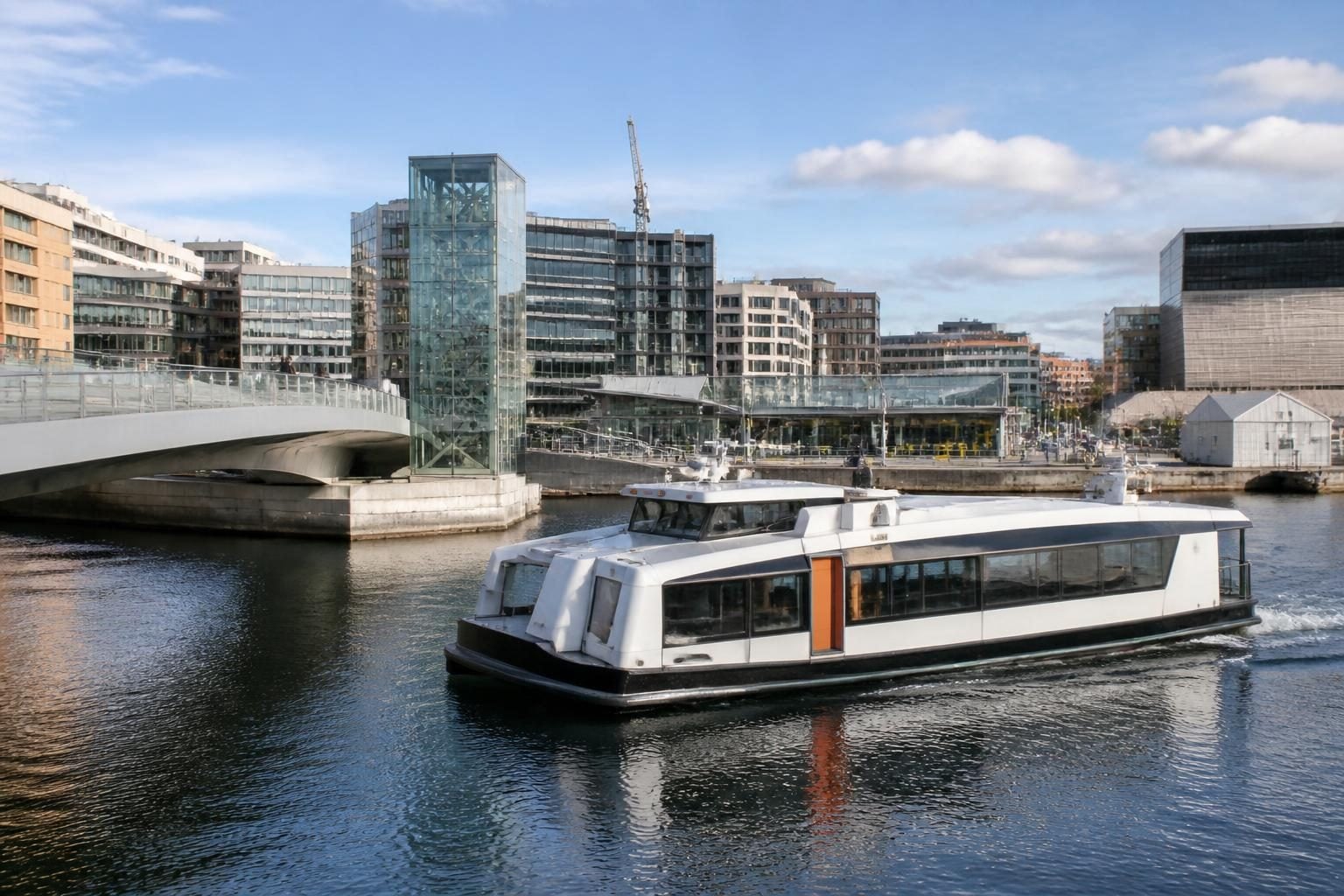
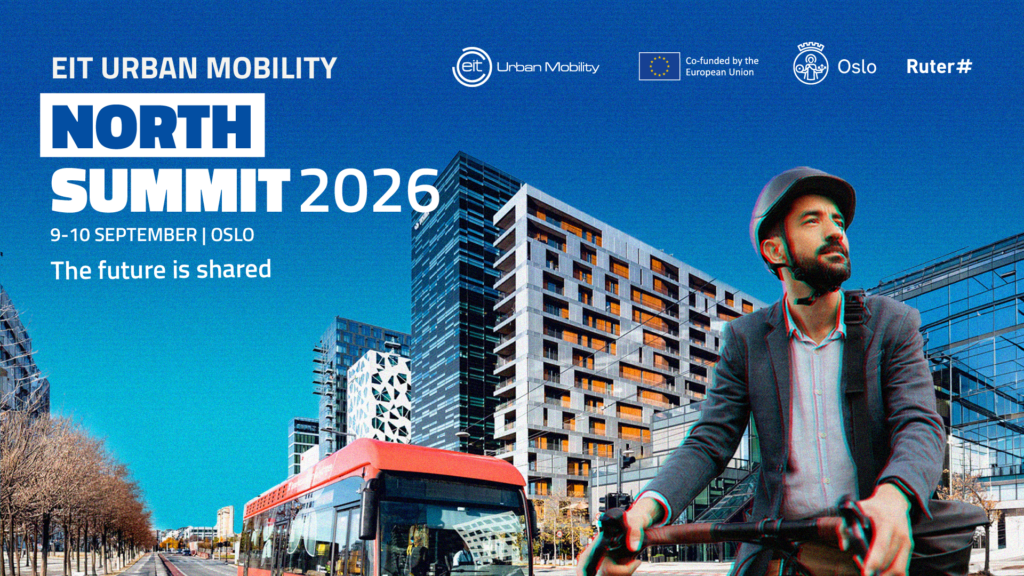
The eiturbanmobility.eu officially opened in Oslo, Norway, bringing together decision-makers, innovators, and thought leaders from across Northern Europe. Running for two days on 9 and 10 September 2026, the high-level gathering serves as an exclusive, invitation-only forum focused on the practical challenges of urban transport, shared mobility, and data-led urban planning in growing cities.
Oslo Welcomes Regional Leaders for the Third Annual EIT Urban Mobility North Summit
The regional event is co-hosted by EIT Urban Mobility, the City of Oslo, and public transport operator Ruter. Organisers designed the summit to explore how Northern European and Baltic cities are pioneering combined mobility, rethinking urban space, and harnessing mobility data and artificial intelligence to reduce dependence on private cars while maintaining accessible neighborhoods.
Program Highlights and Practical Site Visits in Oslo
Rather than presenting a single universal model, the summit functions as a collaborative platform for exchanging experiences across regional transport authorities, mobility companies, researchers, and entrepreneurs. The first day’s agenda featured keynote presentations alongside immersive site visits that allowed participants to observe Oslo’s transport infrastructure firsthand.
Attendees had the opportunity to join specialized afternoon excursions across the Norwegian capital:
- Tour de Oslo: A guided Ruter round-trip combining commuter ferry, metro, tram, and bus services.
- Autonomous Oslo: A specialized visit to the garage housing Ruter’s shared autonomous on-demand services.
- Walking Tour: An exploration of downtown urban developments, bicycle-priority routes, and new park streets.
The master of ceremonies for both days of the conference is Willem-Frederik Metzelaar, Regional Director at EIT Urban Mobility.
Expert Perspectives and Regional Representation
The conference agenda features a broad lineup of international speakers representing transport authorities, municipal governments, and private operators from across the Nordic and Baltic regions. Notable participants and speakers include Marit Vea, Vice Mayor for Environment and Transport of the City of Oslo, alongside representatives from neighboring Bærum Municipality, Helsinki’s transport authority HSL, Vilnius city technology services and public transport operator JUDU, Riga’s public transport operator Rīgas Satiksme, Denmark’s Rejsekort & Rejseplan, and Sweden’s Skånetrafiken.
Discussions delve into various modes of sustainable transit, ranging from electrification journeys and public transport collaboration to e-scooters, demand-responsive transport for low-density areas, and station strategies that enable multimodality.
Data-Driven Sustainable Urban Mobility Plans
A central theme occupying the second day of the summit is the practical implementation of data within Sustainable Urban Mobility Plans, commonly referred to as SUMPs. Convening under a dedicated workshop titled Data-driven SUMPs: From Fragmented Data to Integrated Mobility Systems,
participants examine how better coordination can help cities understand how transport shifts simultaneously affect streets, local businesses, residents, and public services.

The sessions address critical technical and operational questions surrounding access, data ownership, and interoperability. Specialists emphasize that journey-planning services, traffic-management systems, and shared-mobility schemes rely heavily on the ability of public and private digital systems to exchange reliable information seamlessly, ultimately aiming to deliver clearer travel information, safer cycling connections, and dependable daily transit for urban residents.
Worth a look
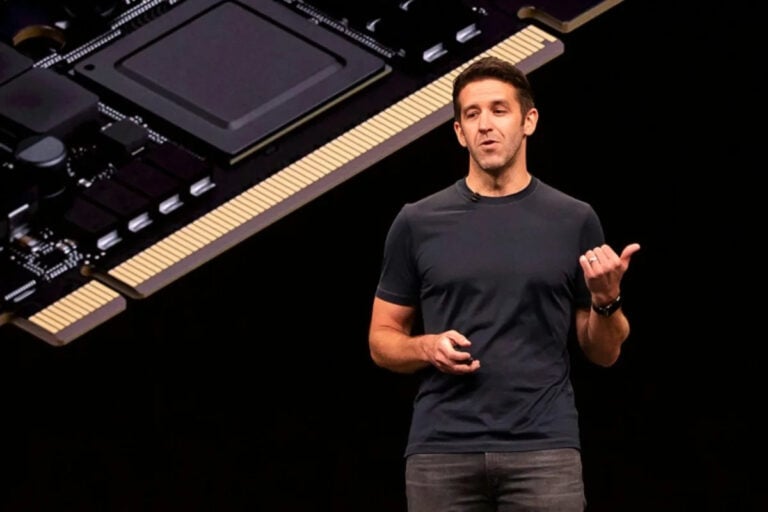
Apple CEO John Ternus to Unveil Foldable iPhone Ultra at Hardware Event
Apple prepares to unveil its long-rumored foldable iPhone, tentatively called the iPhone Ultra, starting at $2,000 during its...

Nubia readies for AI-agent smartphone
Nubia is set to release the NaviX Ultra on September 16, positioning the handset as the world's first...

Elon Musk Texted Ex-Girlfriend About Children Before Civil War in Documentary
Titled Musk, the documentary spans three years of production and explores the technology entrepreneur's trajectory from Silicon Valley...

Harman Kardon Enchant 900 Dolby Atmos Soundbar Now £167 Off at Peter Tyson
The Harman Kardon Enchant 900 Dolby Atmos soundbar is currently available at a £167 discount through Peter Tyson,...