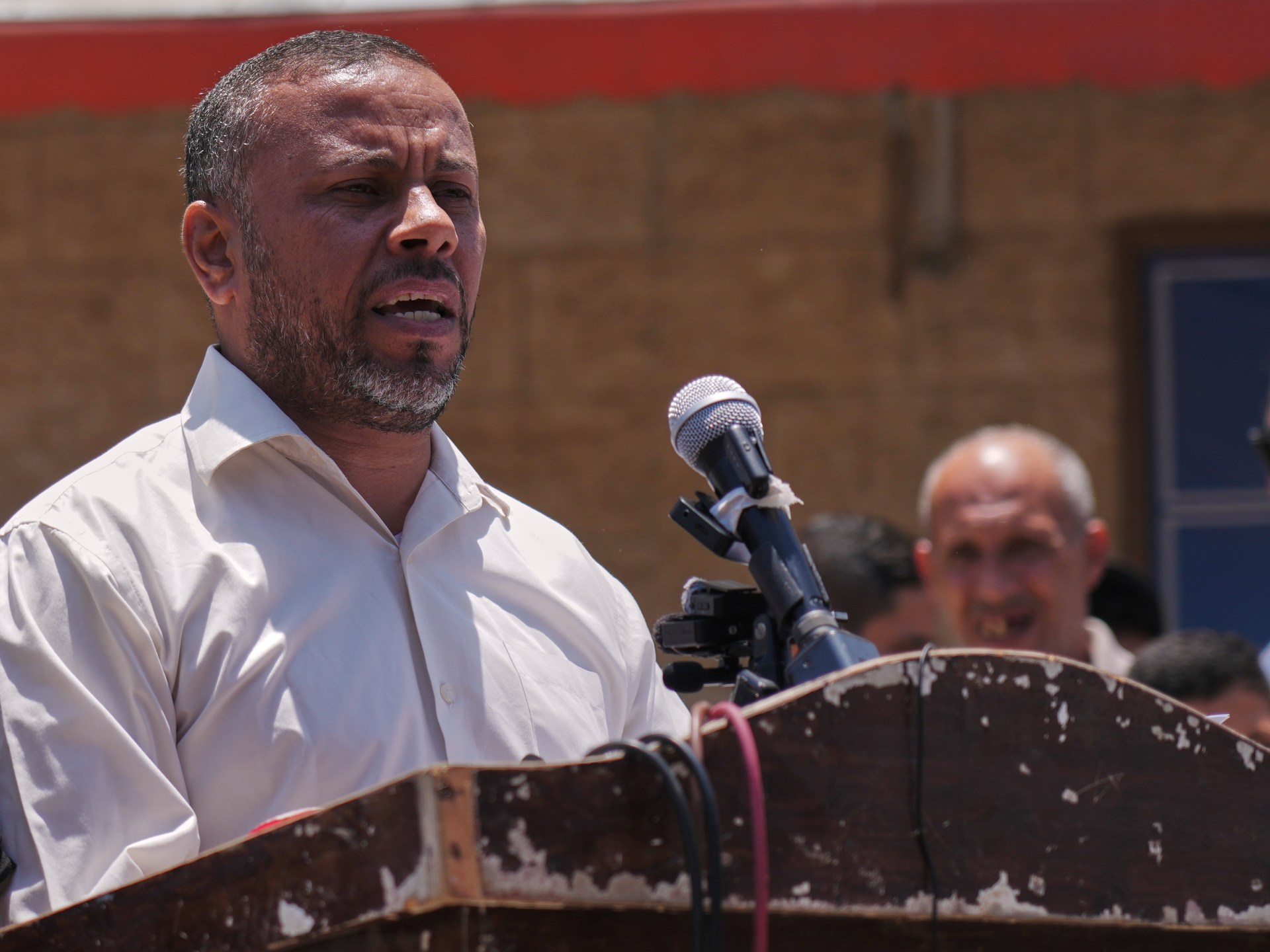
On July 6, 2026, Hamas announced the dissolution of its government in Gaza, transferring authority to a Palestinian technocratic committee as part of a U.S.-backed peace plan. The move, which follows a stalled ceasefire agreement, aims to facilitate a transition to civilian rule but faces immediate challenges, including Israeli restrictions on the new administration’s entry into the territory. The National Committee for the Administration of Gaza (NCAG), formed under a U.S.-brokered plan, remains stranded in Cairo after Israel blocked its members from entering Gaza. “We hope that this important step on the ground will help bring an end to the aggression,” said Ismail al-Thawabta, general director of the Government Media Office, according to Al Jazeera.
Hamas’s Announcement and the New Governance Structure
Hamas declared the dissolution of its “Government Emergency Committee” and the resignation of its head, Mohammed al-Farra, signaling a shift to a technocratic administration. The group emphasized that technical and professional staff would remain in place to maintain basic services, while the NCAG, a body of Palestinian professionals, would assume governance. “All employees working in service provision are ‘state employees’ and are fully prepared to work under the National Committee for the Administration of Gaza,” al-Thawabta stated, according to Al Jazeera. The NCAG, established in January 2026 under U.N. Resolution 2803, was designed to oversee a transition to civilian rule, but its members have been unable to enter Gaza since Israel blocked them.


Despite the formal handover, Hamas’s commitment to relinquishing power remains contested. A senior Palestinian official in Ramallah told The Jerusalem Post that Hamas has not declared an end to its rule and that the new committee is a “temporary governing body” rather than a true transfer of authority. Hamas wants to shift responsibility to the mediators and Israel, the official said, suggesting the group seeks to “rebuild its infrastructure and embolden itself in the future.” This skepticism is echoed by Israeli officials, who view the move as a tactical maneuver to avoid disarmament.
Contradictions in Hamas’s Commitment
While Hamas framed its decision as a “positive step forward,” critics argue the group is maintaining de facto control. The Israeli government has demanded full disarmament as a precondition for the NCAG’s entry, a condition Hamas has refused to accept.
The NCAG’s head, Ali Shaath, acknowledged the group’s readiness to assume responsibilities but stressed that “necessary resources and enabling conditions for its work” must be in place. This statement, made in a post on his Facebook page, highlights the committee’s dependence on external support. Meanwhile, Hamas has reportedly sought to integrate its personnel into the NCAG’s structure, raising concerns that the group will continue to exert influence through technical and professional staff. “Hamas cannot give them up, because through them it can continue to operate and play a role,” a Palestinian source told The Jerusalem Post.
The Role of the U.S.-Brokered Ceasefire
The current transition is part of a broader U.S.-backed plan to end Israel’s war on Gaza, which began in October 2023. The peace deal, mediated by Donald Trump’s administration, includes provisions for a “technocratic government” to manage the territory while Israel maintains control over security. However, the plan has faced repeated setbacks, including Israeli objections to the NCAG’s entry and Hamas’s refusal to disarm. The Trump-appointed high representative for Gaza, Nickolay Mladenov, said, “Ultimately, our assessment will be guided by actions, not promises, to meet the critical needs of the people of Gaza,” according to The Guardian. The U.S. has also backed a initiative which officials have variously referred to as a “humanitarian city”, “alternative safe communities”, or “New Rafah” – but which the former Israeli prime minister Ehud Olmert has called a “concentration camp”.

Find more reporting in our World section.
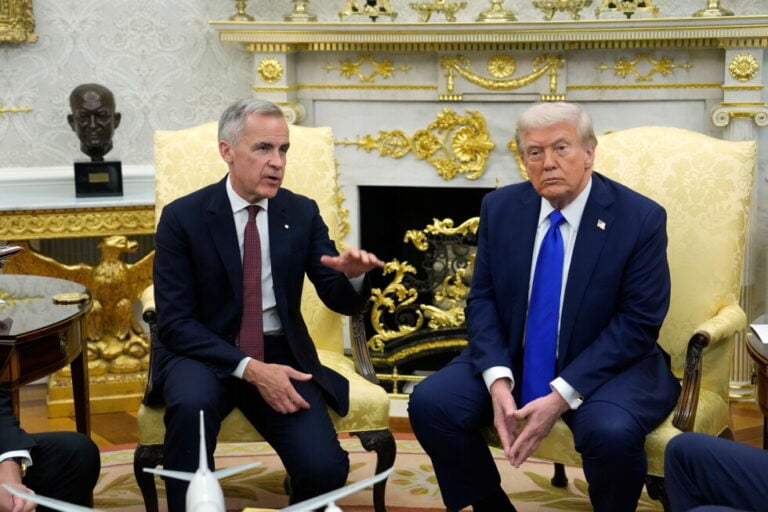
US Imposes 50% Tariffs on $20 Billion in Canadian Goods After Talks Collapse
The United States and Canada plummeted into a trade war on Saturday, August 22, 2026, as the U.S.
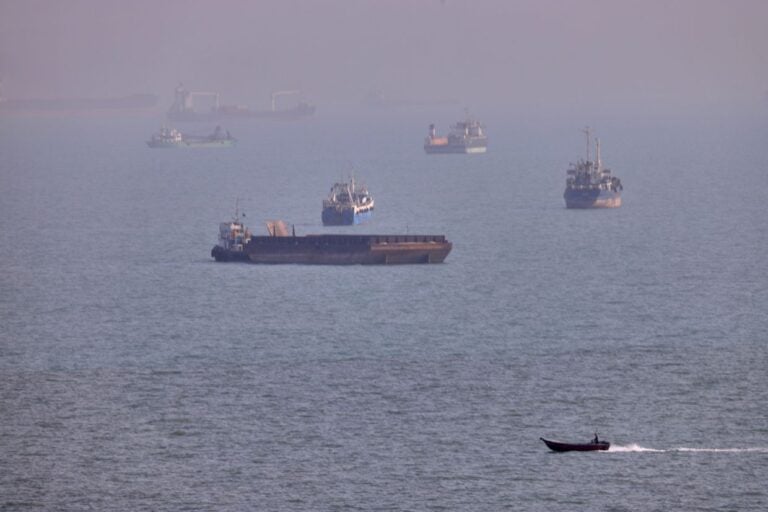
Oil Prices Surge as Trump Threatens Sanctions on Iran Trading Partners
Crude oil prices surged globally on Friday, August 22, 2026, after U.S. President Donald Trump threatened economic sanctions...

US Ambassador Mike Huckabee Condemns Settler Siege in West Bank Village
U.S. Ambassador Mike Huckabee condemned a settler siege in the occupied West Bank village of Qusra as a...

Malaysia Urges ASEAN Action As Haze Closes Sarawak Schools
As dry weather and rising hotspots push air pollution to unhealthy levels across parts of Malaysia and force...