
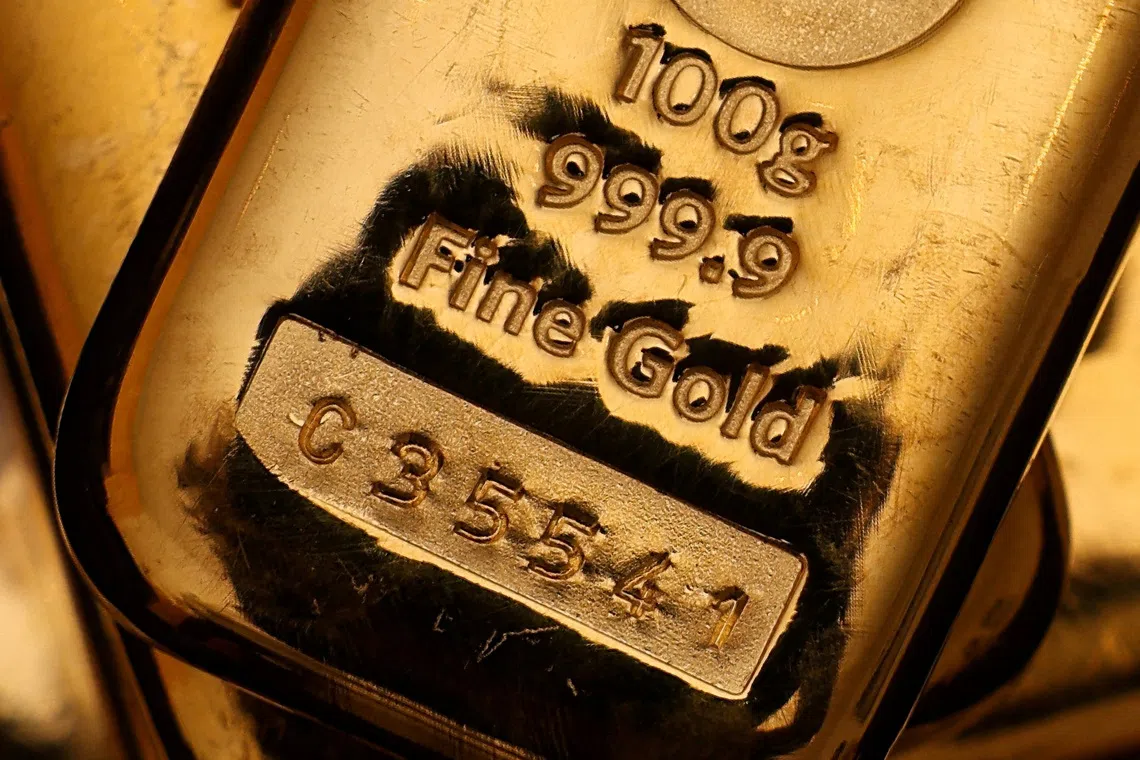
Gold hovered near a seven-week low on September 29, 2026, stabilizing after a sharp four per cent rout driven by surging crude oil prices, rising U.S. Treasury yields, and escalating market expectations for a Federal Reserve interest rate hike.
Precious Metals Suffer Heavy Sell-Off as Crude and Yields Surge
Precious metals experienced intense selling pressure at the start of the week, with international bullion tumbling as energy costs escalated and bond markets weakened. Spot gold hovered near a seven-week low, trading around US$4,120 an ounce, after suffering a four per cent decline in the previous session. Domestic markets mirrored the international drop, as October 2026 gold futures on the MCX fell Rs 3,656, or 2.42 per cent, to close at Rs 1,47,225 per 10 grams.
Silver and other precious metals also absorbed steep losses. December 2026 silver futures dropped Rs 7,563, or 3.22 per cent, to settle at Rs 2,27,133 per kilogram. In international spot trading, silver slipped to US$60.64 an ounce, platinum traded near US$1,699.86, and palladium lost ground to US$1,209.26 per ounce.
The sharp pullback in non-yielding bullion followed a deepening sell-off in the U.S. Treasury market. The benchmark 10-year Treasury yield climbed to a fresh 19-year high, driven by persistent inflation concerns and mounting energy costs that increased the opportunity cost of holding precious metals.
Strait of Hormuz Standoff and Middle East Supply Pressures
The underlying catalyst for the broader commodity market turbulence remained the prolonged standoff in the Middle East. Energy prices stayed elevated as the conflict between the United States and Iran over the Strait of Hormuz entered its eighth month without a resolution in sight.
Tensions intensified after U.S. President Donald Trump rejected an Iranian proposal to reopen the critical shipping lane within seven days. Following the rejection, Iranian officials privately expressed pessimism regarding a potential deal to end hostilities before the U.S. midterm elections in November.
Geopolitical developments will remain crucial for gold, as continued tensions could keep energy prices and yields elevated, while meaningful progress towards de-escalation could ease pressure.
Christopher Tahir, senior market strategist at Exness
While U.S. and Iranian officials spoke separately with mediators in a renewed diplomatic push to end seven months of conflict, the lack of immediate resolution kept crude oil prices high. Brent crude traded near $107.89 per barrel, while West Texas Intermediate crude advanced 3.4 per cent to $95.54 per barrel. Analysts noted that sustained high energy costs threaten to feed broader inflation by raising production and transportation expenses across the global economy.

Federal Reserve Rate Hike Expectations and Technical Support Levels
Heightened inflation risks tied to energy and artificial intelligence-driven demand have shifted monetary policy expectations significantly.
Federal Reserve Governor Lisa Cook warned that productivity gains from artificial intelligence may not be sufficient to offset near-term price pressures.
Technical analysts observed that domestic gold prices broke below key support levels during the sell-off. Opening with a gap-down, MCX gold slipped past the Rs 150,000 to Rs 150,700 zone, which previously served as a floor and is now expected to function as resistance.

Immediate resistance is at Rs 150,000–Rs 150,700, followed by Rs 152,000–Rs 152,600. On the downside, immediate support is at Rs 147,300–Rs 148,000, followed by Rs 145,300–Rs 146,000, near the 200-day EMA. The RSI at 37.48, below its signal line, points to weak momentum.
Ponmudi R, CEO of Enrich Money
Upcoming U.S. Economic Data Releases and Market Outlook
Market participants turned their focus toward a packed schedule of U.S. economic data releases to determine the near-term trajectory of monetary policy. Tuesday’s Job Openings and Labor Turnover Survey (JOLTS) report was slated for release, followed by ADP employment figures and the Personal Consumption Expenditures (PCE) index on Wednesday.
The week will conclude with the nonfarm payrolls report on Friday. Analysts emphasized that the PCE price index—the Federal Reserve’s preferred inflation gauge—alongside employment data will carry the heaviest weight in swaying October rate decisions.
Analysts from China Zheshang Bank noted in a research note that heavy trading volumes accumulated near September’s price peaks mean any further upward movement will face significant near-term resistance. They added that a return to the broader theme of U.S. dollar debasement will require fresh macroeconomic catalysts.
Related reading

Namibia Presents Kunene Water Project to Global Investors
Namibia has presented its Kunene water project and desalination initiatives to global investors at the UN General Assembly,...

UK Borrowing Costs Reach 28-Year High as Gilt Yields Surge
UK borrowing costs reached a 28-year high on September 1, 2026, as 30-year gilt yields hit 5.89 percent.

Wildlight Restaurant on UBC Campus Announces Permanent Closure
Wildlight, a Michelin-recommended restaurant located on UBC's campus, has announced it will permanently close on November 28, 2026.