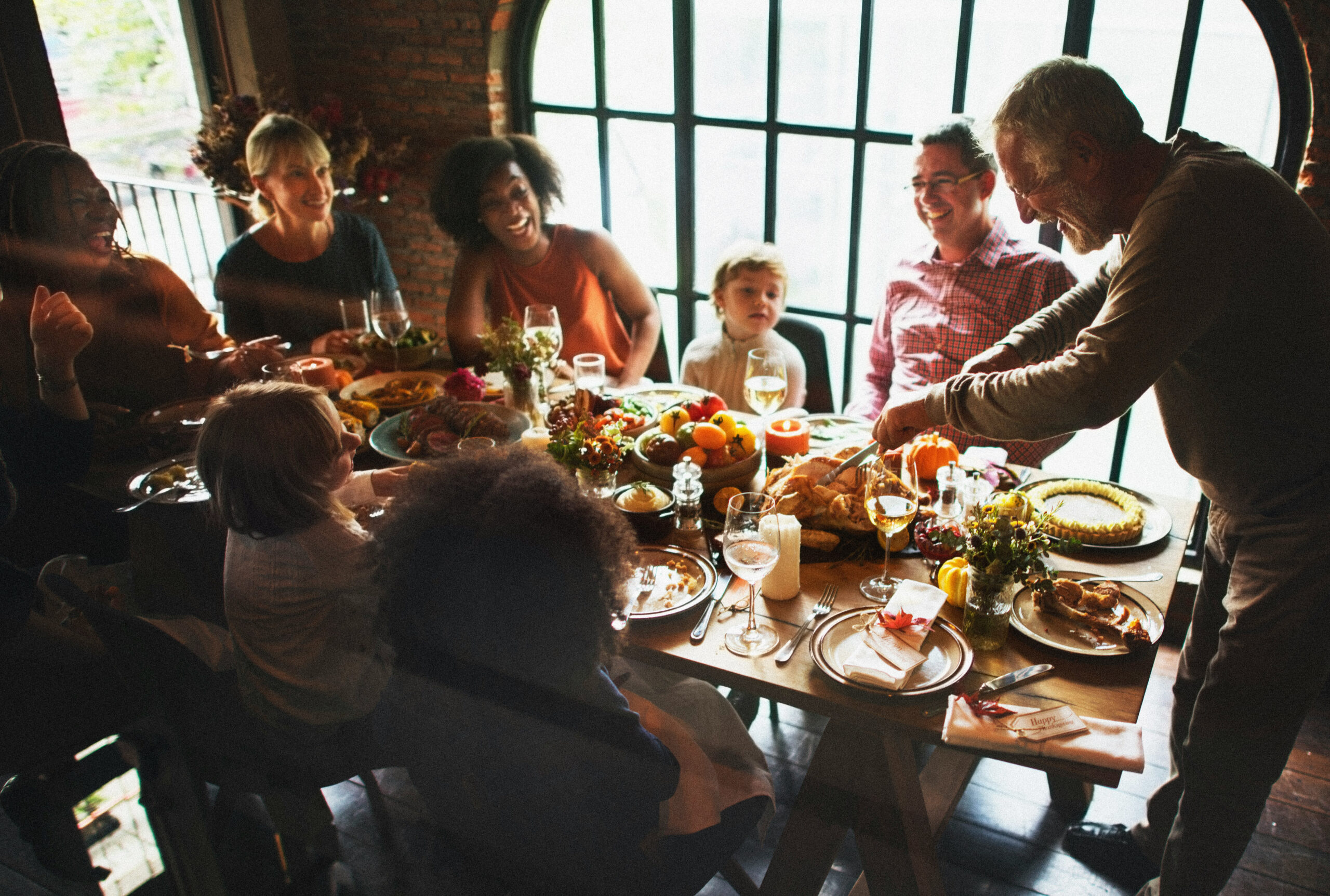
In a column for Word on Fire, an author argues that the modern decline in home-cooked meals represents a loss of authentic community.
The piece, titled “A Labor of Love: The Communion of a Home‑Cooked Meal,” details a personal journey from hosting small Friendsgiving dinners as a college student to larger gatherings as an adult.
She writes that her first Friendsgiving in a junior’s college apartment with eight friends felt more accomplished than her academic achievements at the time. The event grew over the next two years, feeding nearly twenty friends with the help of her roommate and husband, and then over thirty people with the help of other friends.
- Author hosted Friendsgiving for three years in college, starting with eight friends.
- Americans spend well over $3,000 annually on eating out, about 40% of total food spending.
- Less than two-thirds of Americans had people over to their homes socially in the past year.
The author contends that the act of cooking for others is fading from cultural reality. According to Word on Fire, just a little more than half of Americans either attended or threw a dinner party in the past year, with a corresponding free-fall since the 1990s. This decline, she writes, is a symptom of a loneliness epidemic fueled by digital “leisure” that replaces authentic community.

“We are seeing the death of hosting with no sign of improvement,” she says. “We’re swimming in the decadence of rapid availability of every variety and flavor of food unimaginable but drowning in the loss of the community that used to be served alongside.”
The author frames cooking and sharing meals as a deeply spiritual practice. She argues that Christ’s choice to host a dinner with his friends shows that eating together is sacramental in nature. For her, creating home-cooked food is not a chore but a way to participate in communion with one another, reflecting the heavenly Communion received at Sunday liturgy.
“Christ chose the setting of a dinner as the place of the institution of the Eucharist to show us that we are not merely animals who have instincts to feed ourselves nor machines who need ‘food as fuel’ like a car needs gas, but that we are fully human, and eating with one another is sacramental in its very nature,” she writes.
To combat this cultural shift, the author calls for a return to the dinner table, starting with regular family mealtimes and extending to inviting others into one’s home. She stresses that one does not need to be wealthy or own a large home to host, citing her own experiences in a small apartment.
The key is to “make something real” and resist the temptation to just order food, as the labor and care put into a meal are central to the act of communion.
“This means of grace is available to all of us just by opening up our homes and setting the table for communion,” she concludes, reflecting on a recent breakfast gathering with old friends in her home.

Eagles Defense Strong Without Davis, Baun With Fangio Adjustments
In a film review for Bleeding Green Nation, the author argues the Philadelphia Eagles delivered a "very good...

Omni Mount Washington Resort & Spa: Year-Round Activities, Spa & Golf in Bretton Woods, NH
Omni Mount Washington Resort & Spa in Bretton Woods, N.H., operates a year-round calendar of on-property activities and...

Indian Pueblo Kitchen Serves Native Cuisine at Cultural Center on Route 66
Along Route 66 in Albuquerque, a museum café has become a destination for Native American cuisine, drawing locals...
Contra Costa Mayors and Officials Issue Joint Statement Following ICE Enforcement Activity
Federal immigration enforcement activity in Contra Costa County has prompted nine mayors and dozens of local elected officials...