
In a column for the Anchorage Daily News, the editorial board argues that Jonathan Kreiss-Tomkins should govern from the center, pursue a sustainable fiscal plan and fix basic government services before pursuing new policy ambitions.
Alaska voters elected a Democrat as governor on Nov. 3 for the first time in 28 years. Kreiss-Tomkins cleared 50% outright, avoiding a ranked choice tabulation, and takes office Dec. 7, the Anchorage Daily News reported.
The editorial describes the result as a referendum on the Republican Party and support for a Democratic agenda, but not a mandate to remake the state.
“That’s a mandate to govern well, not a blank check to remake Alaska,” the board writes.
The board urges Kreiss-Tomkins to keep his campaign promise of a bipartisan cabinet.
On the budget, the board calls for honesty about the Permanent Fund dividend.
It also demands a meaningful spending cap and warns against relying on temporary oil revenue increases for recurring spending.
It suggests revisiting SB 113, a corporate income tax bill vetoed by Gov. Mike Dunleavy that would have required large out-of-state online companies to pay taxes in Alaska, and ending the corporate income tax exemption for Hilcorp.
Education funding should be stabilized and forward-funded so districts know their budgets before spring hiring cycles, the board argues, even if it requires a constitutional amendment.
On pensions, the editorial opposes a return to defined-benefit plans for new hires.
“The state can’t afford another unfunded obligation,” the board writes.
The clearest mandate, the editorial says, is making government work: clearing the SNAP backlog, speeding professional licensing, processing Medicaid applications on time and filling critical vacancies.
“He doesn’t have to wait for a grand fiscal bargain to start making government work better. That’s work he can begin on day one,” the board writes.
Kreiss-Tomkins has promised to publish backlog numbers so the public can track progress. The editorial urges him to follow through, set clear expectations for agency leaders and hold them accountable.
Worth a look
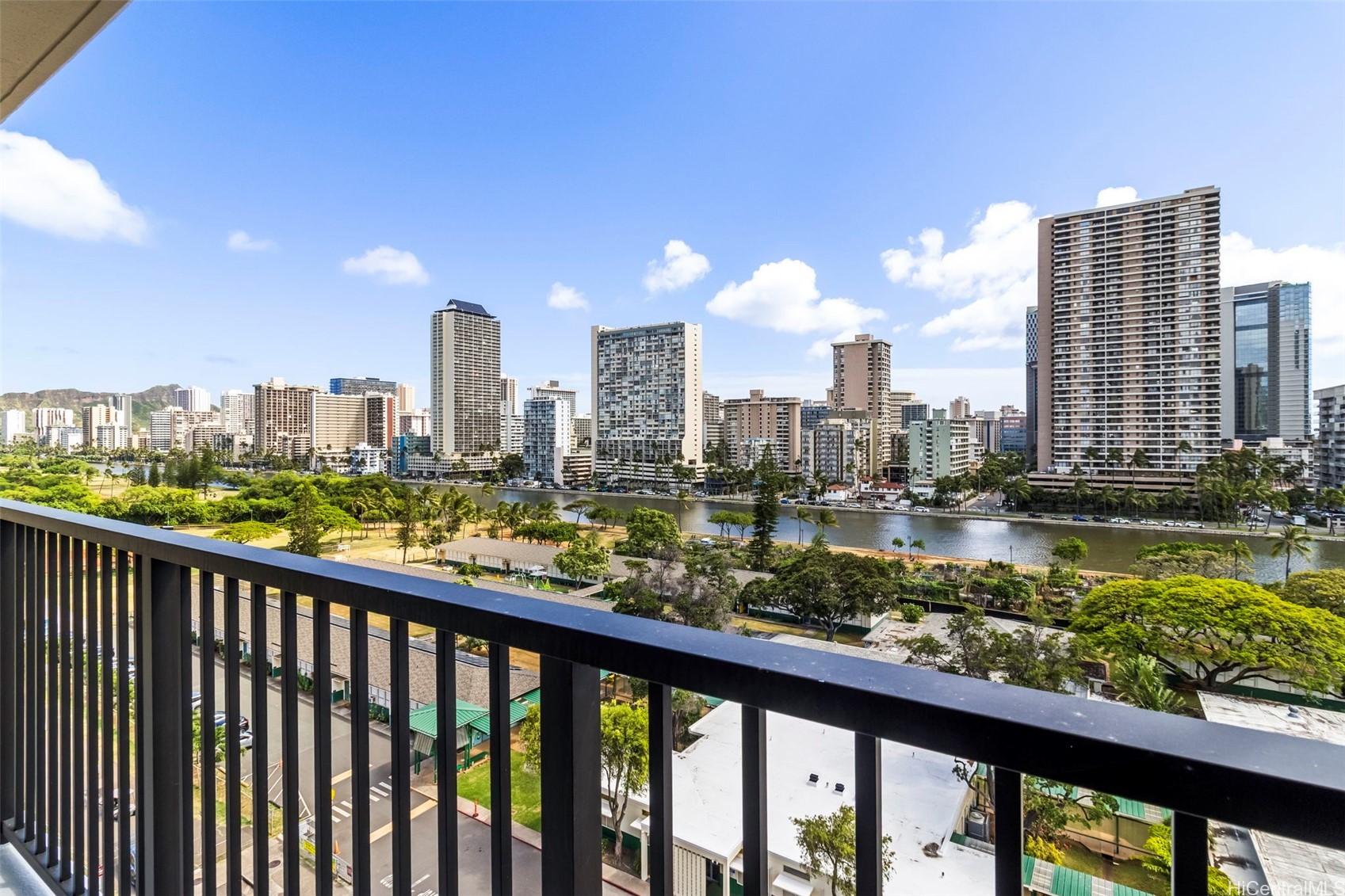
2444 Hihiwai St #1006 Listed at $349,800 by Hawaii Modern Realty
Unit 1006 at 2444 Hihiwai St in Honolulu hit the active market on Friday listed through Hawaii Modern...
Gophers Snap Skid, Secure Bowl Eligibility With Win Over Northwestern
Minnesota snapped a three-game skid and clinched bowl eligibility with a win over Northwestern on Saturday, setting up...

Wolf Pack Down Admirals 5-2 for Fifth Win
The Hartford Wolf Pack secured a 5-2 victory against the Milwaukee Admirals on Saturday night at PeoplesBank Arena,...
Scott Colom Flips Mississippi Senate Seat With Viral “Pick Another Protein” Ad
Mississippi elected Scott Colom as its first Black U.S. senator since Reconstruction, flipping a seat Democrats had not...