
Alabama voters will decide on four statewide constitutional amendments during the general election on Tuesday, Nov. 3, 2026. These proposals address Lieutenant Governor vacancies, school district consolidations, and new requirements for patriotic activities and prayer in public K-12 schools.
While the race for governor often dominates the headlines, the four amendments appearing on the ballot represent fundamental shifts in how Alabama manages its government and its classrooms. According to reporting from WVTM 13, these measures will each appear as a separate question, meaning voters can choose to support some while rejecting others.
Changes to the Lieutenant Governor’s office
The first proposal, Amendment 1, seeks to close a gap in how the state handles leadership transitions. Under the current legal framework, if a lieutenant governor leaves office during a four-year term, the position remains empty until the term expires, unless both the governor and lieutenant governor positions become vacant simultaneously. This could leave the state with a significant power vacuum for extended periods.
🚨RISE AND SHINE: Four days from Election Day, Barry Moore leads Everett Wess by 8 points in the Alabama Senate race. Alabama – 2026 Senate 🟥Barry Moore 48% (+8) 🟦Everett Wess 40% See all AL Senate polls @Pollsmax. Alabama is one of the nation's most Republican… pic.twitter.com/Qoa9DtX9bh
If passed, Amendment 1 would mandate a special election to fill the vacancy, provided the position becomes open more than two months before the next scheduled statewide election. Beyond filling vacancies, the Montgomery Advertiser reports that the amendment would grant the Legislature the authority to set salaries for the lieutenant governor and legislative officers through a joint resolution. It also proposes a change to how lawmakers’ travel expenses are approved, requiring authorization from an officer elected by the members of the relevant legislative chamber.
New pathways for school district consolidation
The second amendment addresses a growing demographic challenge facing rural Alabama. Amendment 2 would establish a formal process for neighboring county school systems to merge into single, multi-county districts. This move comes as population shifts and declines reshape the state’s educational landscape.
State Superintendent Dr. Eric Mackey noted that some school systems are already struggling with shrinking student populations, leading to the closure of multiple schools within a single year. He suggested that the state may eventually reach a point where combining city and county districts, or even combining different cities, becomes a necessity for organizational survival.
However, the amendment includes specific safeguards to prevent forced mergers. The process would require a state impact study to analyze the effects on school finances, transportation, educational programming, and the impact on local families. If a school board approves a merger plan, residents have a 30-day window to challenge it by gathering signatures from at least 25% of eligible voters in the affected systems. If enough signatures are collected, the merger cannot proceed unless a majority of voters in each involved county approve it in the next statewide election.
Patriotic requirements and student prayer in public schools
The final two amendments focus on the daily culture of Alabama’s K-12 classrooms. Amendment 3 would require public schools to provide for the daily recitation of the Pledge of Allegiance. While Dr. Mackey stated that this is already standard practice across the state, the amendment would formalize the requirement for local school boards to adopt specific policies regarding the Pledge and student-led prayer.
Under Amendment 3, schools would be permitted to allow students to initiate and lead voluntary prayer. The measure specifies that such prayer must be student-initiated and student-led, and it explicitly preserves the right for students to opt out of both the Pledge and the prayer based on their personal beliefs.
Amendment 4 would make Alabama the first state to mandate the national anthem within its state constitution. If passed, public K-12 schools would be required to broadcast or host a performance of the first stanza of “The Star-Spangled Banner” at least once a week. Local boards would have the flexibility to choose how this is implemented, either through a recording archived in the Library of Congress or via a live performance by a school-sanctioned band, choir, or vocal group using original sheet music. Similar to the prayer amendment, this measure does not require students to participate or sing.
Beyond these statewide measures, voters in specific areas will face local constitutional questions. For instance, the Montgomery Advertiser reports that voters in Montgomery will see a local amendment regarding retirement benefits for Montgomery City Council members, which would allow them to participate in the Employees’ Retirement System of Alabama.
Voters can review their specific local questions by accessing sample ballots provided by the Alabama Secretary of State. On Election Day, polls will be open from 7 a.m. to 7 p.m., and voters must present an acceptable form of photo ID to cast their ballots.
Whether these changes will effectively stabilize shrinking school districts or fundamentally alter the daily experience of Alabama students remains a central question for the upcoming election.
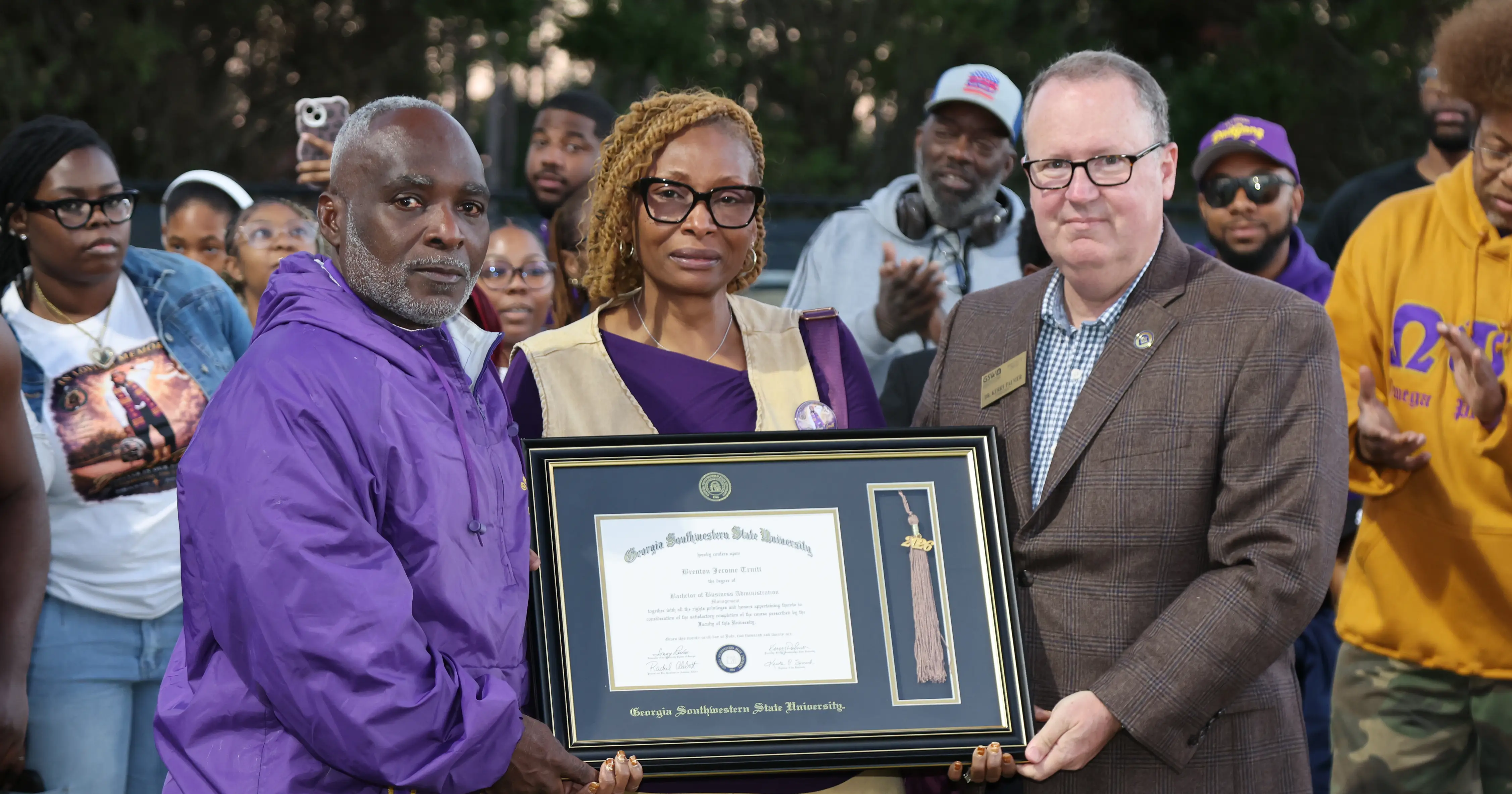
GSW Awards Posthumous Degree to Brenton Truitt Honoring Family Legacy
A legacy honored at Georgia Southwestern Homecoming The tradition of homecoming often centers on the excitement of football...

Charles Orlando Hovey Jr., 96, Veteran and Yacht Broker
Charles Orlando Hovey Jr. passes away in Laguna Beach at age 96 Charles Orlando Hovey Jr., known to...
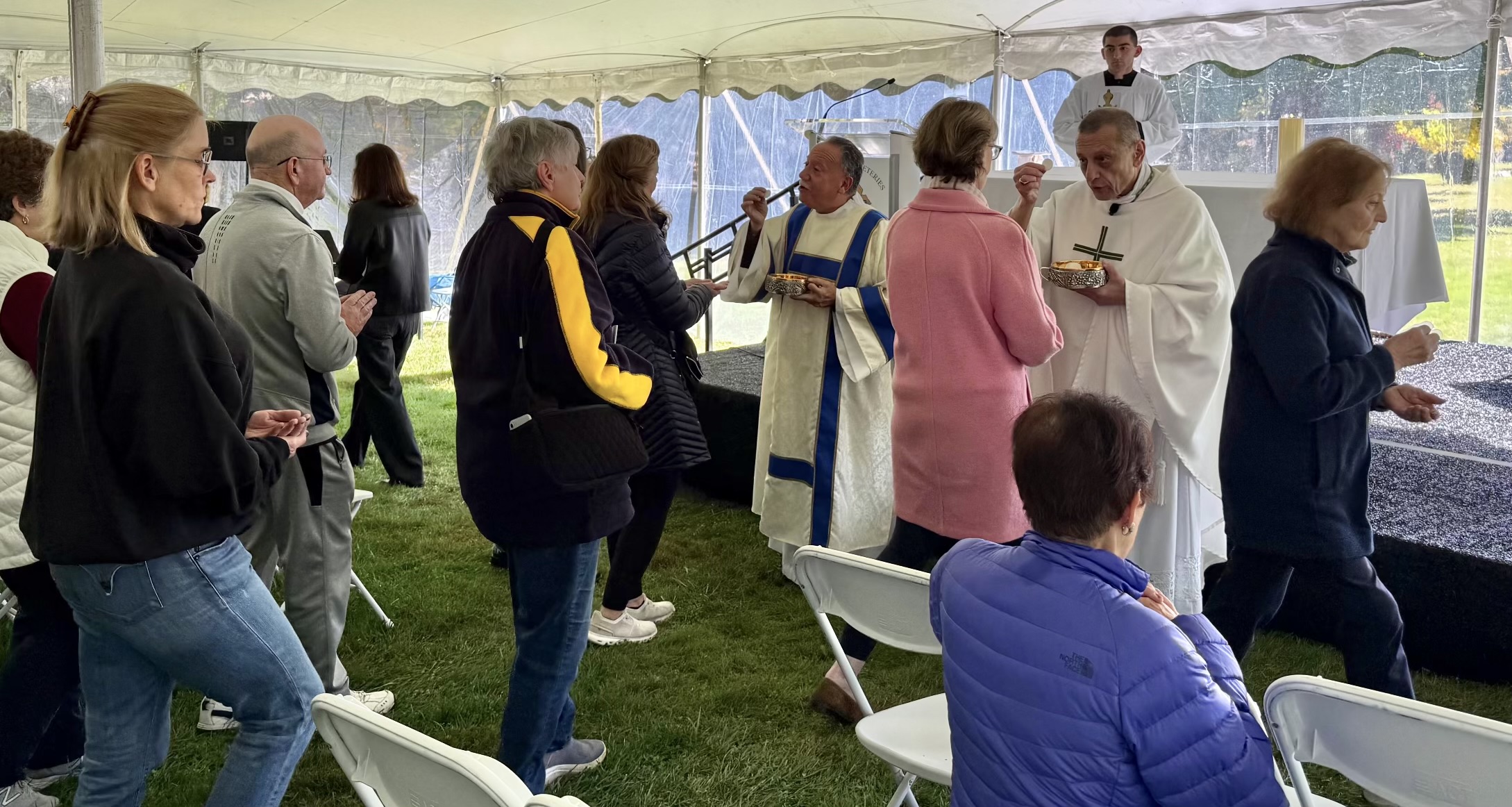
Bishop Caggiano Honors the Departed at All Souls Day Mass in Greenwich
A Sunday Ritual of Faith and Memory in Greenwich Bishop Frank J. Caggiano stood under a white tent...

Sacramento County Turns Green for Operation Green Light for Veterans
Sacramento County illuminates Administration Building in green for veterans Starting November 4, the Sacramento County Administration Building at...