
Alaska officials must decide whether to convert project right-of-way leases for the Alaska LNG pipeline following the November elections, as declining Cook Inlet gas supplies pressure state utilities.
- Glenfarne owns 75% of 8 Star Alaska, while the State owns 25% through the Alaska Gasline Development Corp.
- Cook Inlet gas supplies have heated Southcentral homes for over 50 years but are now running down.
- The Department of Natural Resources is currently reviewing the conversion of two state right-of-way leases.
Lease Decisions and State Oversight
The Alaska Department of Natural Resources is handling a critical decision to convert the project’s two state right-of-way leases from conditional to standard leases. Lenders and investors require settled land rights before financing the pipeline, and the state process accomplishes this at no cost to residents.
Three successive gubernatorial administrations have advanced the initiative. Under Gov. Sean Parnell, the Legislature established the framework making the state a partner rather than a bystander. Gov. Bill Walker steered the project into federal permitting, and Gov. Mike Dunleavy brought in a private developer to finish the job.
Preliminary gas supply agreements are currently in place with North Slope producers. Pipeline engineering has advanced, and buyers in Asia are participating in discussions as global energy security gains urgency.
Energy Realities in Southcentral and Beyond
Utilities warn that without new gas supplies, Alaskans face higher utility bills, imported fuel, and severe supply uncertainty within the next few years. Energy costs dictate whether families stay in Kenai, small businesses make Fairbanks payroll through the winter, or retirees remain in Anchorage homes.

“Energy is not an abstract policy debate,” Janet Weiss wrote in a commentary.
The South Korean government is conducting an independent review of the project. While new administrations bring fresh perspectives and scrutiny, project advocates caution that restarting the process would cost irreplaceable time.
“Every reset costs time we no longer have,” Weiss wrote.
Worth a look

GGC Men’s Basketball Builds Early Lead Over IU Kokomo Before Substitutions Shift Momentum
The Georgia Gwinnett College men’s basketball team secured an early lead against IU Kokomo, building a 15-7 advantage...
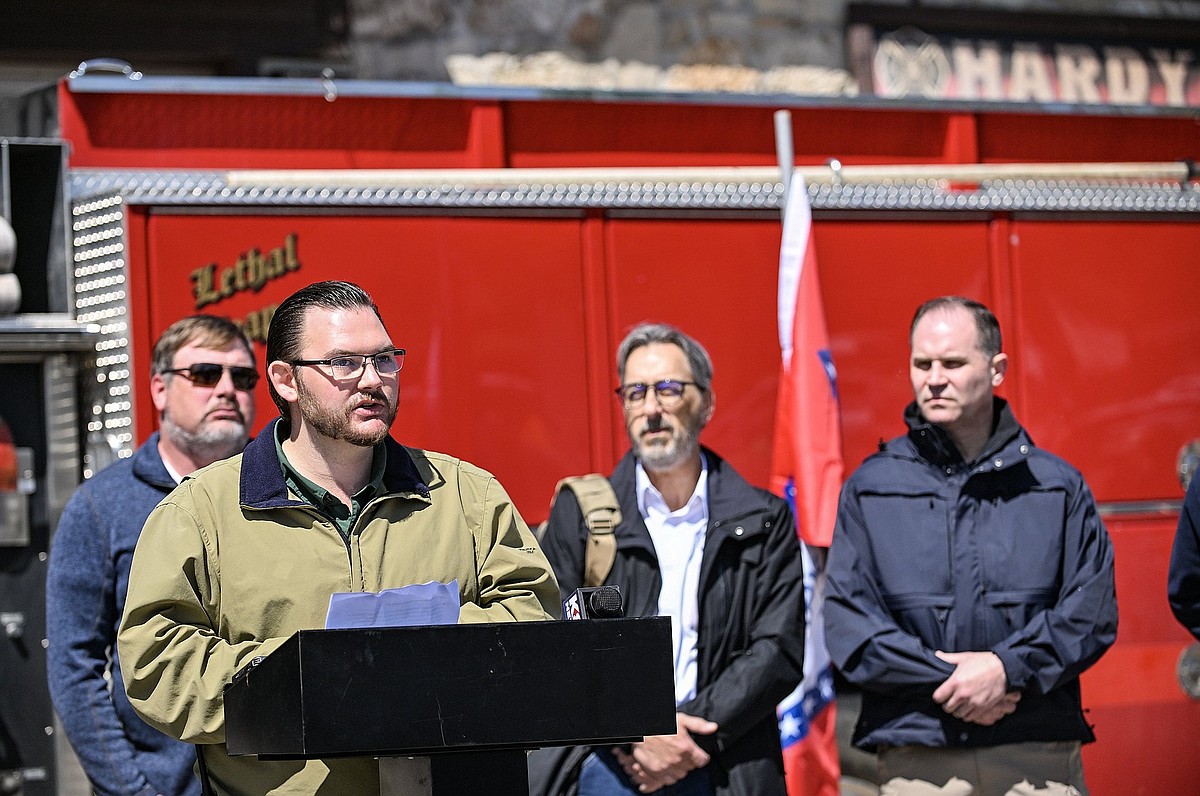
Hardy Mayor Ethan Barnes Waves Confederate Flag at Football Game
Hardy Mayor Ethan Barnes sparked a public firestorm on Nov. 5 after he waved a Confederate flag during...
Carson City Weather: Rain, Wind, and Snow Forecast as Temperatures Drop
Carson City residents will see mild temperatures give way to valley rain, mountain wind, and snow showers beginning...

LSU Keeps Golden Boot in Win Over Arkansas as SEC Expulsion Vote Looms
Three LSU offensive linemen and a tight end lifted The Golden Boot in the northeast corner of the...