
The first big snow of the year has hit Southcentral Alaska, mirroring the cooling intensity of a state election cycle that refuses to reach a quiet conclusion.
Since the November 3 election, election officials have processed tens of thousands of additional ballots, moving several high-profile races toward a definitive—if complex—resolution. The Alaska Landmine reported that as of mid-November, the state is bracing for a retabulation of results scheduled for November 18.
Jonathan Kreiss-Tomkins is speaking at @rdcalaska now. He says their internal projections have him ending up at 51-52% when all the votes are counted. Lots of resource industry folks in the room very curious what he’s going to say and more importantly do as governor. #akleg pic.twitter.com/MlMrUgf28d
— Post by @alaskalandmine on X Willow. He
The shifting numbers have major implications for the executive branch and the composition of the state legislature. Jonathan Kreiss-Tomkins has climbed above the 50% threshold in the gubernatorial race, positioning him for an outright victory.
With his inauguration set for December 7, the incoming administration faces a tight timeline; the state’s draft budget is due December 15, forcing the new governor to manage a transition period while relying on the framework left by Governor Mike Dunleavy before proposing substantial amendments by February 15.
The Mechanics of Ranked Choice Voting
While some candidates have secured clear leads, many legislative contests remain in limbo, waiting for the Division of Elections to apply the state’s ranked choice voting system. This process, which redistributes second-choice votes when no candidate hits 50% in the initial round, is set to determine the outcome in a variety of closely contested districts.
.@RepNickBegich looks like he’s hosting the nightly news with his video for @rdcalaska 😂 pic.twitter.com/yz9b0lgUfl
In the U.S. Senate race, Mary Peltola currently sits at 49.94%. Should she fail to cross the 50% mark with the final absentee ballots, the recycling of second-choice votes will be the deciding factor.
The Alaska Landmine said that the campaign dynamics, including the recruitment of secondary candidates, have left a cloud over the process, drawing comparisons to other legislative races where the math of ranked choice voting is expected to consolidate leads for incumbents like Representative Nick Begich.
Legislative Races to Watch
The balance of power in the Senate appears headed toward an 11-9 split, but individual district results remain fluid. The Alaska Landmine highlighted several key seats where the final count on November 18 will determine the legislative majority’s strength:
- Senate District M: Senator Cathy Tilton currently holds a lead over Republican challenger Ryan Berry, with Democrat Pat Chesbro’s second-choice votes poised to act as the deciding factor in this contest.
- House District 6: Representative Sarah Vance leads independent Brent Johnson by 13 votes out of 9,650 cast, a margin that looks like it will go to an automatic recount.
- House District 24: The race between former Republican Representative Ken McCarty and Gina Wall is similarly tight, with only 23 votes separating the two candidates out of 7,470 cast, which looks like it will go to an automatic recount.
Other races, such as House Districts 29 and 30, are also trending toward automatic recounts as the final ballots are processed. In these instances, the difference between candidates is often measured in a handful of votes, highlighting the weight placed on individual ballots.
Transition Planning and Administrative Hurdles
Beyond the ballot box, the machinery of state government is already being prepped for the January legislative session. Discussions regarding key appointments are circulating in Juneau, with rumors suggesting that longtime Senate finance aide Pete Ecklund is being looked at for director of the Office of Management and Budget under the incoming Kreiss-Tomkins administration.
Policy roadmaps are also taking shape. The Institute of the North held a dialogue in Girdwood that served as an unofficial Kreiss-Tomkins transition team meeting, generating a policy document intended to guide the next administration.
The week also saw a moment of friction regarding legislative leadership. Senator Jesse Bjorkman, who the Republican minority in the Senate decided to make their leader, has faced public criticism regarding his past interactions with John Hendrix.
As the state moves toward the November 18 retabulation, the focus remains on the narrow margins that will define the political reality of the coming year. Whether through the direct mandate of an outright win or the secondary calculations of the ranked choice system, the final tallies will set the stage for how Alaska addresses its budgetary challenges and resource development policies.
Related reading

Snow Removal Parking Ordinance Begins Sunday in Idaho Falls
The City of Idaho Falls officially transitions into its winter parking season this Sunday, Nov. 15, triggering a...
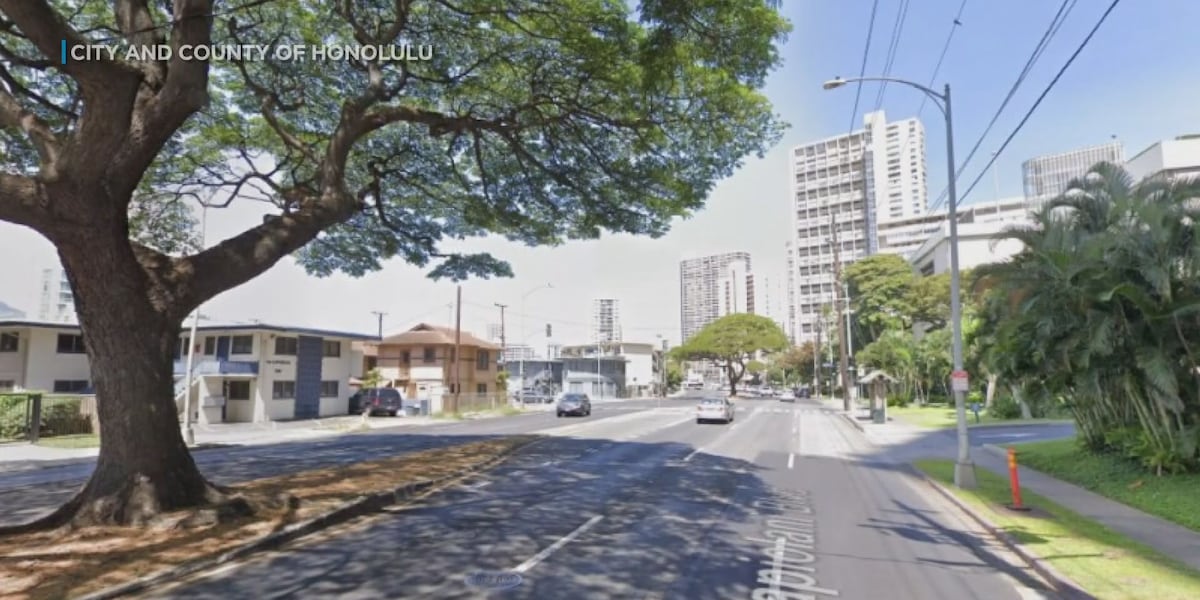
City to Begin Road Rehabilitation Project on Kapiolani Boulevard | Hawaii News Now
The City and County of Honolulu’s Department of Design and Construction is launching a $9.9 million road rehabilitation...

Jake Riley and Tyler Hough Celebrate Wedding in Riviera Maya
When Jake Riley and Tyler Hough first crossed paths at an Atlanta Halloween party five years ago, the...

Florida State Rep. Anthony Nieves – Biography – LegiStorm
Anthony Rafael Nieves serves in the legislature, where his official duties and biographical details are tracked by legislative...