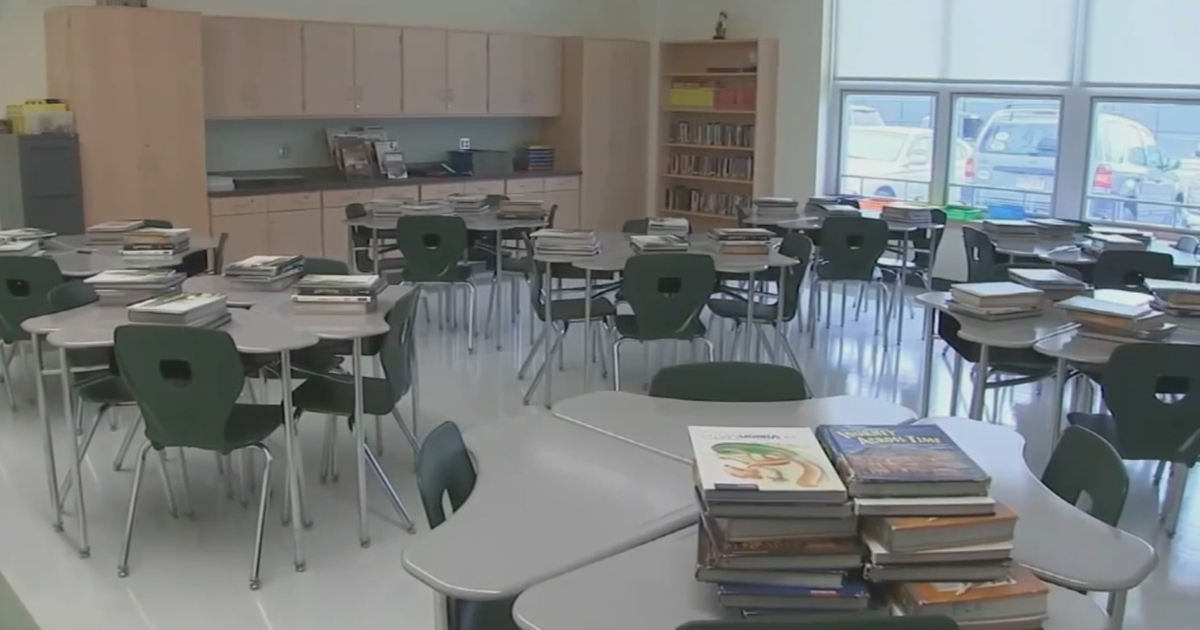
An Alaska legislative task force is moving to overhaul how the state funds its public schools, proposing a series of sweeping changes to enrollment counting and maintenance funding.
The Joint Legislative Task Force on Education Funding has released its recommendations following 18 months of study, according to reporting from youralaskalink.com.
The proposed changes aim to address long-standing disparities in how educational resources are distributed across the state. If adopted, the recommendations would fundamentally change how school districts from Anchorage to the most remote rural communities manage their finances.
The task force’s recommendations focus on four primary pillars of school operations. These include establishing a formal definition of what constitutes adequate school funding and updating the methodology used to count student enrollment.
The group is also pushing for changes to infrastructure and utility support. This involves fully funding the Energy Cost Reimbursement Program and revising the current system for handling school maintenance.

For many Alaskan districts, energy costs represent a disproportionate share of the operating budget due to the state’s geography. Fully funding the reimbursement program could provide much-needed relief to districts struggling with high heating and electricity expenses.
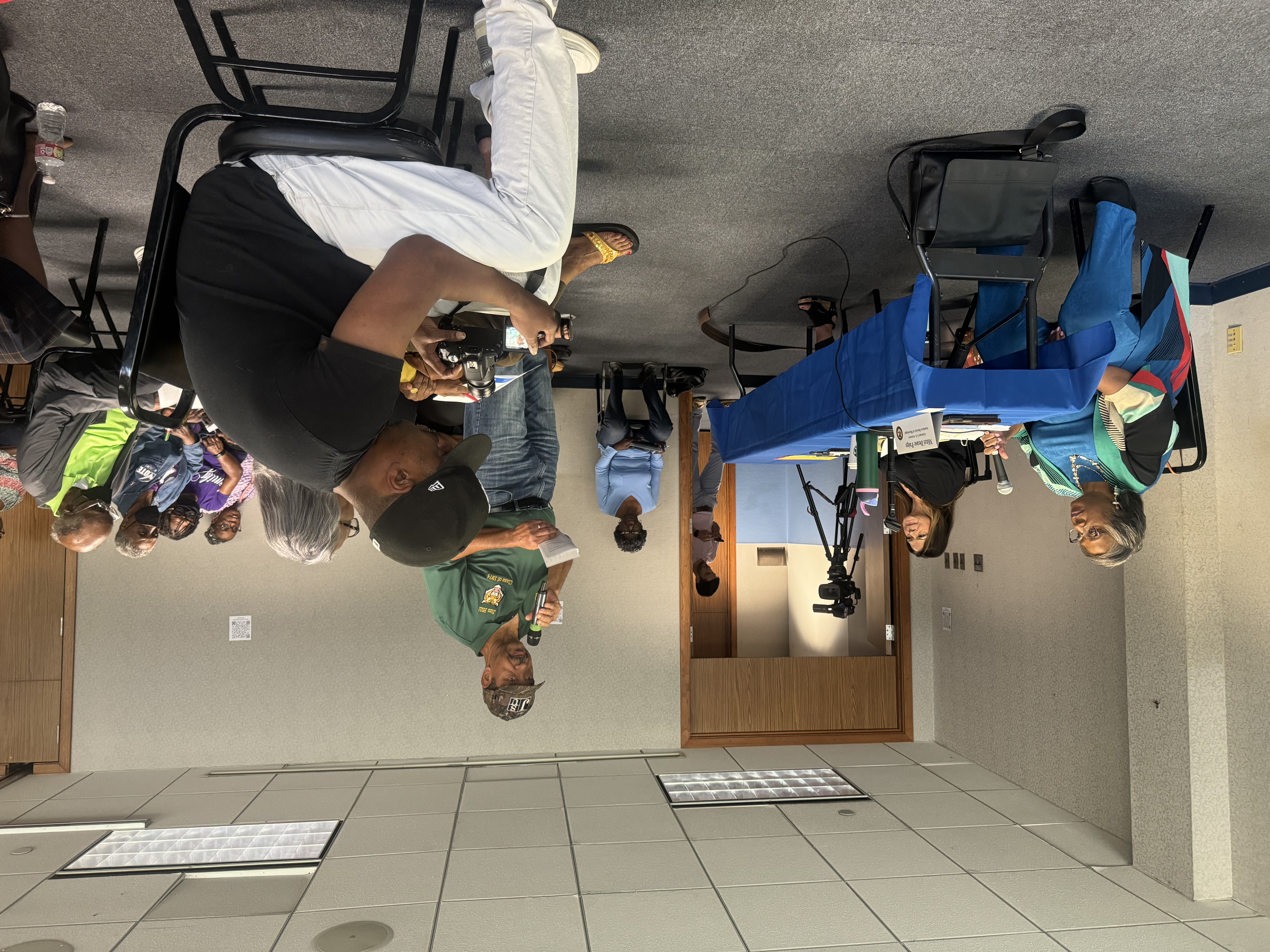
The task force is now entering a period of public scrutiny, providing residents 30 days to weigh in on the proposed shifts. A public testimony session is scheduled for Thursday, November 12.
Residents can participate in these sessions in person at locations in Anchorage, Fairbanks, Juneau, and Kenai. For those unable to attend in person, the task force is offering the option to participate remotely by phone.
Written feedback is also being collected to ensure a wide range of perspectives is included in the final report. All written comments must be submitted by December 8. Stakeholders can send their input via email to [email protected] or [email protected].
While the task force is nearing the end of its work, these recommendations do not carry the force of law. The group plans to finalize its official report before the start of the 2027 legislative session.
For any of these changes to take effect, they must pass the standard political process. The proposals will require formal approval from the Alaska State Legislature and the signature of the governor to become law.
The outcome of this process will likely determine how school districts manage their budgets and facility upkeep for years to come. The debate will likely center on how to balance the need for adequate funding with the state’s broader fiscal constraints.
Keep reading

Mayor Michelle Wu Proposes Zoning Changes to Boost Boston Housing Production
Boston Mayor Wu Proposes Partial Rollback of Inclusionary Zoning Rules Amid Stalled Development Boston Mayor Michelle Wu pitched...

MSU Students Use Art and Science to Shape East Lansing’s Urban Tree Canopy
Michigan State University students are turning the city of East Lansing into a living laboratory, blending the technical...

Portland Man Derek Edmond Heiner Arrested After Eugene Home Invasion
A 45-year-old Portland man remains in custody at the Lane County Jail following a violent home invasion in...

UMD Student and Mother Detained by ICE After Immigration Check-in
Maria Flores Garcia, a University of Maryland freshman and the valedictorian of Parkdale High School’s class of 2026,...