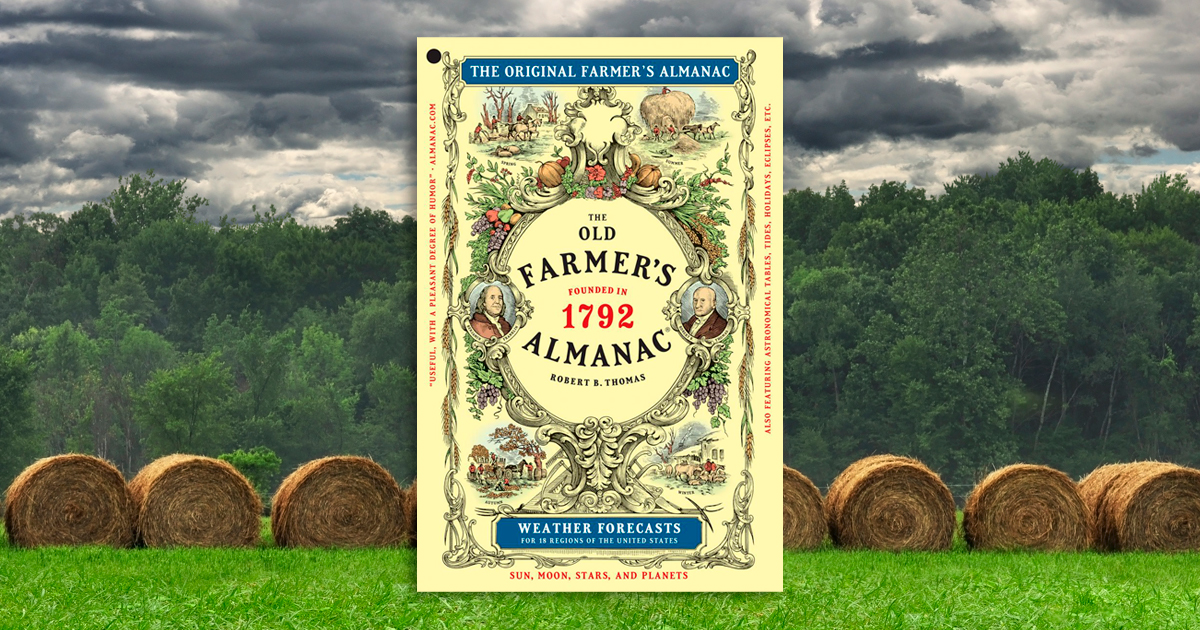
The calendar uses the gardener’s ZIP code to calculate planting windows tied to the average last spring frost and first fall frost for Montpelier. According to the Almanac, USDA zones describe winter temperatures and help gardeners choose perennial plants, whereas spring and fall frost dates determine when gardeners can plant vegetables.
That is why the calendar uses frost timing and “generations of Almanac experience” to provide more accurate planting dates for annual plants.
Each row in the chart covers a different vegetable. Columns indicate when to start seeds indoors to get a head start in colder climates or for crops needing a long growing period, when to transplant seedlings outdoors once weather and soil have warmed, when to direct sow seeds into the ground for plants that do not like being moved, and the last recommended planting date for the season.
The Almanac notes these are starting windows, not guarantees, and that weather varies year to year. Cool-season crops such as lettuce and tender greens may need to pause during hot summer weather before resuming growth in cooler conditions.
Entries marked “N/A” indicate that a starting method is not typically recommended for that crop. Crops whose last planting date has passed appear greyed out.
An optional toggle allows gardeners to view moon-favorable dates aligned with lunar phases, a feature the Almanac says does not change the frost-based planting windows. Flower planting dates are handled separately because many flowers depend on hardiness, growth speed and whether they are annuals, perennials or bulbs, not just frost dates.
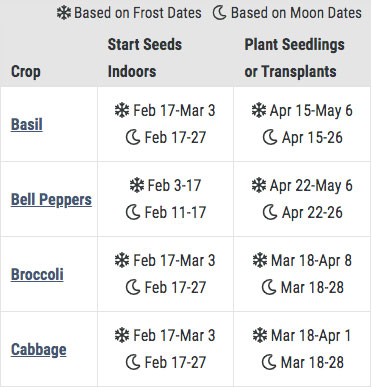
The guide emphasizes that gardeners do not need to plant on the earliest date shown but should ensure planting occurs before the last planting date so crops have time to mature before frost.
Related reading

Glancy Funeral Homes Reports Deaths of Teen, Infant in Wells, Adams Counties
Dominic David Pence, 15, of rural Hartford City, Indiana, died Monday at IU Methodist Hospital in Indianapolis, one...

Bechtel Invests $1M in Wyoming Colleges, Launches Campaign to Expand Skilled Trades Training
Nearly half of Wyoming high school students have never considered a skilled-trades career, even as 89 percent of...

Bucks Snap 13-Game Losing Streak, Beat Raptors 116-111 Behind Herro’s 32 Points
Milwaukee Bucks snapped a 13-game losing streak with a 116-111 victory over the Toronto Raptors on Monday night...

Tennessee House Republicans Nominate Sexton for Fourth Term, Pick New Caucus Chair
Tennessee House Republicans unanimously nominated Speaker Cameron Sexton for a fourth term Thursday, keeping the chamber's top leadership...