
By 10:30 p.m. on Tuesday, November 3, Colorado’s experiment with a flat income tax hung by fewer than 20,000 ballots, summitdaily.com reported, as early returns from the Colorado Secretary of State’s Office showed Amendment 87 passing with 50.5% of the vote in a contest that will replace the state’s uniform 4.4% rate with a graduated system.
The margin—less than 20,000 votes out of just shy of 2 million cast—meant “yes” votes outnumbered “no” votes by a whisker, summitdaily.com reported, leaving the constitutional amendment’s fate technically unresolved until more results arrive Wednesday, November 4. Both Amendment 87 and its rival measure required only a simple majority to pass, making every remaining ballot potentially decisive in a state where the difference between victory and defeat amounts to less than one vote per hundred cast.
For a state that has long stood apart as one of just 15 states maintaining a flat tax rate, the shift represents a fundamental restructuring of how Colorado funds its government. While the federal government, 27 states, and Washington, D.C. already use graduated income taxes—and eight states levy no income tax at all—Colorado voters appeared poised Tuesday night to join the majority in taxing higher earners at higher rates rather than applying a single percentage to every paycheck.
A Graduated System and $2 Billion for Schools and Healthcare
Under Amendment 87, the vast majority of Coloradans will pay less in state income tax, while the top percentage of earners will face higher rates, according to the official ballot information booklet. The measure is projected to generate more than $2 billion for the state government to spend on healthcare, education, and childcare. The shift away from the flat tax marks a departure from Colorado’s long-standing fiscal identity, as the 4.4% rate has served for years as a cornerstone of the state’s Taxpayer Bill of Rights.
The campaign was led by the Protect Colorado’s Future Coalition, which brought together progressive think tanks including the Bell Policy Center and Colorado Fiscal Institute alongside advocacy groups such as the Colorado Organization for Latina Opportunity and Reproductive Rights, the Colorado Consumer Health Initiative, the Colorado Cross-Disability Coalition, Hunger Free Colorado, and the Colorado PTA.
Proposition 136 Falls Short by 115,000 Votes
While Amendment 87 squeaked past the 50% threshold, Proposition 136—a competing measure that would have capped the state income tax at the existing 4.4% rate—failed by a comfortable margin, summitdaily.com reported. Early results showed 1,040,427 “no” votes compared to 925,198 “yes” votes, a gap of more than 115,000 votes with only about 47% support.
Brought by Advance Colorado, a conservative think tank that sponsored nearly half of the ballot measures before voters this election cycle, Prop 136 was designed as a direct countermeasure to Amendment 87. The group argued that maintaining the flat tax rate would preserve Colorado’s position within the Taxpayer Bill of Rights and protect the state’s business climate. Had both measures passed, the state would have faced immediate legal questions requiring judicial resolution, according to the official ballot booklet, but with Prop 136’s failure, that constitutional collision is now avoided.
Who Bears the Burden, Who Gets Relief
Households earning below the top tier will see their tax obligations decrease under the graduated structure, while the state’s highest earners will contribute more to the $2 billion revenue pool earmarked for public services. For everyday Coloradans, the change means smaller paycheck deductions; for wealthy residents and business owners at the top of the scale, it means larger annual contributions to state coffers.
The defeat of Prop 136 removes the legal ambiguity that would have arisen if voters had approved both measures. With only Amendment 87 advancing, the path is clear for the graduated system to take effect without immediate court challenges over conflicting constitutional provisions.
Final Tally Expected Wednesday
Election officials stressed that Tuesday night’s numbers remain preliminary. The Colorado Secretary of State’s Office is scheduled to release updated results on Wednesday, November 4, and the final certification will determine whether the 50.5% margin holds or shifts. Given that nearly 2 million votes were cast and the margin sits below 20,000, the outcome remains mathematically fluid until every ballot is counted.
For a state that has taxed every dollar earned at the same 4.4% rate, the difference between Tuesday night’s result and defeat comes down to a fraction of a percent. As Wednesday’s count unfolds, Colorado will learn whether its flat tax era truly ends, or whether the razor-thin margin shifts enough to keep the uniform rate in place.

Jon Echols wins Oklahoma attorney general race over Nick Coffey
Jon Echols Takes Oklahoma Attorney General's Race, Vowing a "Safer, Freer, Stronger Oklahoma" Republican Jon Echols is set...

In a column, the writer argues that the Christmas season begins earlier and earlier every year
Christmas Before Thanksgiving in Bismarck In a column, the writer argues that the Christmas season begins earlier and...

Five DSA candidates win seats in U.S. House of Representatives
Five candidates endorsed by the Democratic Socialists of America won seats in the U.S. House of Representatives on...
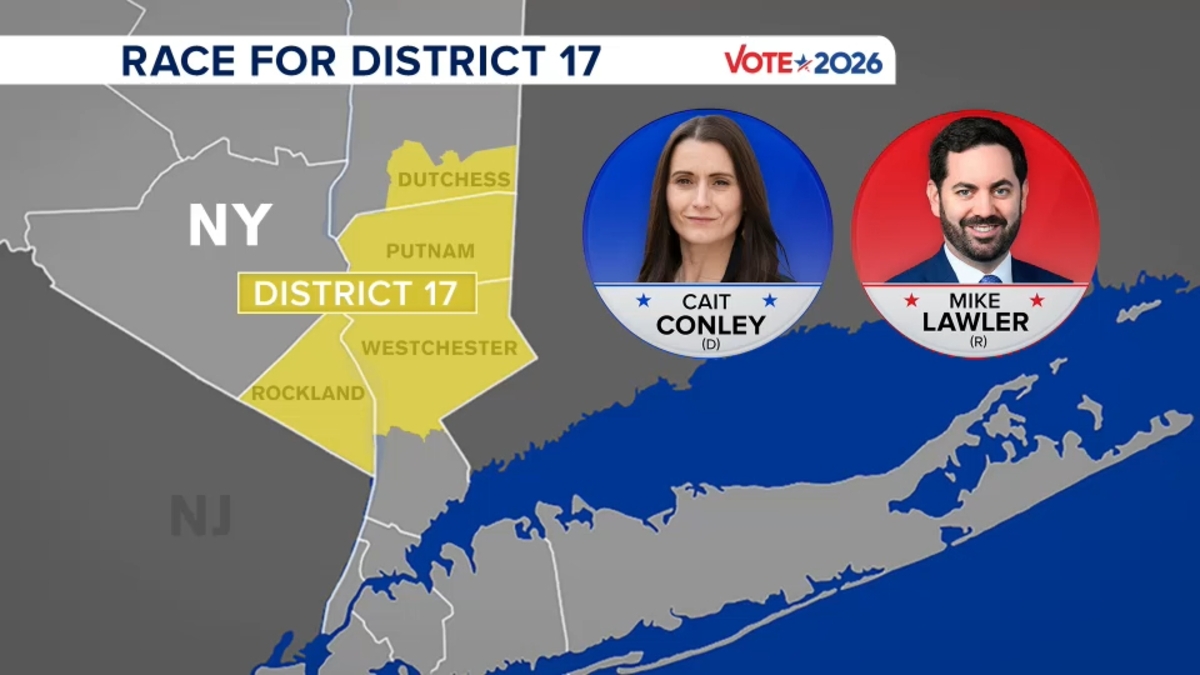
Cait Conley Defeats Mike Lawler in New York 17th District Race
Mike Lawler Concedes to Cait Conley, Flipping New York's 17th District to Democrats Republican incumbent Rep. Mike Lawler...