
In a column published on NPR, Pulitzer Prize-winning journalist Mona Chalabi explores why financial security can feel so elusive.
The Bottom Line: Chalabi spent five years following Americans across various income deciles to examine wealth inequality.
- Virtually every subject in the book expressed deep worry about their financial future regardless of income level.
- The study highlights how generational wealth and family support systems dictate long-term economic security.
Chalabi’s new book, Ten Lives: How What We Have Shapes Who We Are, explores why financial security feels elusive for both low-income earners and high-earning professionals. NPR reported that the author followed 10 individuals ranging from those living paycheck to paycheck to people earning hundreds of thousands of dollars annually.
“It’s called 10 Lives because I specifically didn’t just want to focus on the 1%,” Chalabi told NPR. “Instead I wanted to talk about how the 99% of us aren’t all in it together, and the kind of power differentials between us.”
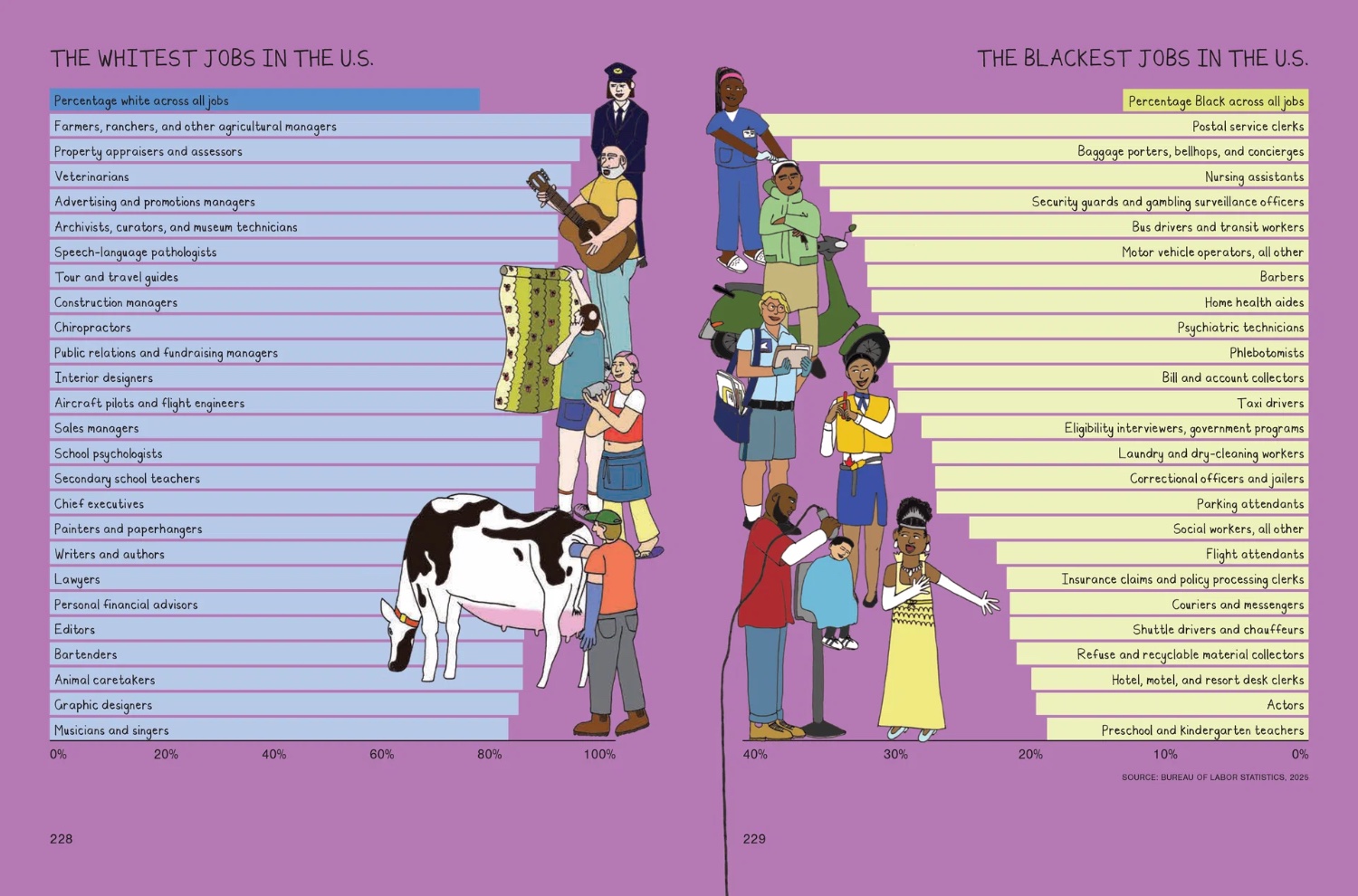
The Guardian said that the subjects represent ten equally sized groups dividing the U.S. income ladder. Jacob, a New York investment banker earning more than half a million dollars a year, sits in the 10th decile, while Kristina occupies the fifth decile with a household income between $59,000 and $75,000, and Levi represents the third decile earning between $35,000 and $46,000, according to the Guardian.
Despite these wide disparities, Chalabi observed that nearly everyone profiled felt the same anxiety. “Across the board, everyone just seemed to be expressing this feeling of panic that I think is really, really particular to U.S. capitalism, which is an incredibly precarious and cruel system where you are one crisis away from experiencing a real economic shock,” she told NPR.
Many individuals profiled by Chalabi identified as middle class regardless of their actual earnings. NPR reported that this disconnect leads people to use clothing or cars to signal wealth and avoid social discrimination tied to poverty.
Kottke.org said that the book examines how wealth shapes choices, identities, and the structural systems keeping people in specific economic brackets. Chalabi emphasized that true financial security relies heavily on parental support and family wealth during emergencies.
Dating patterns and inheritance further reinforce economic inequality. NPR highlighted a study by the National Bureau for Economic Research showing that Americans increasingly select partners with similar educational backgrounds, which heavily influence income levels. Chalabi said that who people date and what they inherit remain two major drivers of national inequality.
Hyperallergic said that Chalabi also documented her own financial vulnerabilities, particularly when managing heavy medical expenses after her mother suffered a stroke in the U.K.
Disclaimer: The information provided in this article is for educational and market analysis purposes only and does not constitute financial, investment, or legal advice. Always consult with a certified financial professional before making investment decisions.
Keep reading

Tax Retreat Opens Registration for 2027 Minneapolis Event
Registration is officially open for the fourth annual Tax Retreat, which will take place July 28–31, 2027, at...

Woman Dead, Man Injured in Detroit East Side Double Shooting
A double shooting on Detroit's east side left a woman in her 20s dead and a man in...

Boston Celtics face Philadelphia 76ers at Xfinity Mobile Arena
Just ten games into the 2026 season, the Boston Celtics travel to face the Philadelphia 76ers for their...
Dr. Enrico Novelli to Lead Sickle Cell Disease Care in Maryland
Dr. Enrico Novelli has taken the helm of a major regional effort to transform care for patients with...