A Half-Century of Campaigns Ends With Minnesota’s First Female Governor
For decades, Minnesota stood out as one of just 17 states that had never elected a woman to be its governor. As of Tuesday, that list is a little shorter. Amy Klobuchar won the race for governor, shattering the state’s highest glass ceiling and marking a historic political shift, MPR News reported. Her victory over Republican House Speaker Lisa Demuth not only secures the DFL Party’s hold on the governor’s office for a fifth consecutive term but also fulfills a long-sought goal for generations of female Minnesotans who pursued the state’s top job.
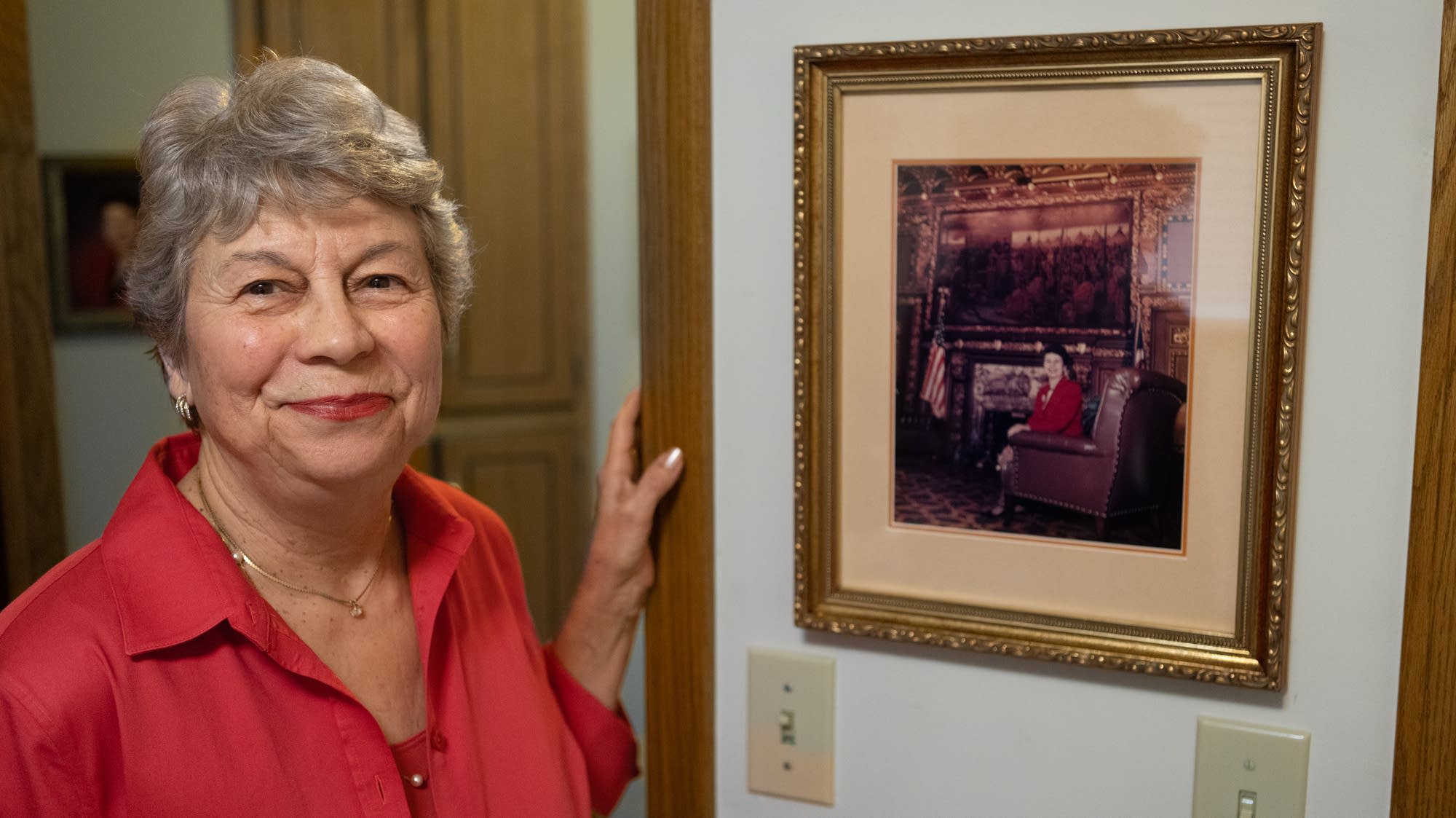
This wasn’t just another election; it was the culmination of a journey. At least a dozen women have run for Minnesota governor since the 1990s, each one paving the way for the next. The first serious contender was former Lt. Gov. Joanne Benson, who took her shot in 1998. Almost 30 years later, Benson, 83, says she is thrilled to see the historic milestone finally reached. “It was about time that Minnesota joined the ranks of the other states that have had women and men governors,” Benson told MPR News. “So it’ll be an interesting time for all of us.”
The significance of Klobuchar’s win extends far beyond personal achievement. It sends a powerful message to a new generation. “If you can see it, you can do it,” says Margaret Anderson Kelliher, a former DFL House speaker who ran for governor in 2010 after a string of Republican governors.
Paving the Way: The Women Who Came Before
The road to this historic moment was paved by women who faced different challenges in different eras. Benson’s own story shows how perceptions of women in leadership have changed. She recalled a 1986 state senate race she narrowly lost, where her opponent used her demeanor against her. “The thing that my opponent held against me was that I was too nice,” Benson said. “At that time, being a woman, I think, was looked at as, ‘She’s too nice, therefore she will not be effective.’” Her response was firm: “I am nice, but I also know how to do the job.”
When Benson ran for governor in 1998, she didn’t focus on her gender as her primary qualification. “I ran with the idea that I could provide a lot of expertise in the office,” she explained. She entered the race as a frontrunner for the Republican nomination until St. Paul Mayor Norm Coleman entered and won the party’s endorsement at the state convention. Benson withdrew, but she doesn’t believe being the first woman candidate was a detriment. “I think it was looked at as kind of an interesting and exciting possibility,” she said.
For Patti Anderson, who ran for governor in 2010 as a “Libertarian-style Republican,” the world had changed significantly. While she said being a woman wasn’t her main motivation, she acknowledged it was harder to run for executive office as a woman 16 years ago. “People look at a governor as an executive, and there are generally less women in those roles,” she said. “The world has changed a lot, and women are filling a lot of the more executive-style roles across business, government and other states. I simply think it is much more accepted that a woman can and should be in this.”
A New Governor, a State on the Brink
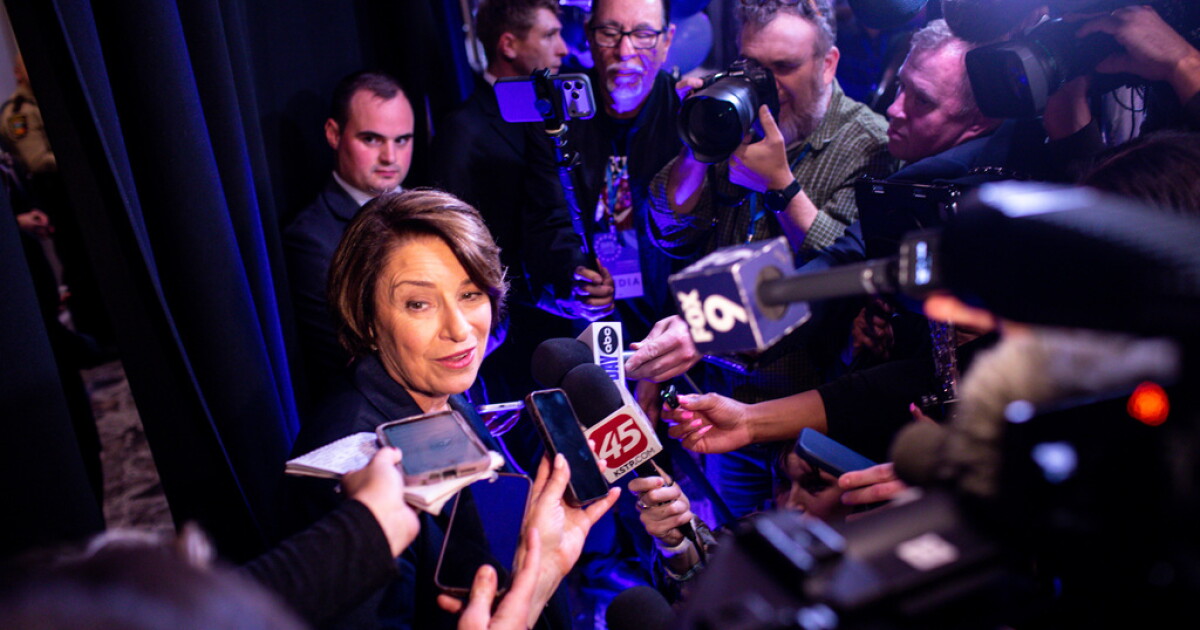
Klobuchar, 66, brings an unparalleled level of experience to the governor’s office. She has served as a U.S. senator for 20 years, was a 2020 presidential candidate, and was the first woman to be elected Hennepin County attorney, making her a fixture in Minnesota politics for decades. “I am going to be a governor, not just for the people that voted for me, but for all of Minnesota,” Klobuchar told reporters before the race was officially called. “When I said that I do not like the status quo, I meant it. We have a lot of work to do, and it’ll start tomorrow.”
Her arrival comes at a critical moment. She inherits a state grappling with complex and protracted challenges. The aftermath of rampant fraud in Minnesota’s social safety net programs continues, with authorities executing search warrants on autism treatment providers just days before the election. Klobuchar has promised to audit state government as she takes office. The state also faces stagnant student test scores, a population that is barely growing, and a housing crisis where younger Minnesotans cannot afford starter homes. The Trump administration’s immigration crackdown has also stymied a key influx of workers in agriculture and construction.
The financial picture is equally demanding. Klobuchar will have until the third Tuesday in February 2027 to craft and submit a two-year budget to the Legislature—a tight deadline of about 15 weeks. Minnesota’s spending is rising faster than its revenue, creating a structural imbalance. While the state has a massive rainy day fund, rising healthcare costs, potential federal cuts, and slow economic growth could force lawmakers to dip into those reserves. Klobuchar has said she will not raise taxes, making the budget negotiations a significant test of her political skill.
The Path Forward
While there is widespread celebration for Klobuchar’s historic win, there is also a recognition of the tough road ahead. Kelliher noted that the first woman in such a high-profile role faces a different kind of scrutiny. “It will be hard for the person who’s the first woman governor,” she said. “It will be because there is different scrutiny on women, and I just really hope that we stay focused on the policies and the practices that are happening.”
Benson, a lifelong Republican, said she couldn’t help but be disappointed that fellow Republican Lisa Demuth didn’t win. Still, she offered her best wishes to Klobuchar. “I knew her from way back when,” Benson said. “She was known. Being known makes a difference.” State Rep. Patti Anderson, also a Republican, expressed a similar sentiment of cautious optimism. “Frankly, I have great hope that Sen. Klobuchar will be a good governor,” she said. “She’ll be involved heavily in managing the state and making some changes, because we’ve needed that.”
The election of Minnesota’s first female governor is a landmark event. It closes a chapter for the women who fought for decades to make it possible and opens a new one for the state. The question that now looms is whether Klobuchar can deliver on her promise to clean up the state’s problems and build bipartisan consensus. Her administration, beginning with her swearing-in on January 4, 2027, will be the ultimate test of her long-standing reputation as a determined and effective leader.

Anchorage Police Shoot Burglar Who Fired Gun During Arrest
Anchorage Police Chief Reveals Suspect Stole Hundreds of Keys Before Fatal Shooting On October 29, 2026, a 33-year-old...

S&P 500 Loses $3 Trillion on Fears of AI Regulatory Crackdown
SINGAPORE – Asia's tech-heavy markets face a brutal Friday after a rout in US AI stocks, triggered by...

Alabama Appeals Court to Decide if Panhandling Laws Violate First Amendment
Alabama Fights to Revive Panhandling Bans After Unconstitutional Ruling Alabama is making a legal push to reinstate its...

It’ll affect schools and teachers and part of those families that are working in other industries
"It'll affect schools and teachers and part of those families that are working in other industries that aren't...