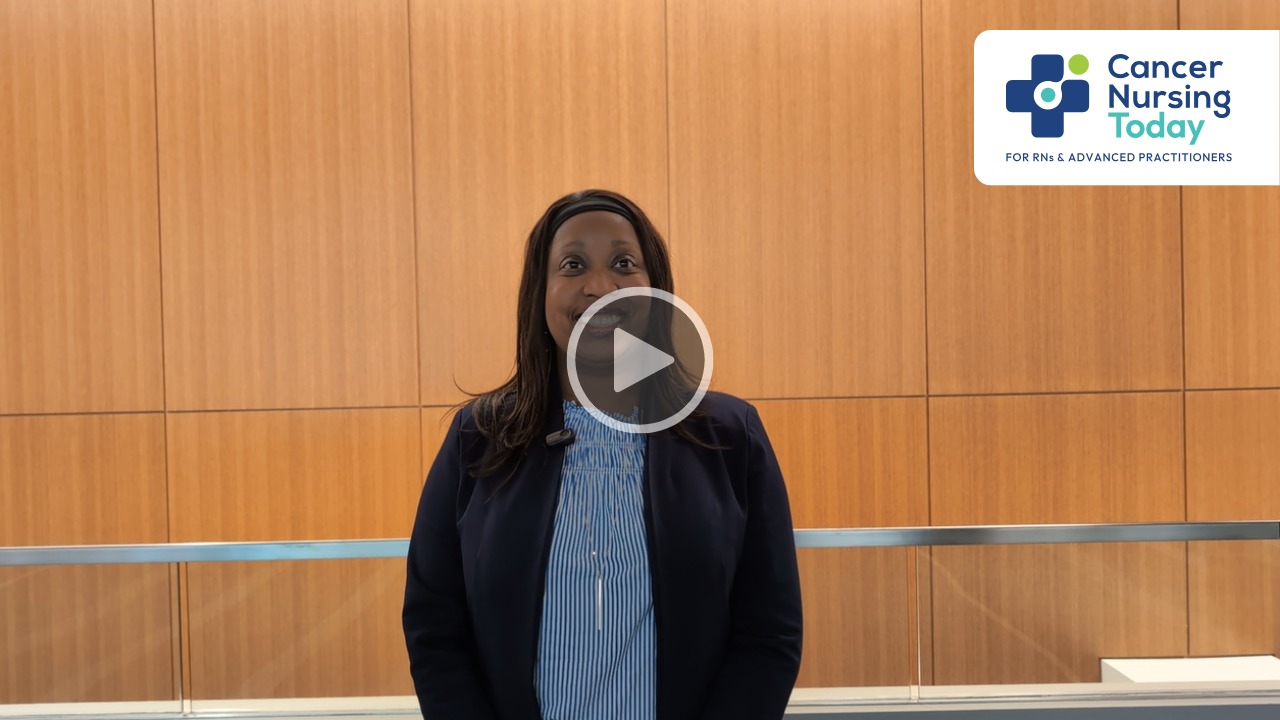
Amy Pierre, a nurse practitioner specializing in multiple myeloma and lymphoma and Senior Clinical Director at Flatiron Health in Real-World Evidence Solutions and Research Oncology, argues that advanced practitioners are the “heart” of cancer centers, a conviction she laid out in a conversation with Cancer Nursing Today published from JADPRO Live 2026.
The annual meeting of the Advanced Practitioner Society for Hematology and Oncology (APSHO) opened this week with the theme “APs at the Heart of Cancer Center Care.” Pierre, who has attended every year since 2014 and chaired the conference in 2023, said the designation reflects the breadth of the role: patient care, communication, education, and care coordination on the front lines of diagnosis and treatment.
“We are on the front lines of the hardest part of many patients’ lives, and given the myriad roles we serve as APs, we’re truly the heart of the cancer center.”
Pierre told the outlet. She pointed to the opening session by Conference Chair Amber Kohler, titled “The Human Edge of Oncology,” as a distillation of the profession’s core value — leading with connection, courage, and compassion.
The clinical sessions at this year's meeting show how rapidly the treatment paradigm is moving. Pierre singled out data on iberdomide, a novel oral therapy for multiple myeloma that has shown activity even in patients previously exposed or refractory to traditional immunomodulatory agents.
What makes the agent notable, she said, is activity in patients whose disease has progressed after standard immunomodulatory drugs (IMiDs) like lenalidomide and pomalidomide. That profile addresses a persistent clinical gap: overcoming resistance to the backbone of myeloma therapy for the last two decades.
“We are really privileged to witness a transformative era for patients with myeloma. A novel therapeutic pathway emerges every year, and we continue to redefine this diagnosis, turning what was a formidable, scary illness into more of a manageable chronic disease.”
Pierre said.
The drug-update session — a staple of JADPRO Live — catalogued a cluster of recent regulatory actions that are already changing front-line and relapse algorithms:
- Daratumumab for high-risk smoldering myeloma, converting a watch-and-wait paradigm into early intervention.
- Teclistamab plus daratumumab, a bispecific antibody combination deepening responses in relapsed settings.
- Subcutaneous isatuximab, reducing infusion time and clinic chair occupancy.
- Belantamab mafodotin re-emerging in triplet combinations after its 2022 U.S. withdrawal, now paired with agents that mitigate ocular toxicity.
Each expansion, Pierre noted, translates directly into more treatment sequences, better quality of life, and renewed hope for patients who would have exhausted options a few years ago.
Pierre serves on the APSHO Board of Directors, its Patient Advocacy Council, and founded the organization’s DEI committee. She argued that dedicated conferences remain essential because oncology APs face unique clinical, educational, and emotional demands that general oncology meetings do not fully address.
Tailored education matches the scope of practice — prescribing, managing complex toxicity, leading goals-of-care conversations — while the community aspect combats isolation in a workforce that often operates in small teams across disparate clinics. Pierre said these specialized spaces empower APs, renew their passion, and elevate the standard of care they deliver to their patients every day.
Pierre’s own trajectory — from first-time attendee in 2014 to conference chair in 2023 to Flatiron Health leadership in real-world evidence — illustrates the career arc that structured AP communities can support.
Related reading
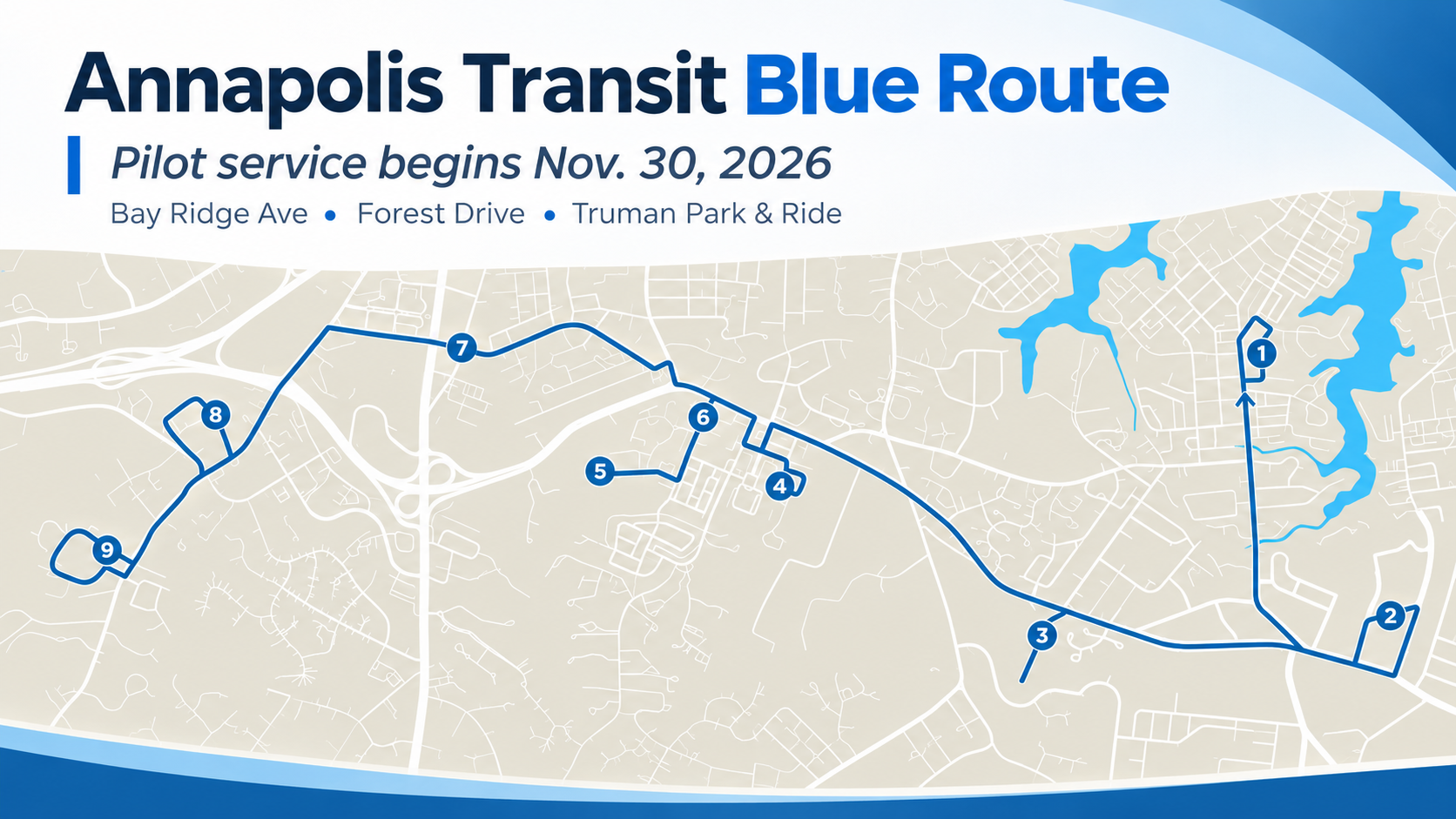
Annapolis Transit to Launch New Blue Route Bus Service November 30
Annapolis Transit will debut a new Blue Route bus line on Monday, November 30, linking Eastport, Forest Drive...

Bayhealth Completes Blue Hen Purchase for Outpatient Campus
Bayhealth paid $19.1 million last week to buy the 304,706 square feet of the Blue Hen Corporate Center...

Republican Begich Wins Alaska House Seat After Ranked-Choice Count
Rep. Nick Begich held Alaska's lone House seat Wednesday, surviving a Democratic sweep that flipped the Senate seat...

Gov.-elect Mazzei Announces Three Inaugural Balls Across Oklahoma
Oklahoma Governor-elect Mike Mazzei will mark his inauguration with three balls across the state in January, kicking off...