
A 1944 circus fire in Hartford, Connecticut, killed at least 167 people and injured hundreds more when flames spread rapidly through a tent, trapping thousands of spectators as exits became congested and animal cages blocked escape routes.
The fire broke out shortly after the Ringling Brothers and Barnum & Bailey Circus afternoon performance began on July 6, 1944. Within minutes the big top was devastated, and the exact cause was never definitively established, though investigators considered a discarded cigarette or match and possible arson.
The disaster before the disaster
Emergency management analysis of the Hartford fire emphasizes that the initiating event is rarely the entire story. The tent’s waterproofing mixture of paraffin wax and gasoline contributed to the rapid fire spread, while blocked exits, insufficient emergency personnel, and animal cages obstructing escape routes were vulnerabilities present before the emergency occurred.
“A blocked exit does not become a problem because an emergency occurs. It was a problem before the emergency. The emergency simply reveals how consequential that problem can become,” the LinkedIn analysis says.
Band played warning tune spectators did not recognize
After the fire was detected, bandleader Merle Evans directed musicians to play “Stars and Stripes Forever,” a predetermined signal to circus employees that something was seriously wrong. The signal worked for staff, but thousands of spectators did not recognize the warning or understand the danger.
“There was a warning system. There were people who understood what the warning meant. The difficulty was that thousands of spectators also needed to recognize the danger, understand what was happening, determine where safety was located, and move quickly enough to reach it,” the report says.
Evacuation planning beyond diagrams
Hartford demonstrates why evacuation planning cannot consist only of placing exits on a diagram. Planners must consider whether exits remain accessible, how people reach them, what creates congestion, alternatives if primary routes fail, and how large crowds react when thousands attempt to move simultaneously.
“People experiencing an emergency do not possess the situational awareness available to someone looking at a floor plan or emergency operations plan. They may have incomplete information. They may follow other people. They may attempt to remain with family members. They may return toward a familiar entrance rather than move toward an unfamiliar exit. They may hesitate because they do not understand the severity of the situation,” the analysis says.
The emergency manager’s advantage
Modern emergency management frameworks emphasize preparedness, prevention, life safety, interagency coordination, incident management, emergency communications, mass-casualty planning, and identifying hazards before events occur. The most important difference from 1944 may be what happens before anyone enters a venue.
“Our responsibility cannot begin at the moment something goes wrong. Preparedness should begin while there is still time to identify a vulnerability, correct a problem, coordinate resources, develop contingency plans, and determine what will happen if the primary plan fails,” the report says.
Worth a look

Falcons Release LB Christian Harris, Sign S Jammie Robinson
The Atlanta Falcons released linebacker Christian Harris on Monday and signed safety Jammie Robinson to the active roster...
Trump Orders Army to Halt Iowa Lead Azide Detonation Pending Court, Governor-Elect Agreement
President Donald Trump ordered the Army on Monday not to detonate 68 barrels of degraded lead azide at...
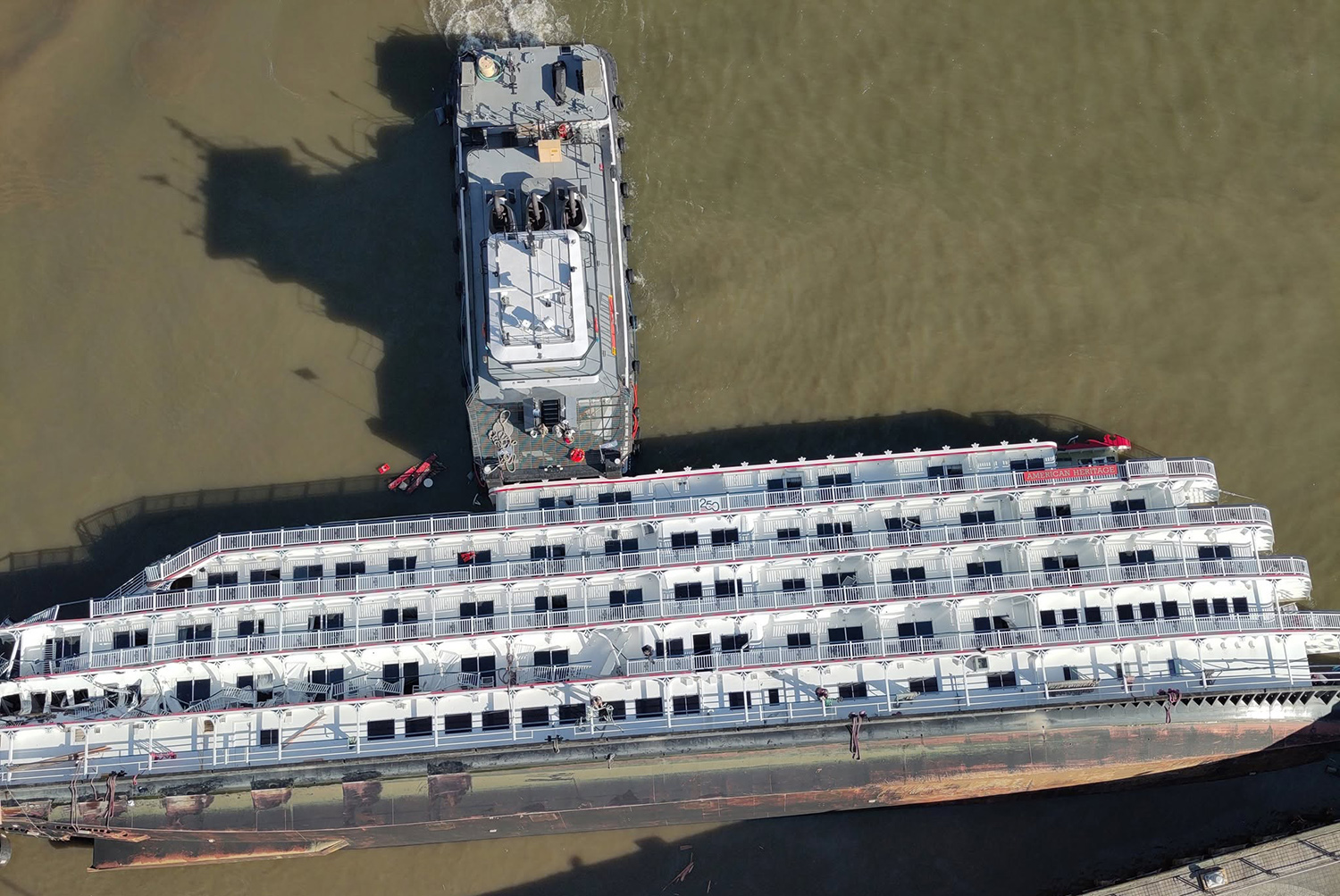
Towboats Lead Rapid Rescue After Tanker Capsizes Riverboat on Mississippi River
“When something goes wrong on the river, the first boats you usually see on scene are towboats and...

Jokić, Murray Lead Nuggets Past Bulls in OT Thriller; Both Stars Make History
Nikola Jokić and Jamal Murray rewrote the partnership record books while outlasting a historic night from Josh Giddey,...