
The Anchorage Youth Vote club mock election awarded Peltola 59.66% of the ballots cast against the official 50.13% U.S. result.
The Anchorage Youth Vote club's latest mock election showed a disconnect between student sentiment and the 2026 U.S. results.
Senate race. On Saturday, November 21, 2026, the organization presented its findings at Bosco’s, detailing how 3,128 local middle and high school students cast their ballots in a simulation of the recent statewide contest.
The data shows a clear preference among the younger demographic that did not align with the broader electorate. While Mary Peltola secured 50.13% of the official U.S. Senate vote, the student mock poll awarded her 59.66% of the ballots cast. This gap of nearly ten percentage points highlights a recurring theme in youth civic engagement: the political priorities of developing voters often diverge from those of the general population.
By placing students in the shoes of voters, the club aims to foster a habit of assessing policies rather than just names on a ballot. This approach is intended to build the foundational skills necessary for informed participation in future official state elections.
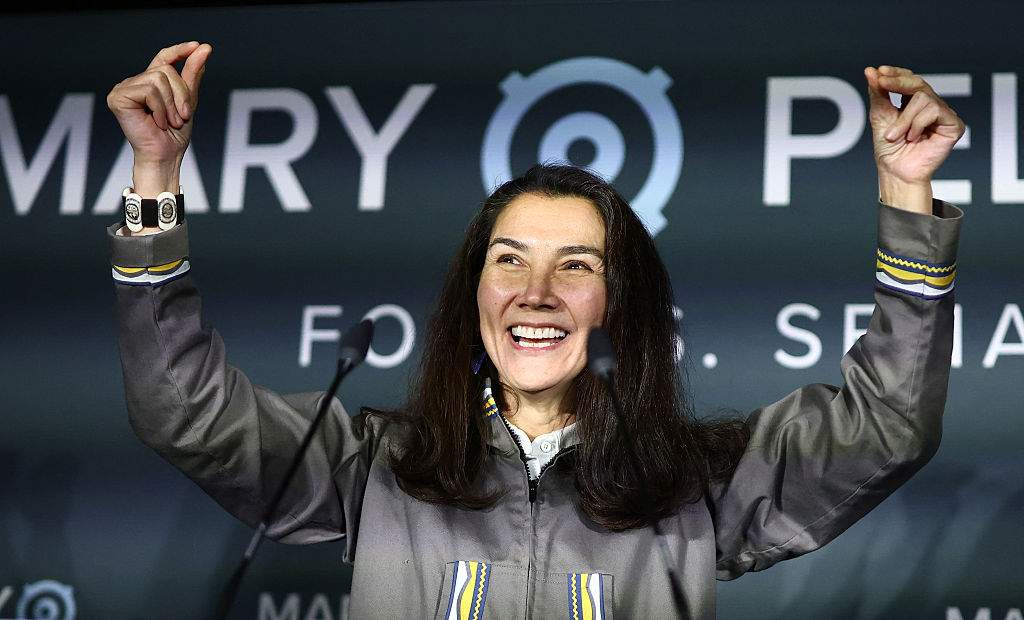
Participation numbers for the mock election saw a notable decline compared to the previous cycle. In 2024, the club polled over 4,000 students, a figure that dropped to 3,128 for this year’s event. Organizers say the exercise is a vital tool for educators and parents to connect academic theory with local politics, despite low turnout.
“The club aims to help middle and high schoolers understand how to evaluate candidates and what they advocate for early.”
The process of comparing these student-led results against certified tallies is designed to encourage critical thinking. When students see that their collective voice differs from the outcome of the actual election, it prompts deeper inquiry into why different demographics prioritize different issues.
It forces a conversation about the specific economic and social stakes that might influence a high school student’s perspective versus those of a full-time working adult or retiree.
Structured exercises teach students how local governance works.
The Anchorage Youth Vote club is not slowing down after the conclusion of the 2026 cycle. With the 2027 Anchorage mayoral race on the horizon, the group has already begun planning a new mock election to engage students in local municipal politics.
This upcoming contest will likely provide another data point for observers interested in how the city’s youth view the specific challenges facing their community, such as local infrastructure and school funding.
Anchorage Youth Vote has operated as an initiative of the League of Women Voters of Anchorage since its founding in 2002. Designed to provide a non-partisan venue for empowering students to engage in the democratic process, the organization has grown beyond mock elections to include candidate forums and the creation of various voter tools.
The group is also known for its work in student advocacy, having developed an anti-bullying training program that has achieved national recognition. By producing public service announcements and educational videos alongside these civic exercises, the organization maintains a consistent presence in local schools to help young people develop the skills necessary for long-term political participation.
For now, the focus remains on analyzing the data from the 2026 session. By tracking these trends, the community gains a window into the evolving political consciousness of its youngest residents. The organization intends to continue these mock contests as a permanent feature of their civic education efforts, ensuring that students remain active participants in the democratic process long before they are eligible to cast a binding vote.
Keep reading
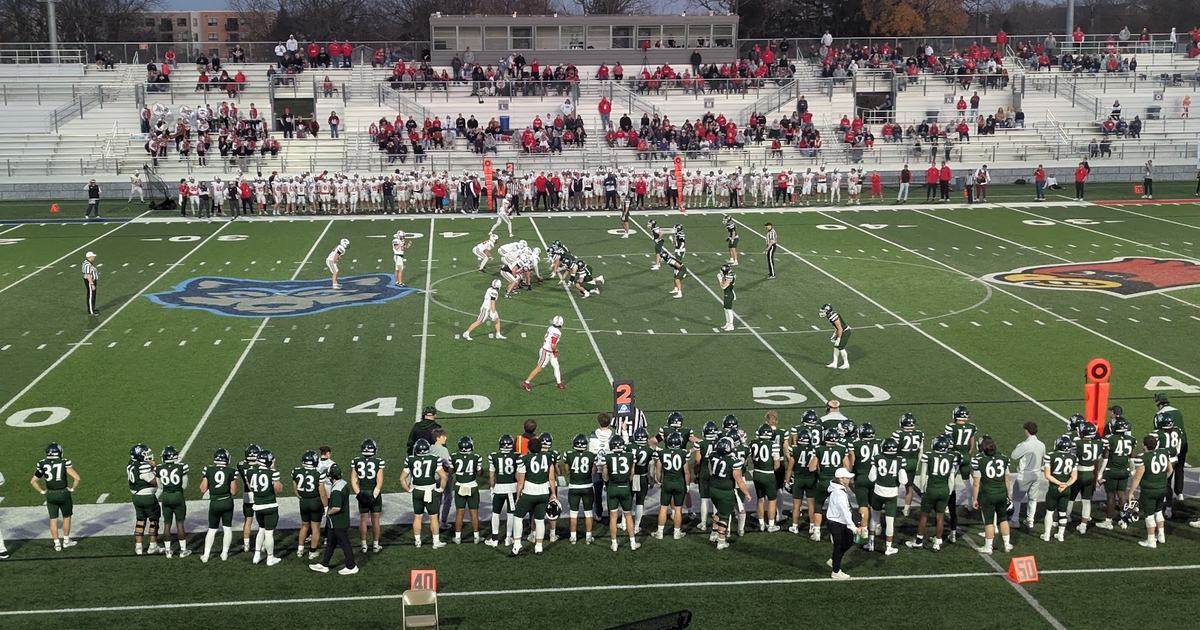
UW-River Falls Wins Third Culver’s Isthmus Bowl Title Over Illinois Wesleyan 55-24
The University of Wisconsin-River Falls football team secured its third Culver’s Isthmus Bowl championship on November 21, dominating...

New Video Captures Latest Escape From Owens Cross Roads Facility
A fresh round of escapes occurred at the Pathway Facility in Owens Cross Roads on Saturday evening, as...
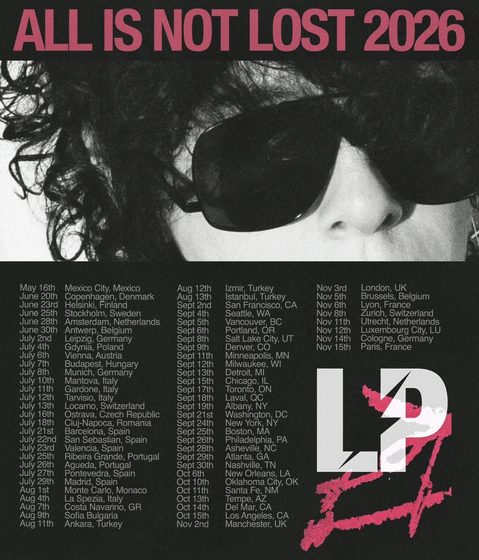
LP Lights Up Olympia with Visuals for Room 12 Tour
On Sunday, November 15, singer-songwriter LP brought a high-energy, visually immersive performance to the stage at Olympia Paris....

Western Colorado Executed Scoring Drive Against Central Washington Touchdown
Western Colorado executed a scoring drive that culminated in a touchdown at the 10:05 mark of the game....