In a column for the Star Tribune, Dennis Anderson reports that pheasant hunters across Minnesota, Iowa and the Dakotas are describing a fall season with markedly higher bird numbers than in recent years.
Chris Erickson of White Bear Lake hunted north-central South Dakota near the North Dakota border and said, “I don’t know how it could be any better. We hunted edges, ditches and corners and saw a bunch of birds.” He noted fewer hunters in the field, attributing it partly to limited motel availability because “they’re building a big data center out there and a lot of motel rooms are taken up by construction workers.” Erickson also hunted in Minnesota with a 10-year-old Drahthaar and a 10-month-old wire-haired Vizsla, finding birds on public land and “lots on a small piece of CRP on private land.”
Kris Wilkens of Woodbury hunted northwest North Dakota on private land and called it “a year for the history books.” He said birds were not visible from roads but “when we got into the fields it was eye-opening. There were so many birds that at times it was a challenge for my dog to find roosters I shot because where they fell there might have been 10 or 15 pheasants that got up.” Wilkens added that extremely wet conditions prevented access to cattails.
He also hunted southwest Minnesota, where he agreed with the DNR’s assessment of a 20% increase, saying, “I’d say that’s right.”
Casey Buck of Denison, Iowa, reported good pheasant and quail hunting in Crawford County and surrounding areas but warned of looming habitat loss.
“The bad news is there is no federal Farm Bill, and a lot of our CRP acres are under 10-year contracts and that land will be going back into production next year.” Buck noted many acres have already been cut and baled, and mentioned water quality played a role in the recent governor’s race.
Ron Monson of Minneapolis hunted the Todd County area in west-central Minnesota and observed “really strong broods of pheasants” from spring onward, with broods of “12 to 14 young birds in each brood.” He said numbers have definitely increased from a year ago.
Keng Yang of Minneapolis hunted public land in North Dakota, Minnesota and northwest Iowa, finding birds in short grasses in North Dakota but noting “finding a place to hunt was more challenging during the firearms deer season.” Yang said Iowa’s new non-resident restrictions — a delayed opener and a two-week limit — will likely push him to the Dakotas next season.
Matt Kucharski of Maple Grove hunted central North Dakota, northwest South Dakota and Minnesota near Lac qui Parle and Granite Falls. “I don’t think I found a piece of upland habitat there that didn’t hold pheasants,” he said of North Dakota.
In South Dakota, he took limits of sharptails in the morning and found abundant roosters afterward, noting pheasant crops contained the same grasshoppers, winter berries and rose hips as sharptails. In Minnesota, he said, “you have to hunt the better habitat. The Minnesota roosters seem a little jumpy on the public land I hunted… But there definitely are more birds in Minnesota than a year ago.”

Post-Gazette Names 2026 Fabulous 22; Central Catholic Sets School Record
The Pittsburgh Post-Gazette released its 2026 Fabulous 22 team on Thanksgiving week, a roster headlined by the nation's...
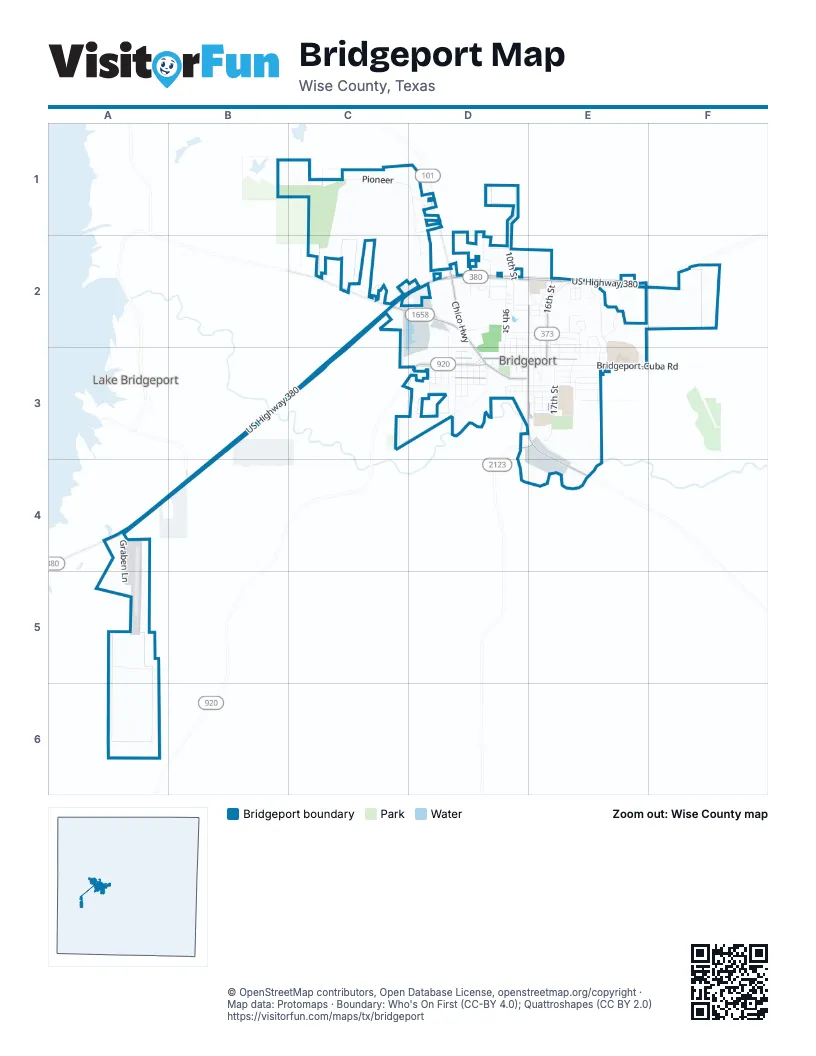
Bridgeport, Texas Street Map Indexes 123 Roads for 6,763 Residents
A new printable street map of Bridgeport, Texas, indexes 123 roads across the Wise County city of about...

Justice Haynes Set for First Full Workload vs. Georgia as Tech Leans on Run Game
Georgia Tech running back Justice Haynes will face the Georgia Bulldogs on Saturday in Athens, the first time...

Caleb Williams’ TD Pass to Rome Odunze With 3 Seconds Left Lifts Bears Over Lions 39-35 for NFC North Lead
Caleb Williams threw a 6-yard touchdown pass to Rome Odunze with three seconds left Thursday, giving the Chicago...