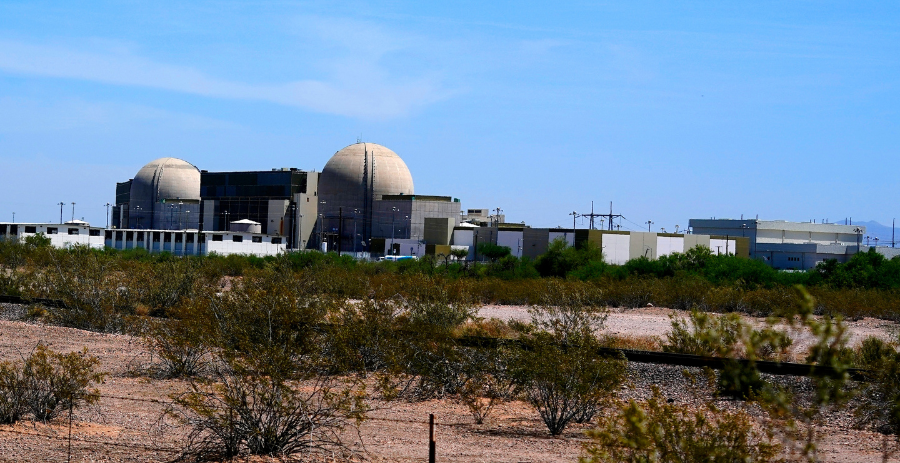
Arizona’s push for new nuclear power faces a political test in January, when a Democratic-controlled Legislature takes over after years of Republican majorities that backed the Corporation Commission’s efforts to spur development of new nuclear energy projects.
The shift matters because the state’s three largest utilities — Arizona Public Service, Tucson Electric Power and Salt River Project — are still deciding whether to spend ratepayer money on a new nuclear project, and they have said they will not move forward without broad political support, the Arizona Capitol Times reported.
“If there isn’t support across the board, we don’t want to spend that money,” Steve Sims, TEP’s director of project and contractor management, told commissioners at a Nov. 19 workshop. “We don’t want to spend our customers’ money that way.”
At that same workshop, the utilities confirmed they are evaluating 29 potential sites, including the existing Palo Verde Nuclear Generating Station, and hope to file an early site permit application with the U.S. Nuclear Regulatory Commission in the first half of 2027. They have not yet identified whether they will pursue advanced nuclear technologies, like small modular reactors, or build a second traditional nuclear power plant.
Commissioner René Lopez, who spearheaded the commission’s pursuit of new nuclear generation, warned his colleagues that the window is narrowing. “This opportunity, personally, I just hope we don’t lose it,” Lopez said. “And I think if we let our foot off the pedal, it kind of gets stagnant. It could wind up being a lost opportunity in the future.”
Their arrival coincides with new legislative leadership: Rep. Chris Mathis, D-Tucson, will lead the House Committee on Water, Environment and Energy, and Sen. Lauren Kuby, D-Tempe, will lead the Senate Committee on Climate, Energy and Natural Resources.

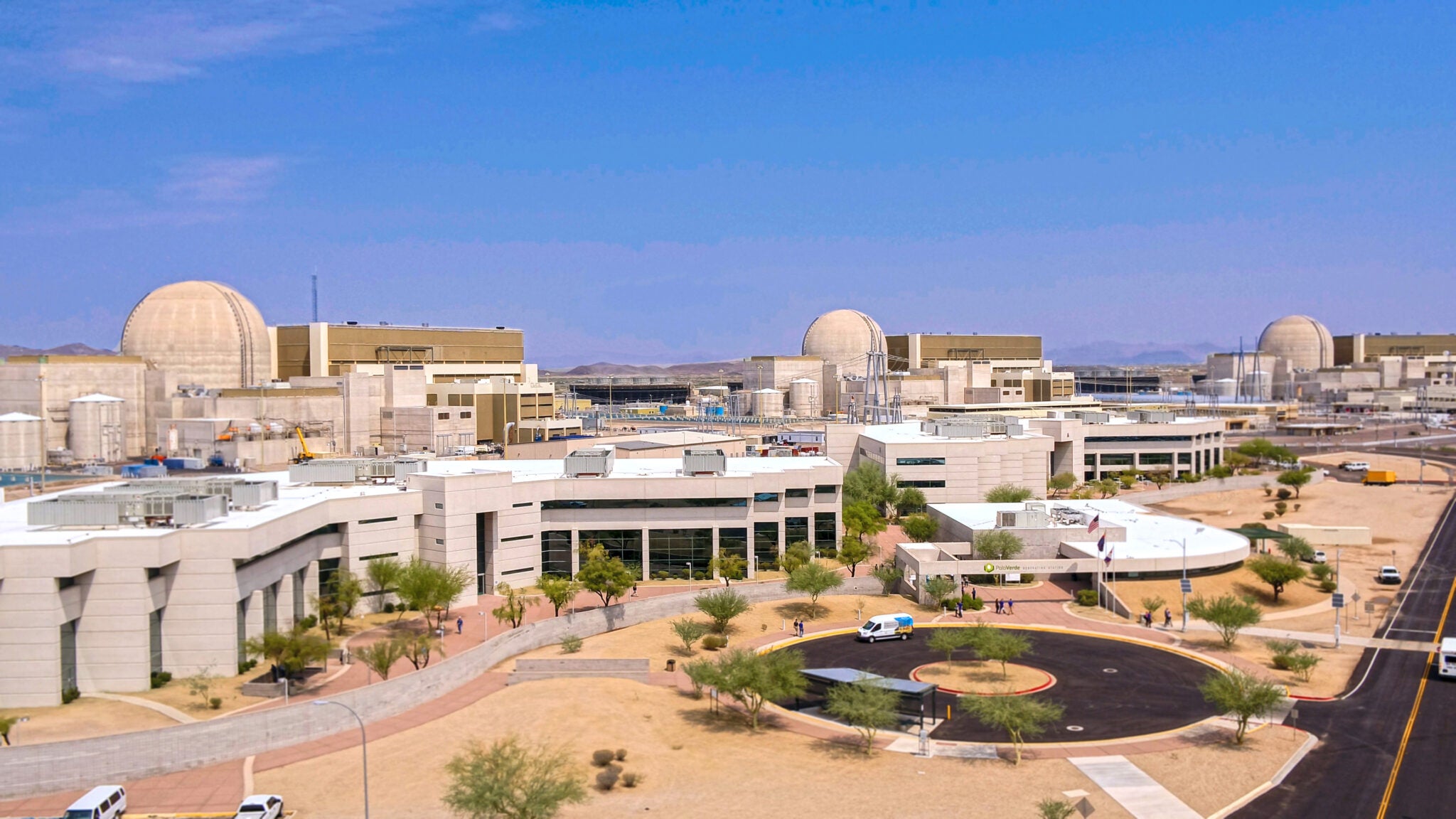
Yet demand is not waiting. Data centers, population growth and hot summers are driving skyrocketing demand for electricity. Palo Verde already powers more than 4 million homes and businesses, according to APS. The utilities are exploring the possibility of more nuclear generation as a large baseload energy source to meet growing demand.
Palo Verde Nuclear Generating Station, located in Maricopa County near Wintersburg, Arizona, is the nation’s largest power plant by annual energy production. It sits on a 4,050-acre site and uses reprocessed sewage water for cooling, a feature unique among U.S. nuclear facilities. The station’s three reactors began commercial operation in 1986, 1986, and 1988.
The next signal comes when the Legislature convenes in January and the new commissioners take their seats.

Bruno Mars Announces Father Peter Hernandez Has Died at 74
Bruno Mars announced the death of his father, Peter Hernandez, on Thursday writing on Instagram that he had...

New Kingfish Franchise Replaces Zydeco at River Center
The franchise replaces the Baton Rouge Zydeco, which ceased operations after the 2025–26 season and left the market...

Dan Kennedy Thanks St. Paul Firefighters After Bike Trail Cardiac Event
Dan Kennedy’s heart stopped on a bike trail near Wic̣aḣapi Regional Park on June 22, and a passing...

A Cheyenne man faces federal charges
A Cheyenne man faces federal charges after a grand jury indicted him on accusations he stole $270,000 from...