Most Kansas road trips aim for Wichita or Topeka, but the state’s southern edge holds a quieter argument for slowing down.
Islands reported that Arkansas City — pronounced “ar-KAN-zizz,” not like its namesake state — sits at the confluence of the Arkansas and Walnut rivers, an hour south of Wichita and two hours north of Oklahoma City.
The geography writes the itinerary. The Arkansas City Hike and Bike Trail traces the eastern bank of the Arkansas River for 4.8 miles out and back, passing Veteran’s Memorial Lake where sunset paints the water.
At Chaplin Nature Center, the River, Bluff, and Lost Prairie trails combine into a 2.3-mile loop through sandy stretches, woodlands, and waterfront sections with stairs that turn slick after rain. On the east side, the Prairie Passage Loop covers 1.7 miles in about 30 minutes, threading past fishing ponds along the Walnut River.
“The atmosphere is relaxing [and] welcoming at the same time.”
one diner wrote of Ninja Sushi Steak House, where hibachi combos, udon, and lobster rangoons draw steady crowds. For smoke and spice, Big N Smalls BBQ holds a 4.8 rating on Google Maps for fall-off-the-bone ribs, brisket, and bar burritos served by a family-owned crew that regulars describe as genuinely friendly.
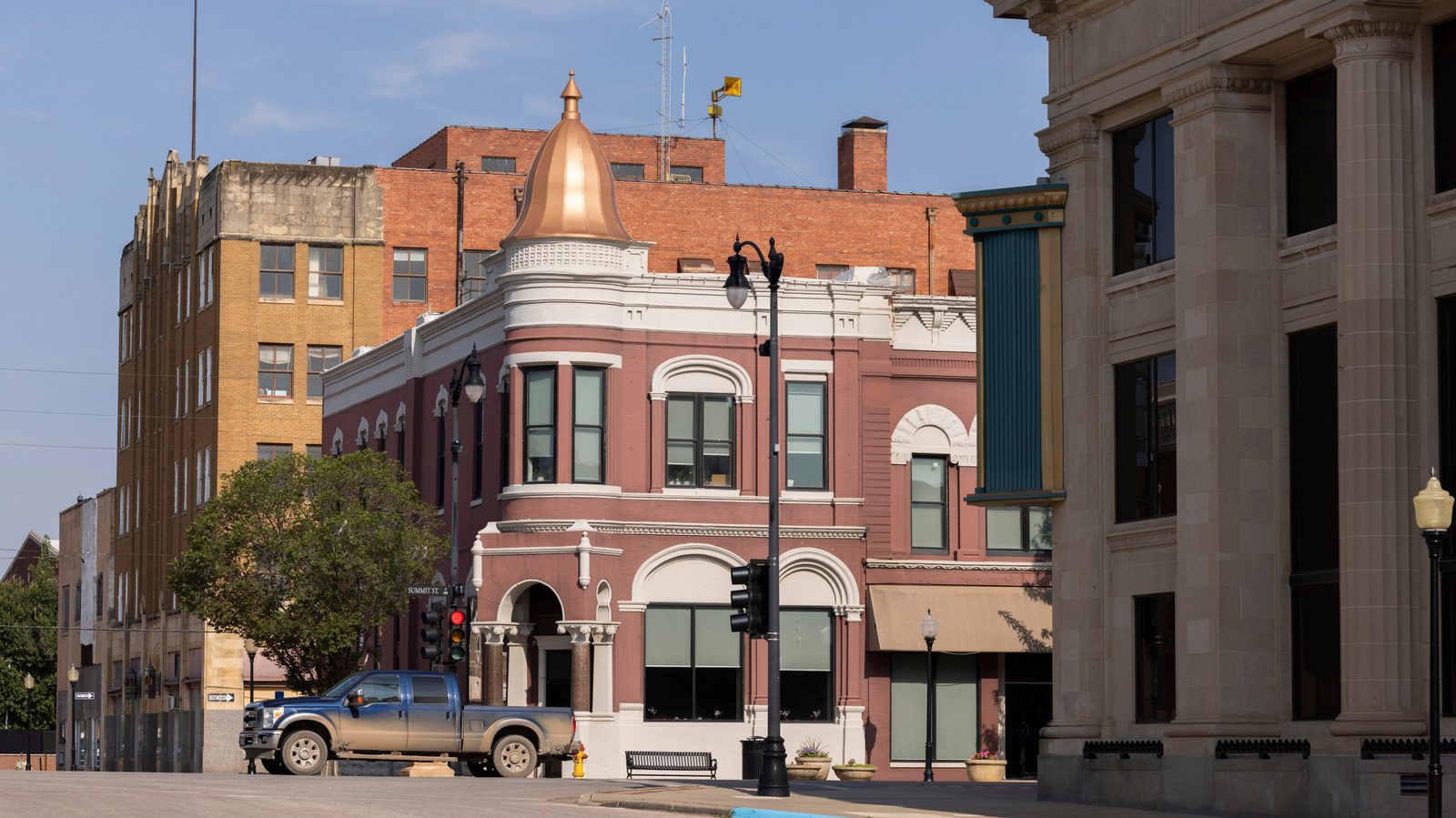
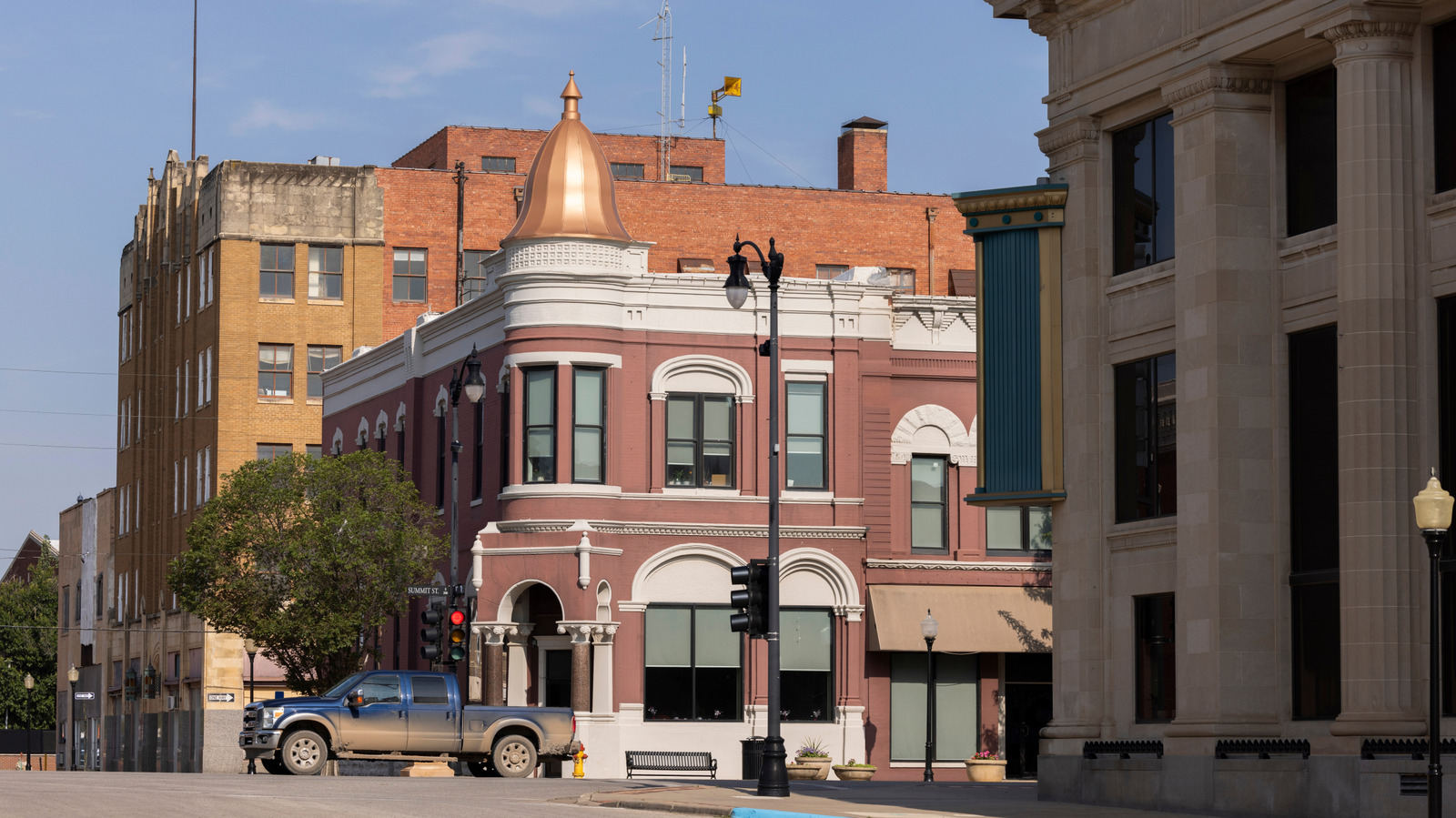
Downtown runs along South Summit Street between Adams and Fifth Avenues, where 1880s brick and stone storefronts wear Art Deco and Neoclassical facades. A downloadable walking tour from the city’s official site points out the Burford Theatre, Sacred Heart Catholic Church, and the Osage Hotel.
The Cherokee Strip Land Rush Museum anchors the history further, displaying vintage carriages, a bunkhouse replica, and one of only two known original claim flags from the 1893 run. Outside sit the Bland Schoolhouse and the Bill Baird Pioneer Farm and Garden.
Before the land rush, this ground was Etzanoa, a massive settlement of the Wichita Nation. Archaeologists have only recently confirmed its scale, rewriting the map of pre-contact Great Plains civilization. The museum traces the line from that urban center to the 100,000 settlers who surged across the Cherokee Outlet in a single afternoon.
Lodging stays practical: Best Western Plus Patterson Park Inn, Super 8 by Wyndham, and Quality Inn cluster near the highway entrances. For the next leg south, Lehigh Portland State Park — Kansas’ newest — adds camping, trails, and lake access about two hours away near Herington, a town that bills itself “Where the Rails Meet the Trails.”
Arkansas City, in Cowley County, reached a population of 11,974 in the 2020 census. Before the 1870 founding, the site held Etzanoa, a Wichita Nation settlement that flourished from 1450 to 1700 with an estimated 20,000 residents.
At the turn of the 20th century the city rivaled Wichita in size and enterprise, with multiple rail lines, an opera house, and a manufacturing base. The annual Arkalalah festival, inaugurated in 1928, still draws thousands each October with a two-hour parade and a carnival.
The rivers don’t rush. Neither does Ark City.
- Phoenix Photographer Gives Foster Dogs Free Portraits Through Staycation Spotlight
- Sam Houston released its 2027 non-conference baseball schedule Friday
- Credit Card Debt Hits Record $1.29 Trillion but Trails 2008 After Inflation (daybreakwire.com)
- Tom Brady in talks over buying Chelsea stake after Birmingham City exit (newsarchyuk.com)

Phoenix Photographer Gives Foster Dogs Free Portraits Through Staycation Spotlight
One dog waited nearly 900 days at Arizona Small Dog Rescue before a portrait session changed everything. That...

Sam Houston released its 2027 non-conference baseball schedule Friday
Sam Houston released its 2027 non-conference baseball schedule Friday, a 29-game slate that opens Feb. 19-21 with a...

Little Rock Board Advances Two Annexation Proposals Amid Concern
Residents packed Little Rock City Hall on Tuesday night only to watch the board move forward on two...
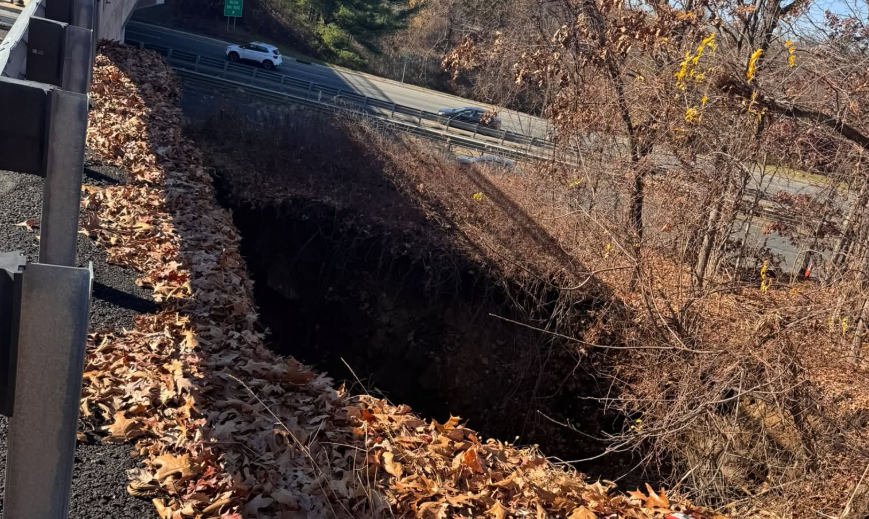
Sinkhole Closes Route 15 Northbound, Weldon Road Bridge in Jefferson Township
A sinkhole opened beside the Weldon Road bridge in Jefferson Township Friday morning, forcing the closure of Route...