
Following objections from parents and librarians on Friday that the guidelines could limit educational resources, the Arkansas State Library Board has once again modified proposed regulations connecting public library financial support to children’s availability to “sexually explicit” materials.
This latest pivot follows a meeting where board members initially approved a draft, only to expunge that vote by a 3-2 margin after librarians and parents voiced concerns.
Local library networks face persistent pressure as they attempt to decipher how these fresh guidelines might intersect with Act 372 of 2023, which would allow anyone who “furnishes, presents, provides, [or] makes available” an item that is “harmful to minors” to be charged with a Class A misdemeanor, punishable by a maximum prison sentence of one year.
A federal appeals court lifted the injunction on the law in July, leaving many librarians in a state of professional uncertainty regarding their legal liability.
The Challenge of Defining ‘Obscenity’
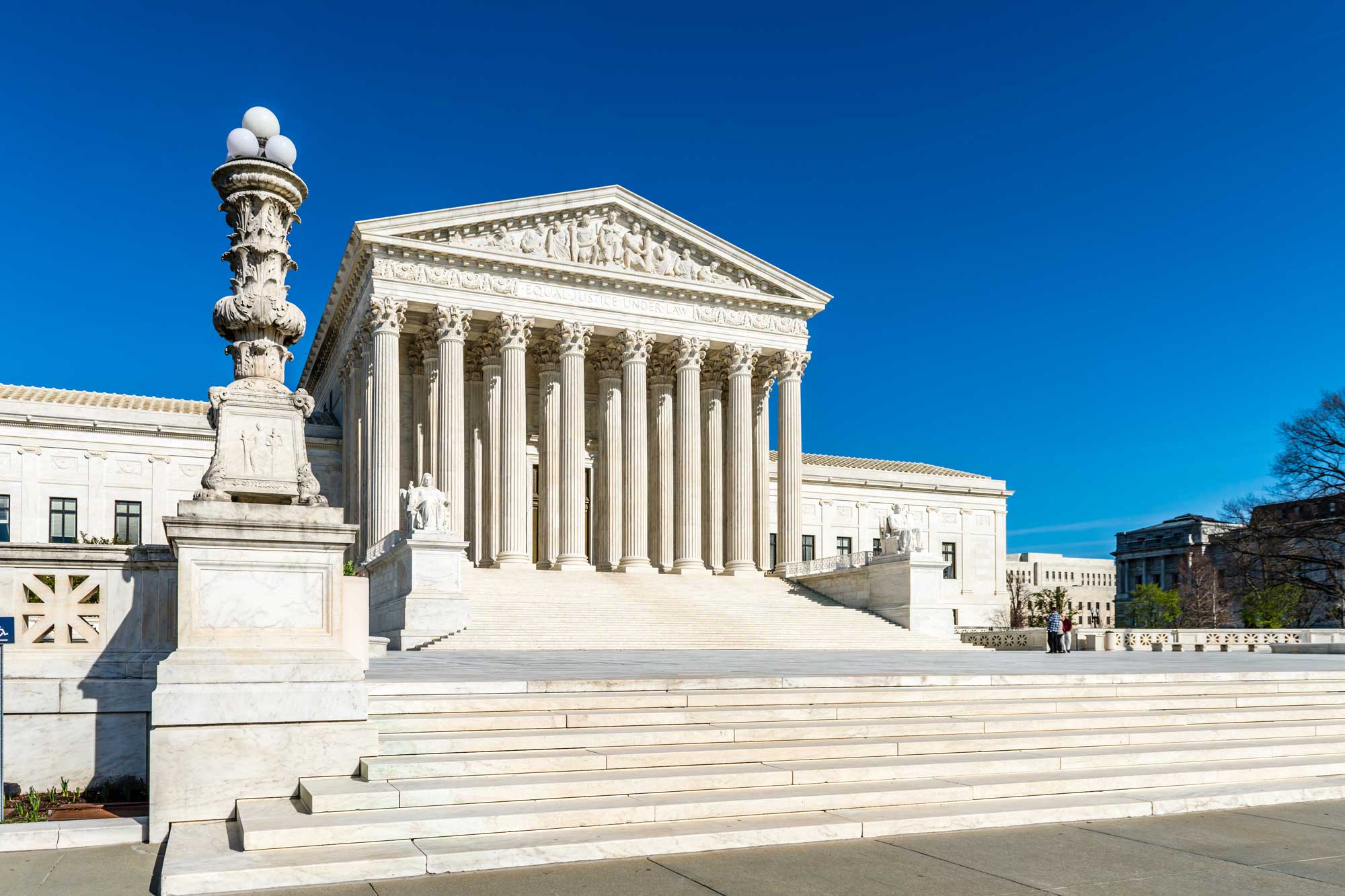
At the center of the board’s debate is the struggle to define what constitutes restricted content without creating a system that is impossible to manage. During the meeting, library directors pointed to the Miller test, a three-pronged standard for obscenity created by a 1973 U.S. Supreme Court ruling, as a reliable metric.
Under the Miller standard, an item must meet all three criteria to be considered legally obscene: If the entire work “appeals to the prurient interest” based on “contemporary community standards,” as judged by the average person; If it depicts or describes sexual behavior “in a patently offensive way”; If the entire work “lacks serious literary, artistic, political, or scientific value.”
Several library directors argued that applying this test protects materials like encyclopedias and art books, which could otherwise be caught in a broad sweep.
“This policy sends a fundamental message to children and teens that it does not trust them to be curious or interested in reading freely, and could discourage them from reading at all.”
said Madison Markham, Freedom to Read program coordinator for PEN America.
Practical Realities for Local Libraries
For library administrators, the dilemma is as much about space and logistics as it is about policy. Pointing out physical limitations on Friday, Calhoun County Library Executive Director Allie Gosselink re-emphasized that her institution lacks the room necessary to separate books that certain adults might deem unsuitable for minors.
The board agreed to add language specifying that libraries don’t need to keep “encyclopedias and fine art” away from patrons under 16, reflecting an acknowledgment of these concerns, yet critics remain skeptical.
Abbigail Getty, a mother from Cabot who opposed the rules, argued that the proposed rules—which include an exception for children 11 and older to access “age-appropriate information designed to prepare minors for the sociology of puberty” with parental consent—could block many girls’ access to books about menstruation until they are already experiencing it.
“That’s like saying you’re going to get a book about planning your wedding a year after you get married,” Getty said.
Discrepancies Between State Law and Proposed Funding Rules Create Legal Risks
Adding to the complexity is the discrepancy between the board’s proposed funding rules and the existing state law. Act 372 defines “harmful to minors” as “any description, exhibition, presentation, or representation, in whatever form, of nudity, sexual conduct, sexual excitement, or sadomasochistic abuse” if the content “appeals to the prurient interest,” is “patently offensive” or lacks literary or political value. Rather than following state definitions, the draft funding requirements incorporate the federal standard for sexual content, which involves various forms of physical contact executed “with an intent to abuse, humiliate, harass, degrade, or arouse or gratify the sexual desire of any person.”
When board members asked for clarity on how to ensure uniformity across different counties, Assistant Attorney General Aaron Lowrey indicated that a local dispute or court case regarding Act 372 would be outside the board’s purview.
This leaves library directors to manage local government oversight while facing questions about how to enforce the law.
“Where’s the urgency to help libraries address practical needs, like safety training, for patrons and our staff who [might be] about to be arrested for something they didn’t do?” asked Misty Hawkins, executive director of the four-county Arkansas River Valley Regional Library System.
Because the revised draft will remain open for a third period of public comment on the Arkansas Department of Education portal through Dec. 13, the underlying conflict between parental control and literary freedom persists without a final resolution. For now, the board’s attempt to find a middle ground has only highlighted how difficult it is to regulate a public institution that serves an entire community’s diverse intellectual needs.

Worth a look

Iowa DNR Outlines Equipment Regulations for Deer Hunting Seasons
Iowa deer hunting regulations outline specific legal equipment for bow, shotgun, muzzleloader, and pistol seasons, according to information...

World Wide Technology Raceway to return to INDY NXT by Firestone in 2027
The path to the NTT INDYCAR SERIES often runs through the grueling, high-speed crucible of oval racing, and...

MassDOT Announces Public Hearing for St. James and Tapley Street Bridge Replacements
MassDOT is hosting a Design Public Hearing in Springfield to present the proposed replacement of the St. James...

Most Recipients of Idaho’s Private Education Tax Credit Never Attended Public School – KMVT
Most recipients of Idaho’s private education tax credit never attended a public school, according to a report released...