Arkansas Times columnist argued that blind tasting reveals Arkansas wines can compete with European counterparts despite entrenched bias among local drinkers.
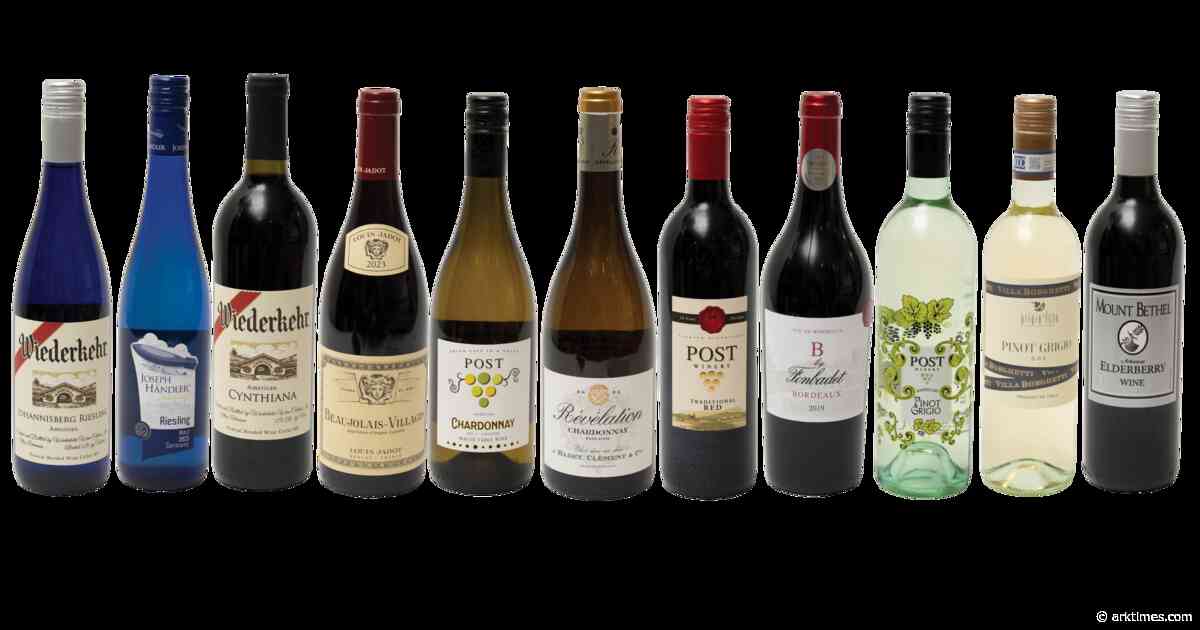
In a first-person essay published by the Arkansas Times, the writer organized a side-by-side tasting of five Arkansas wines against comparably priced bottles from Germany, France, Italy and Bordeaux, all purchased for $20 or less. The panel included self-described wine enthusiasts and novices; wines were served in brown paper bags to conceal identity.
In the riesling flight, a majority preferred the Joseph Händler from Germany over the Wiederkehr Riesling from Arkansas, though the margin was narrow. Milo, a less experienced taster, said the Wiederkehr was “right on the edge of being too sweet for me, but they’re both good.”
Brock found the German bottle “more complex” with “a richer texture, like an effervescence on the front and back.” Brooke, who predicted she could identify every Arkansas wine by smell and taste, confirmed she did so and “detesting most of them.”
The chardonnay round pitted Post Winery against Révélation from France. The Arkansas entry drew near-universal rejection on the nose — “it indeed smelled pretty bad, almost like a wet dog,” the writer noted — though Jada preferred its sharpness to the French wine’s butteriness. Brock and Wendy both guessed the samples were oaked; both were unoaked.
Post Winery’s Pinot Grigio fared poorly against Villa Borghetti Grigio Luna from Italy. Wendy called it “acidic taste, sour, like it didn’t complete the process,” while Brock said it “tastes of nothing, smells of nothing.”
The Wiederkehr Cynthiana, made from Arkansas’s official state grape, faced Louis Jadot Beaujolais-Villages Gamay. The writer favored the Cynthiana’s “floral notes on the nose and fruit-forward flavor,” though roughly half the panel found it too sweet. Jada recognized the Beaujolais immediately — “I drank so much of this in my 20s” — but most tasters disliked it.
In the final flight, Post Winery Traditional Red met B by Fonbadet Bordeaux. Brock, recently returned from a Bordeaux tour, said the French bottle “tastes a little dirty” and was “slightly sweet for a Bordeaux.” Milo grimaced at the Arkansas red, calling it “jammy … super grapey.” Jada was the lone defender: “Of the Arkansas wines, this is the one I’d probably drink over any of the other ones.”
A shopkeeper at Colonial Wines & Spirits told the writer that Arkansas lacks an ideal climate for traditional vinifera grapes — consistent moisture is needed, not violent storms followed by drought — and that climate change is worsening conditions. The state’s vintners often import grapes for table wines; muscadine, moscato and elderberry wines are the ones truly grown in Arkansas.
According to a 2022 Wine America study, the Arkansas wine industry draws nearly 30,000 tourists annually and generates $1 billion in revenue. The Colonial Wines store manager told the writer, “Wine is sometimes meant to be enjoyed, not overly articulated or critiqued.”
“To be honest, I just don’t really love the taste of alcohol in any context. So, I think that might have something to do with why I’ve enjoyed the taste of some of these Arkansas wines,” said Daniel, the youngest taster, who preferred the Arkansas lineup overall.
Keep reading

Indiana Basketball Hall of Fame Announces 2027 Class: Five NBA Players, Four Mr. Basketball Winners Headline 18 Inductees
The Hall's Board of Directors announced 18 men will enter the Indiana Basketball Hall on March 24, 2027,...

Hartford Funds to Liquidate Two U.S. Equity ETFs in December
Hartford Funds will remove two equity ETFs from its lineup next month, leaving shareholders a single exchange-trading window...

WIAC Kwik Trip Athletes of the Week announced November 23
UW-Stout guard AJ Uttech scored a career-high 33 points — the highest scoring output by a Blue Devil...

No. 14 Oklahoma hosts Montana State Tuesday at 4 p.m. ET in Jacksonville, Fla
No. 14 Oklahoma, unbeaten at 7–0, hosts Montana State on Tuesday at 4 p.m. ET in Jacksonville, Fla.,...