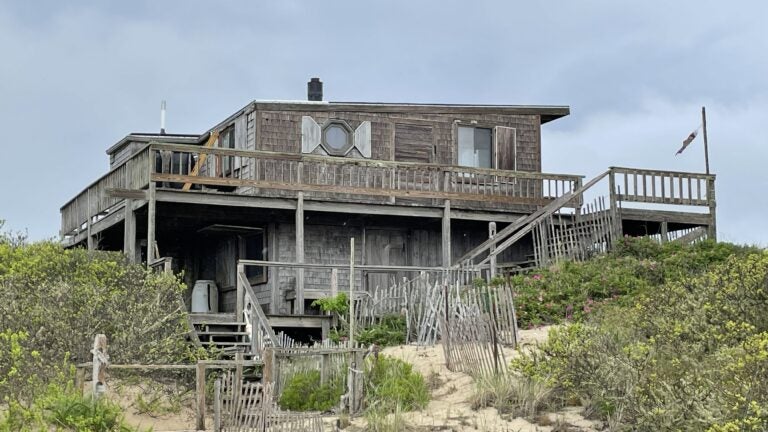
The Armstrong family must compete to lease the dune shack they have maintained since 1948.
The National Park Service issued a request for proposals on November 9 for the public leasing of the Armstrong Shack, a two-floor seasonal structure built in 1926. The shack is the most far-flung of the 19 historic colony shacks on the remote edge of the Cape Cod National Seashore.
The process pits the Armstrong family’s generational stewardship against a public bidding process that has drawn hundreds of applicants. In 2023, eight shacks in the Peaked Hill Bars Historic District were offered for bidding and garnered more than 400 applications, according to a Globe public records request.
Janet Armstrong, the current steward of the shack that bears her family name, will apply to keep the property she calls her sacred home. “If something goes wrong, like you have a mouse infestation . . . good luck with that,” she said. “Got to find out where they get in, and then try to patch it up, and then it’s work.”
“Our road disappeared five different times because the ocean would take it away,” she said. “I have 78 years of photographs of hundreds of people putting in wells and putting on roofs and digging out the pipes under the sinks and trying to stop the sand,” she said.
The Armstrongs’ connection to the shack began in 1948, when Janet’s parents, David and Connie Armstrong, found the abandoned structure.
“It had no windows. They were all busted out, and there was a huge hole in the roof, and three feet of sand on the floor, and a rusty old wood stove in there,” she recalled. “They said, ‘Wow, that looks great!’” The couple spent the next year tracking down its owner and purchased the shack.
Following the creation of the Cape Cod National Seashore in 1961, the Park Service used eminent domain to take the shack in 1981. The Armstrongs were granted a lifetime estate, and following their deaths, Janet Armstrong received annual Special Use Permits until the agency launched this public RFP process.
The RFP process has drawn ire from longtime shack dwellers, who said it could dissolve the colony’s inimitable way of life. “This would be further eroding a community that’s fought against all odds to survive,” said Michela Murphy, a longtime dune colony advocate and caretaker for Frenchie’s Shack.
The National Park Service declined an interview but said via email that its “leasing program supports the continued use and preservation of these historic dune shacks while protecting their historic character.” The agency confirmed that evaluation panel members will include its leasing staff and technical consultants. Subleasing is prohibited.
The National Park Service’s authority stems from the National Park Service Organic Act of 1916, which mandates the agency “to conserve the scenery and the natural and historic objects and wildlife therein, and to provide for the enjoyment of the same in such manner and by such means as will leave them unimpaired for the enjoyment of future generations.”
This legal foundation underpins its management of the Peaked Hill Bars Historic District. Additionally, the Reorganization Act of 1933 granted the president authority to transfer historic sites to the NPS, aligning with its mission to preserve cultural resources like the dune shacks. The agency’s 1963 Leopold Report further established unified principles for managing park resources, ensuring stewardship balances preservation with public access.
According to the posted RFP, initial applications for a spring 2027 occupation are due January 8, with site visits slated for the week of December 7.

GHI 27th Annual Conference to Open in London Dec 2 With 007 Gala
The 27th Annual GHI Conference opens at Olympia London on Wednesday for three days of one-to-one meetings, conference...

Thanksgiving Travel Chaos: Storms, Ground Stops Trigger Widespread Flight Delays, Cancellations Nationwide
Thanksgiving travel is facing widespread disruptions as storms and technical issues trigger flight delays and cancellations across the...
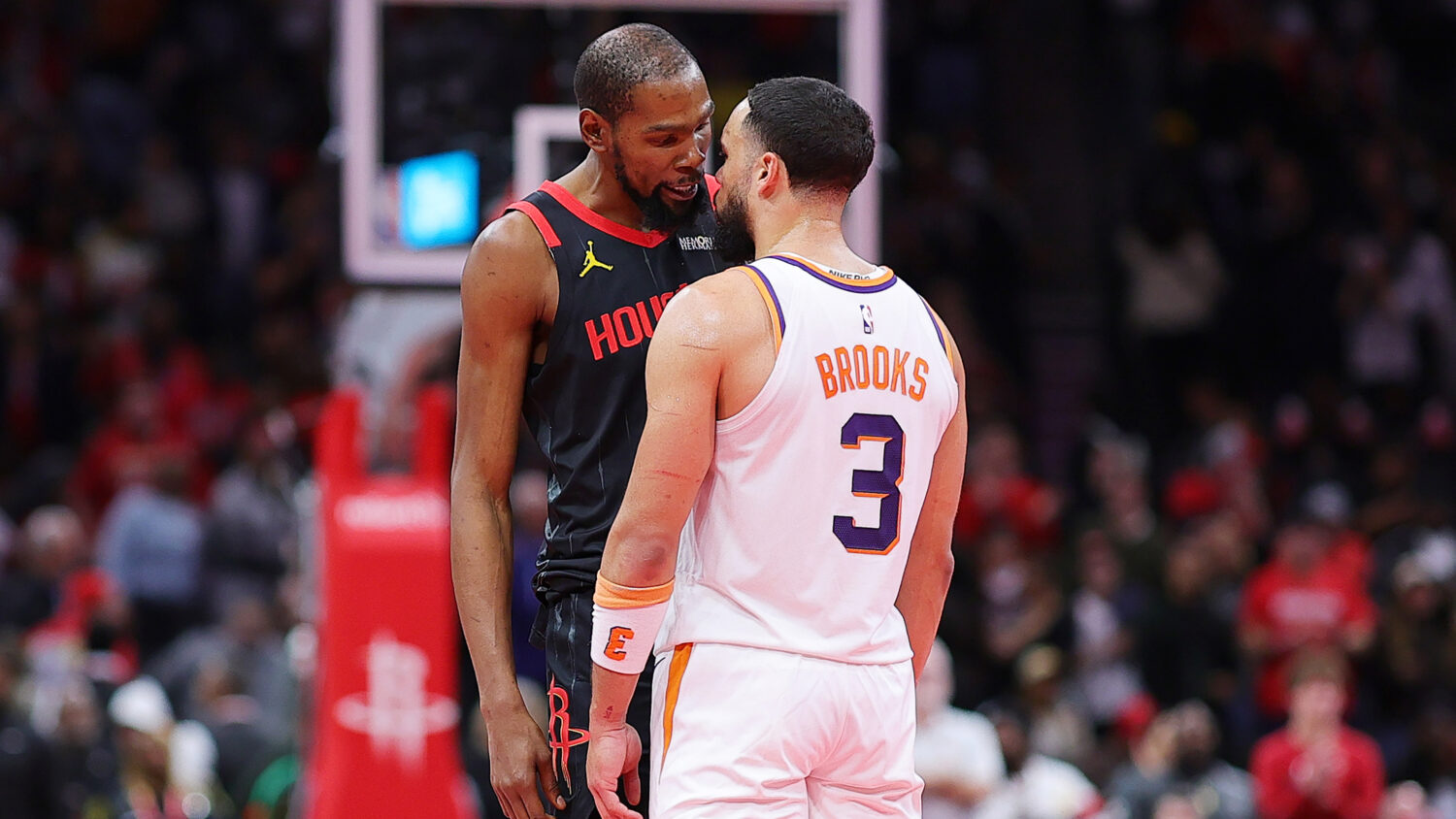
Rockets Top Suns 116-104 as Brooks Ejected After Altercation With Durant
Houston Rockets forward Dillon Brooks was ejected with 23.8 seconds remaining Wednesday after receiving his second technical foul...
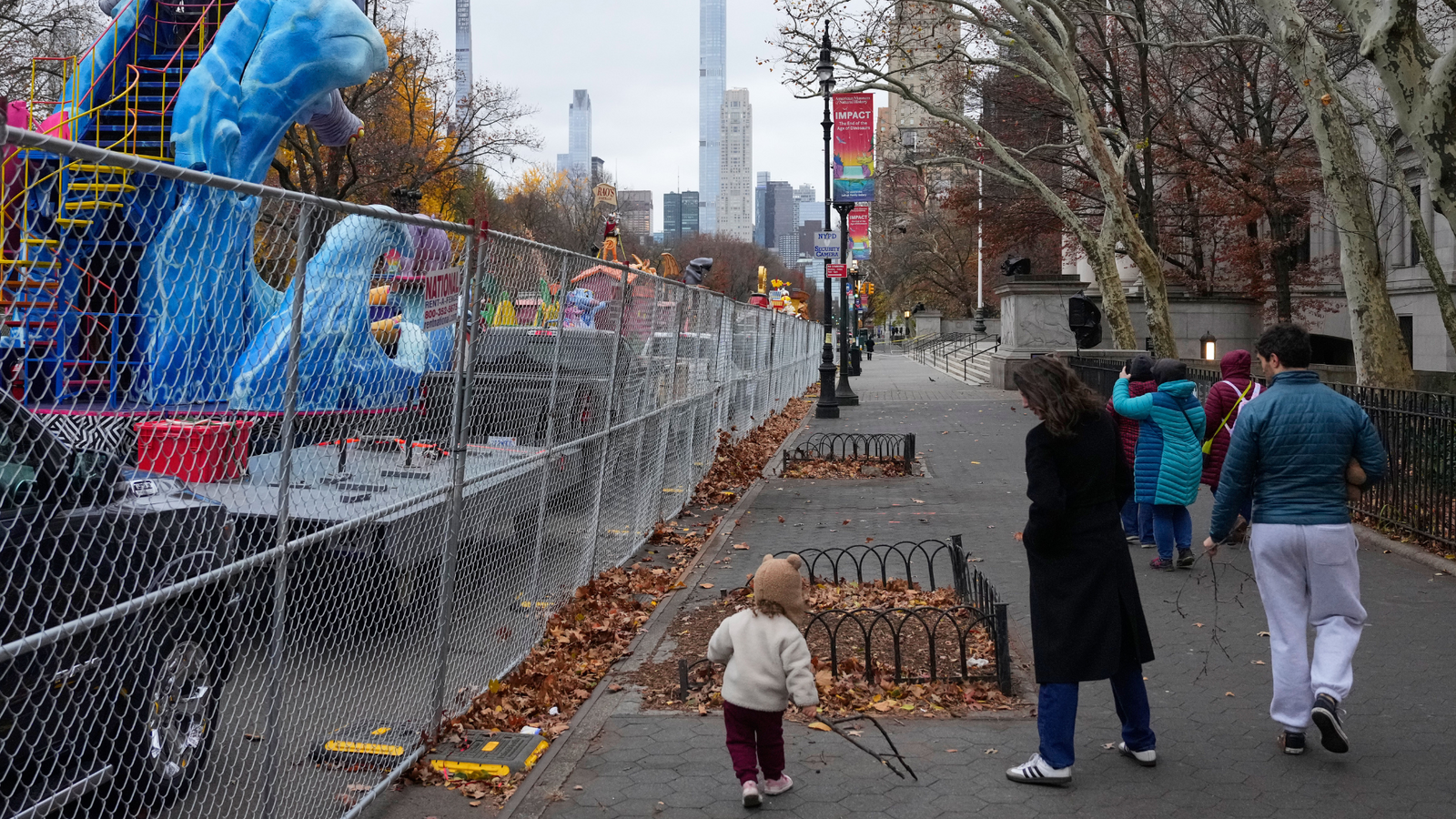
Macy’s Thanksgiving Day Parade Postponed to Saturday for First Time in 100-Year History Due to Storm
Macy's postponed its 100th Thanksgiving Day Parade to Saturday for the first time in its 100-year history due...