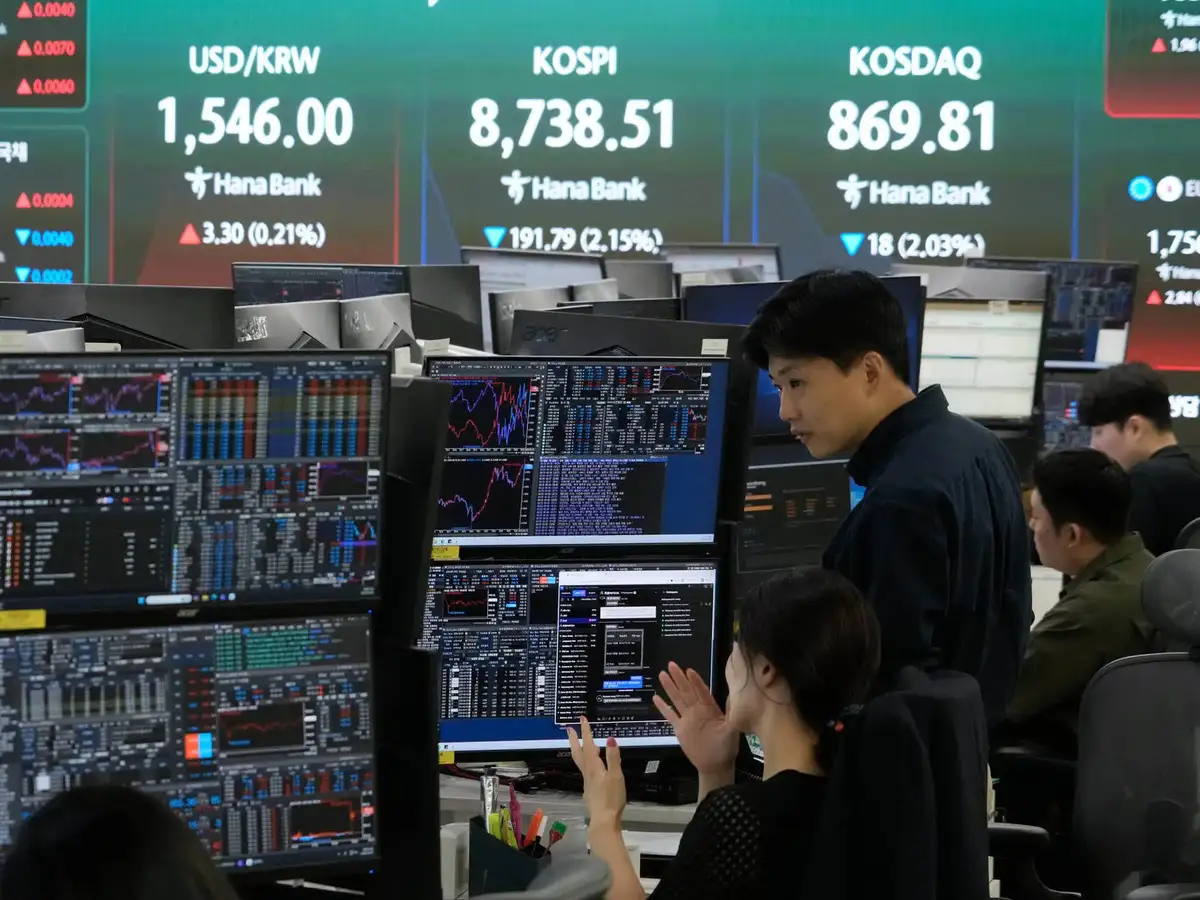
Asian stocks rose for a second straight day on Friday as buyers returned to the artificial intelligence trade after weeks of volatility, while Treasuries slipped as demand for haven assets faded.
MSCI’s Asia Pacific equities gauge climbed 1.5%, extending a rebound that began Wednesday when the Nasdaq 100 briefly slipped into bear-market territory. S&P 500 futures rose 1.7% and Nasdaq 100 futures jumped 2.6%, pointing to the first gains in three sessions for the underlying U.S. indexes when Wall Street reopens for a shortened post-Thanksgiving session.
Benchmark 10-year U.S. Treasury yields rose six basis points to 4.91% as cash trading resumed after the holiday, with the move mirrored in Australia where the 10-year yield advanced two basis points to 4.84%. Japan’s 10-year yield was unchanged at 2.625%.
“Positive risk sentiment is the key driver for the tick up in bond yields with the late-session rebound in US technology names on Wednesday flowing through to Asian trade,” said Prashant Newnaha, a strategist at TD Securities in Singapore.

South Korean semiconductor heavyweights SK Hynix and Samsung Electronics rose alongside Japan’s Kioxia Holdings, driving tech shares to the top of the MSCI Asia Pacific Index gainers. South Korea’s Kospi gained 3%, Japan’s Topix rose 1.8%, and Australia’s S&P/ASX 200 added 0.9%. Hong Kong’s Hang Seng advanced 1% while the Shanghai Composite edged up 0.3%.
Japan’s Nikkei added 2.7% for the week but remained down 8.4% for November. South Korea’s benchmark recovered around 2% on Friday but was still 16% lower for the month, while Taiwan’s index was down about 15% in November.
Japan’s Advantest climbed 6.5%, recovering some ground after losing more than 40% this month on concerns over the sustainability of AI-driven memory demand. Japan Tobacco gained 3.6% after Bloomberg reported it was considering joining a partner in a potential takeover of British cigarette maker Imperial Brands.
“For the moment, I think the AI/semiconductor trade is on hold,” said Neil Newman, head of strategy at Astris Advisory Japan. “We are not out of the woods yet by any measure.”
Bloomberg strategists framed the selloff as late-cycle volatility rather than the start of a sustained bear market.
“Fundamentals suggest the recent dramatic selloff is late-cycle volatility rather than the start of a sustained bear market. Global stock markets shed almost $20 trillion in value in just over two months as investors suddenly panicked that the AI trade is imploding. Such frenzy creates disruption and opportunities, particularly if there’s little justification for it,” said Mark Cudmore, Executive Editor, Markets Live.
Brent crude slipped 0.4% to $96.14 a barrel but remained up 3.9% for the week, while monthly losses stood at around 18%. Oil headed for its first weekly advance in four weeks as attacks on Middle Eastern energy infrastructure and tankers raised concerns over supply disruptions.
Markets are pricing in a 99% probability of a 25-basis-point Federal Reserve rate increase in December, with expectations of a larger half-point move fading. Japan’s core inflation accelerated to 2.9% year-on-year in November, its fastest pace in 16 months, strengthening expectations of a possible rate increase at the Bank of Japan’s December 18 meeting.
The Bank of Korea raised its benchmark rate by 25 basis points to 3.25% on Thursday and upgraded its 2027 growth forecast to 4.1%, citing stronger economic activity and semiconductor demand.
“Sentiment cracked, fundamentals didn’t,” said Marija Veitmane at State Street Global Markets. “With tech valuations looking increasingly attractive, the selloff may be starting to create its own reversal.”
Worth a look

Coleen Rooney Heads to Australia With Sons After Sharing Concern for ‘Down’ Wayne on Unpacked
Coleen Rooney is travelling to Australia with her two youngest sons after telling an ITV spin-off show that...

Bruce Willis ‘Die Hard’ Beretta 92F Heads to Auction With $75K-$150K Estimate
One of two Beretta 92F pistols used by Bruce Willis as John McClane in Die Hard will cross...

Emmerdale: Thea Suspects Joe After Steve’s Exit as Father Secret Revealed
"You want to play different characters, which has always been brilliant. But when you get a character as...
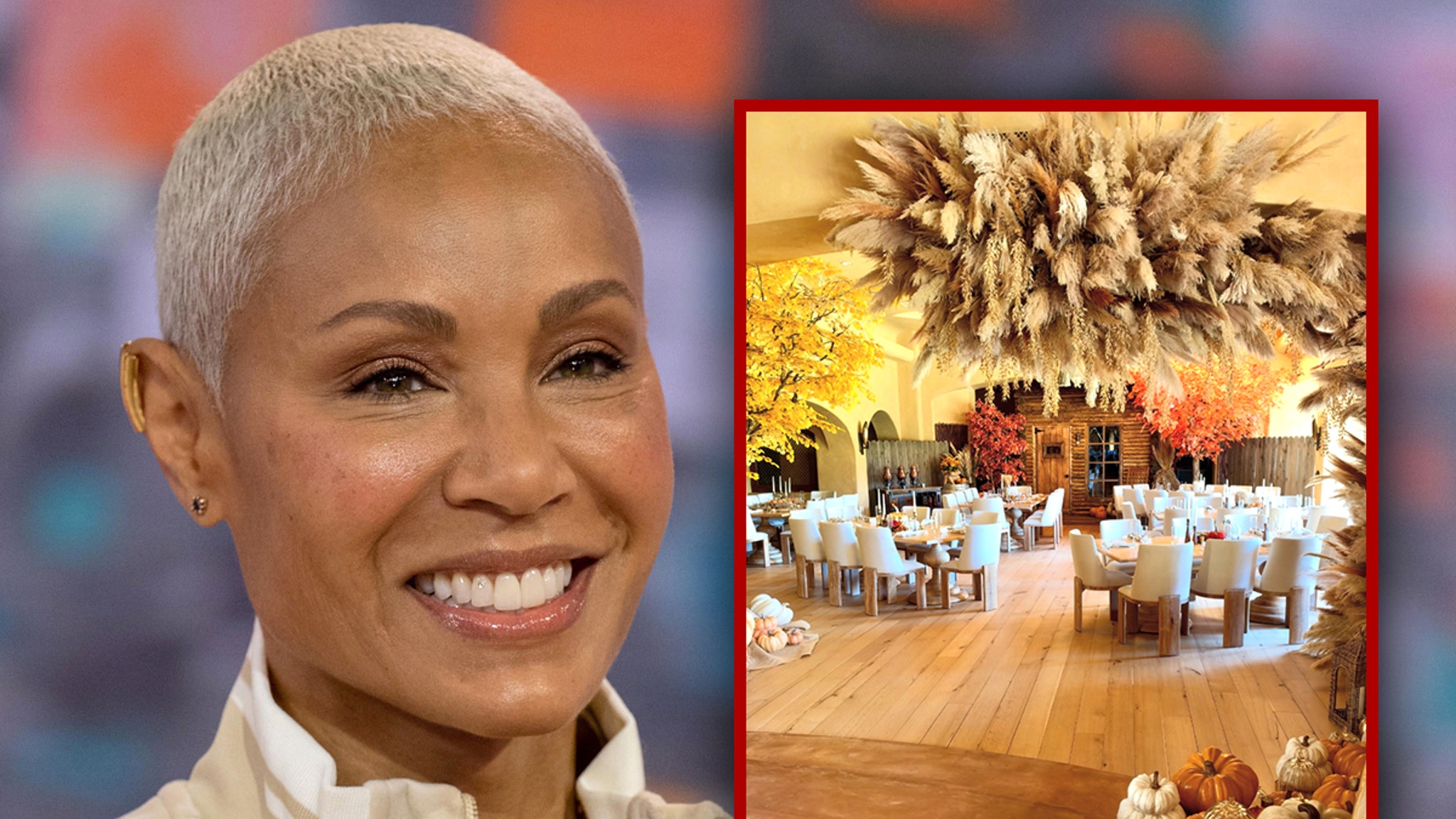
Jada Pinkett Smith Shares Thanksgiving Setup Days After Estate Fire
Jada Pinkett Smith shared images of an elaborate Thanksgiving dinner setup at the couple’s Calabasas estate on Thursday,...