
More than a year after Austin approved a rezoning that would erase hundreds of affordable apartments, the city is still designing the fund meant to stop that kind of loss from happening again.
An October 13 memo from Austin Housing laid out the first citywide inventory of naturally occurring affordable housing — 68,311 units scattered across 556 older, mostly smaller complexes — but offered no dedicated revenue to preserve them, Austin Free Press reported. The gap between the scale of the stock and the speed of the response has left tenants and advocates waiting for a financial commitment that has not arrived.
“Where’s the money to save it?” said Robin Rather, a longtime housing activist. “If you don’t have that, you don’t have anything. Back when the city was flush, when we had the money to preserve these properties, we should’ve. It’s really egregious that they’re only looking at this issue now.”
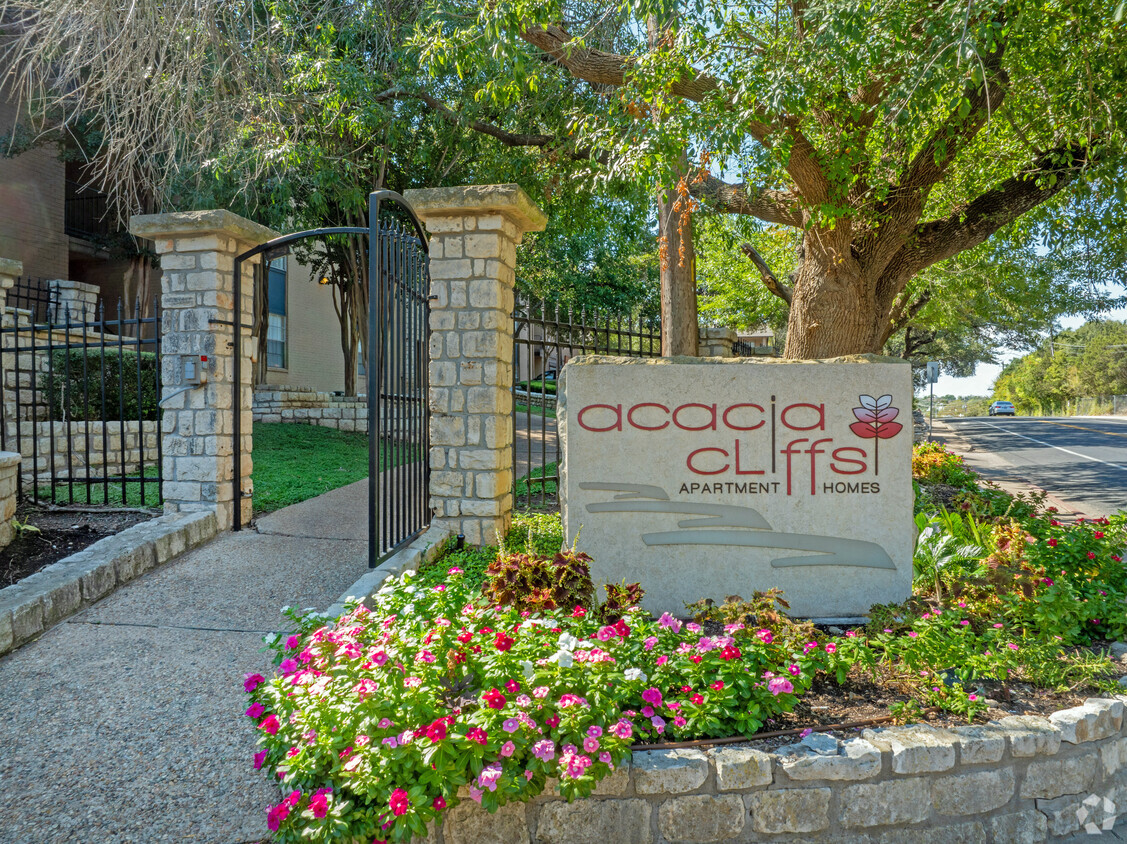
The catalyst: Acacia Cliffs
The pressure started in June 2025, when the City Council voted to rezone Northwest Austin’s Acacia Cliffs. The property holds about 290 deeply affordable apartments; the approved plan allows a 700-unit complex with only 80 income-restricted units. Demolition has not begun, but the loss of 210 affordable homes galvanized protests and forced the council to order a NOAH inventory and a preservation strategy.
What the inventory found
Staff examined 1,384 multifamily properties containing 243,393 apartments. Just over a quarter — 68,311 units in 556 complexes — met the NOAH definition: market-rate rentals affordable to households earning 50 percent or less of area median income without deed restrictions or subsidies. The median NOAH building was constructed in 1977, a decade older than the citywide multifamily median, and the typical complex holds 49 units compared with 154 citywide.
“We typically think of NOAH properties as being older, but there’s a large subset, especially in the outskirts of the city, in Northwest Austin that were built in the past 20-25 years,” said William Swinton-Ginsburg, a senior planner with Austin Housing. “Normally, we think of NOAH properties as being in disrepair, but because of how much multifamily that’s been built, there’s some that are relatively new.”
District 4, represented by Council Member José Vela, holds the most NOAH units at 14,000, followed by Districts 3, 7, and 5.
Two tracks, one moving
The city is pursuing two parallel paths. The Austin Housing Finance Corporation, a nonprofit public corporation, has already acquired 12 older multifamily properties — 842 units, 237 of them income-restricted at or below 50 percent AMI — using property tax exemptions and various financing tools. The October memo recommended adding tax-exempt bond financing to that toolkit.

The second track, a dedicated NOAH preservation fund, exists only on paper. At a September 2025 work session, Assistant City Manager Eric Johnson pointed to the $40 million fund he helped build in Dallas. “Every American city should have a NOAH strategy,” Johnson said. “In Dallas, we moved at rocket speed.”
District 10 Council Member Marc Duchen, who sponsored the NOAH fund resolution, acknowledged the frustration. “We’re running at a $26 million deficit, and trying to find lenders that are willing to work with us,” Duchen told Austin Free Press, adding that “at this point in time (that) is more difficult than it was even a year or two ago.” He said he hopes for “good news sometime next year.”
New blind spots
Tracking which NOAH properties face redevelopment just got harder. Senate Bill 840, effective September 1, 2025, allows multifamily development in most commercial zones without rezoning hearings. City staff found 62 percent of NOAH units sit on land with multifamily base zoning, meaning they can now be redeveloped without the public hearings that once served as an early warning system.
“Prior to SB840, many cases could be identified during rezoning, allowing residents and the broader community to engage and raise concerns before council; under a (new SB840) by-right framework, similar properties could move forward without that earlier visibility.”
The city is collaborating with the University of Texas at Austin on a Displacement Early Warning System to track permits, evictions, and demolitions. It is scheduled for completion in early 2027.
The income gap underneath the numbers
The memo also highlighted a widening divergence in how affordability is measured. From 2022 to 2023, the area median income for homeowners jumped 6 percent to nearly $130,000, while the median for renters fell 1 percent to $65,380. Because NOAH eligibility is tied to area median income, the influx of high earners pushes the affordability ceiling up even as renters’ actual purchasing power declines.
“I think the key takeaways are just the size and scale of this source of housing affordability,” Swinton-Ginsburg said. “That’s largely due to current multifamily market conditions and rents declining over the past two to three years. But that’s not going to last forever, so now is an ideal time to take action in planning how we can anticipate and respond to changing market conditions when rents increase.”
Duchen said he remains “optimistic” that deep-pocketed funders will join the effort. “My hope is that in the coming months, we’re going to be able to demonstrate, like other places across the country, that this is a successful strategy,” he said, “and that it has the potential to keep our most vulnerable Austinites from being displaced.”
Keep reading

Startup Ecosystem Leaders 100 India 2026 Supporting Innovation and Entrepreneurship
Indian Startup Times recognizes 100 leaders supporting innovation in 2026. The Bottom Line: ₹150 crore in funding facilitated...

Voters Hand Democrats Wisconsin Capitol Trifecta, Says NFIB
Voters flipped the Wisconsin Capitol entirely, handing Democrats the Assembly, the Senate and the governor’s office for the...

Seattle Doctor Mourns Colleagues Killed in Israeli Airstrike in Gaza
Six people died during the November 12 strike on Nasser Medical Complex in Khan Younis, Gaza. Seattle physician...

Virginia Tech Beats Richmond 85-68 Despite Second-Half Collapse
Virginia Tech survived a second-half collapse to beat Richmond 85-68 at Cassell Coliseum on Monday, moving to 5-0...