
- Virginia Ship Control Operations Trainer (VSCOT) delivered to HMAS Stirling, Western Australia
- More than a dozen training devices form the Initial Operating Support package
- First transfer of most Virginia-class training systems outside the United States
- Installation at SSN Training Centre-West due for completion next year
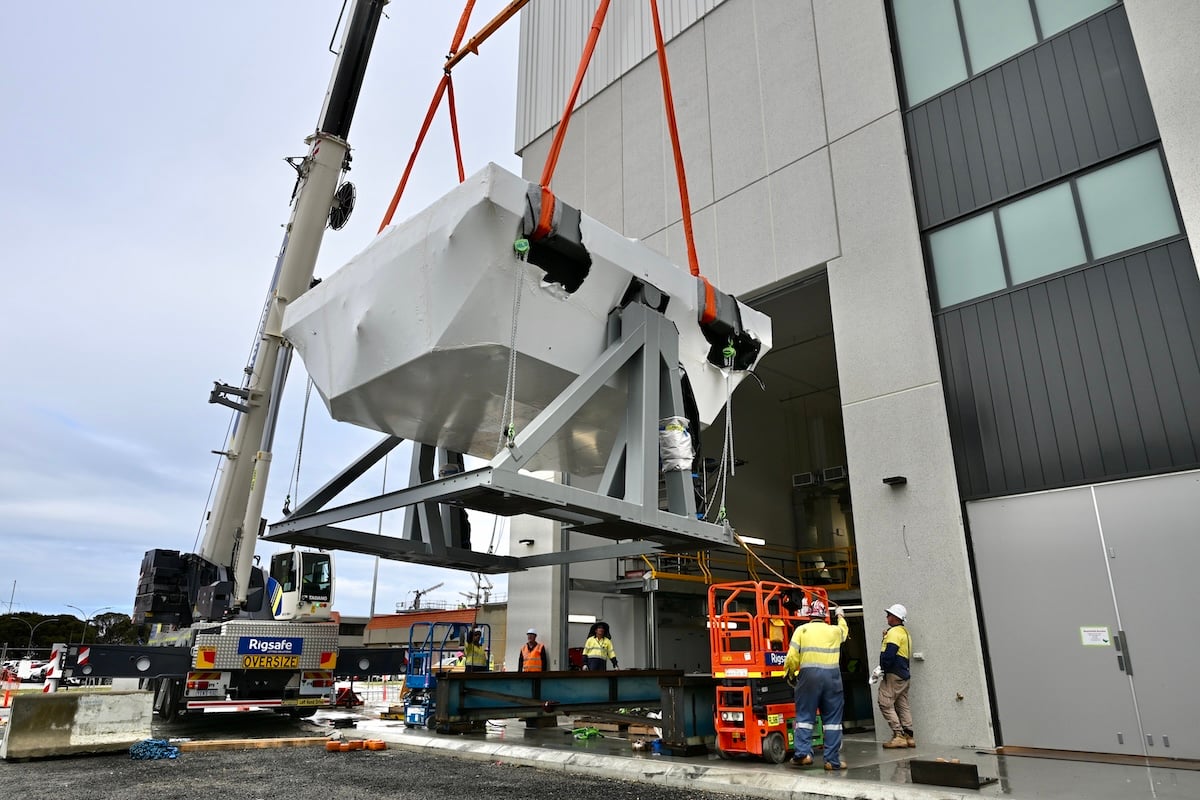
The centrepiece is the Virginia Ship Control Operations Trainer, which replicates the ship control station aboard a Virginia-class submarine.
It allows personnel to train in a realistic and controlled environment, building proficiency in submarine manoeuvring, operational procedures and emergency response, the Australian Submarine Agency said. The broader training suite supports individual and team-based training for Australia’s future conventionally armed, nuclear-powered submarine workforce.
Logistics effort spans air, land and sea
Equipment arrived through a coordinated logistics operation involving maritime shipping, heavy-lift cranes, road transport and strategic airlift, the agency said.
A Royal Australian Air Force C-17A Globemaster III flew components from the United States, while the ADV Stoker transferred the VSCOT from the Port of Fremantle to Oxley Wharf at HMAS Stirling, asa.gov.au reported. Installation at the SSN Training Centre-West is continuing and due for completion next year.
First export of U.S. nuclear submarine trainers
Most of the training systems are being transferred outside the United States for the first time, showing what officials describe as extraordinary trust between the AUKUS partners.
“People often refer to Virginia-class submarines as the ‘crown jewels’ of the United States Navy. Bringing these training systems to Australia is a demonstration of our trust in Australia’s security, stewardship and professionalism,” said Captain Jason Pittman, senior U.S. Navy officer supporting submarine operations at HMAS Stirling.
“It’s the first time systems like these, which are integral to the training of a nuclear-powered submarine crew, have been delivered outside the United States.”
Facility to serve entire submariner career
The centre will support the full training lifecycle, from new recruits with no prior experience through to advanced qualifications for career submariners. “You’ll be able to bring in new recruits and develop them from the very beginning of their career. People will be able to walk through the front door with no prior experience and emerge fully qualified,” Captain Pittman said.
The facility will also support Submarine Rotational Force-West (SRF-West) and Australia’s future Virginia-class fleet.
Rear Admiral Dave Mann, head of the Australian Submarine Agency’s Virginia Division, said the capability reinforces a common standard across the AUKUS partners. “Australians and Americans will be able to train together, learn together, and develop the skills required to operate as a highly integrated team,” he said.
Captain Pittman added that the collaboration is reciprocal: “This is not just about Australia learning how to operate Virginia-class submarines. This is about our two navies sharing best practices and best ways to operate in this region of the world based on our collective understanding of how to drive our different boats.”
The Australian Submarine Agency (ASA) leads Australia’s nuclear-powered submarine program through the AUKUS partnership, overseeing the acquisition of three Virginia-class and five SSN-AUKUS submarines.
As the lead agency for nuclear vessel construction, the ASA directs the build of five Australian SSN-AUKUS submarines at Osborne Naval Shipyard, while coordinating with the US and UK to transfer existing vessels and establish rotational forces like Submarine Rotational Force – West (SRF-West) at HMAS Stirling. With 350 personnel increasing to 680, the ASA manages the full lifecycle, from acquisition to construction and support, ensuring a common standard across AUKUS partners.
Workforce and infrastructure growing in parallel
Hundreds of Australian tradespeople, engineers and project specialists have prepared the facility for integration, Rear Admiral Mann said. “This facility is something people can see and understand. It is physical evidence that real work is taking place. The infrastructure exists, the systems are arriving, the workforce is growing and we’re continuing to make progress towards the milestones that have been set.”
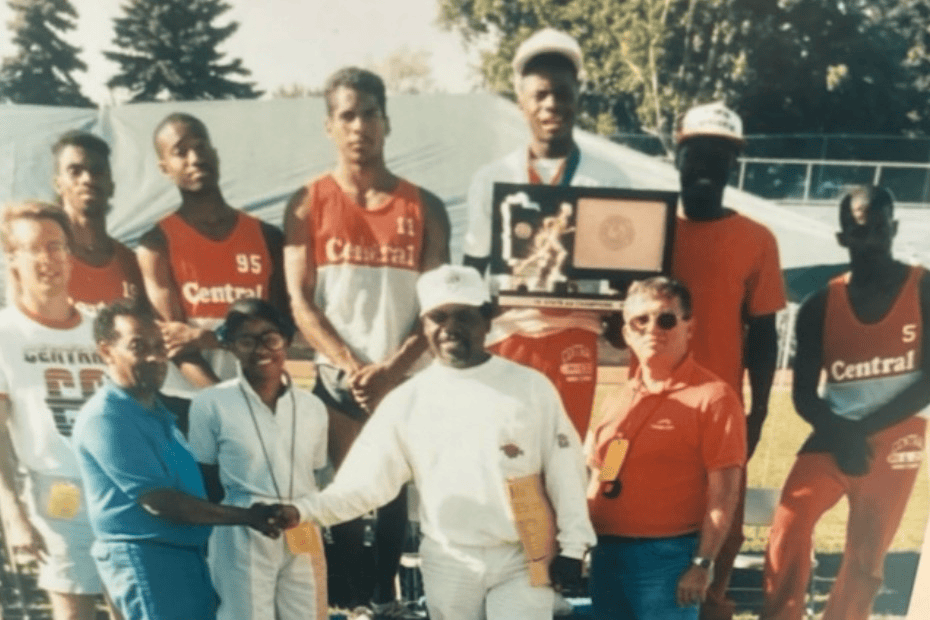
Floyd Smaller Jr., St. Paul Coach and Rondo Days Co-Founder, Dies at 89
Floyd G. Smaller Jr., a beloved high school coach and co-founder of the Rondo Days festival, has died...
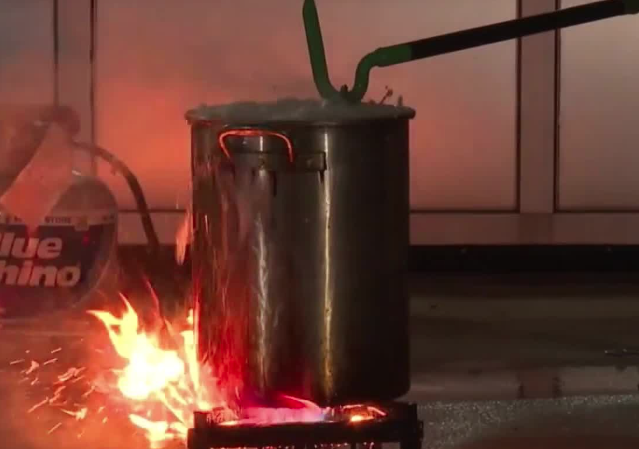
Lower Paxton Fire Chief, Simply Turkey GM Share Thanksgiving Safety Tips
Cooking fires and foodborne illness are risks on Thanksgiving, and local fire and restaurant professionals say the risks...
Seattle Times Publishes Top-100 Italian Reader-Vote List Alongside Critics’ Rankings
The Seattle Times published its first-ever ranking of Seattle’s 50 Essential Restaurants earlier this month, then broke out...
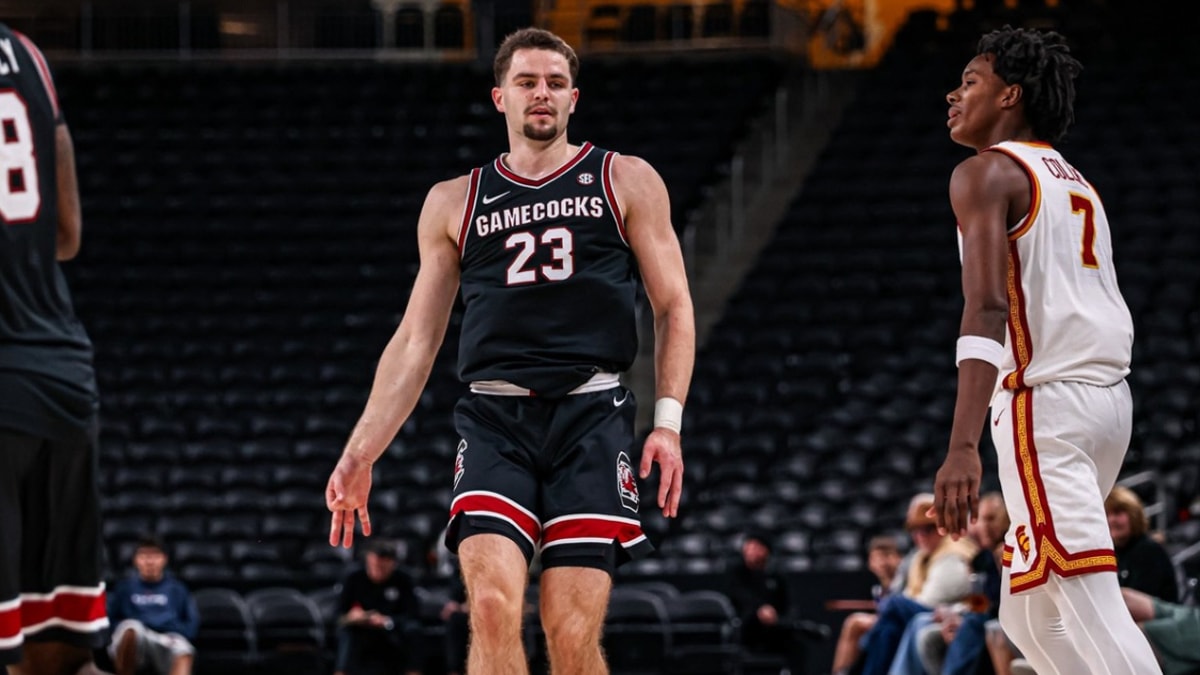
No. 18 Southern Cal beats South Carolina 71-69 in Acrisure Series
No. 18 Southern Cal erased a 10-point second-half deficit and beat South Carolina 71-69 on Wednesday in the...