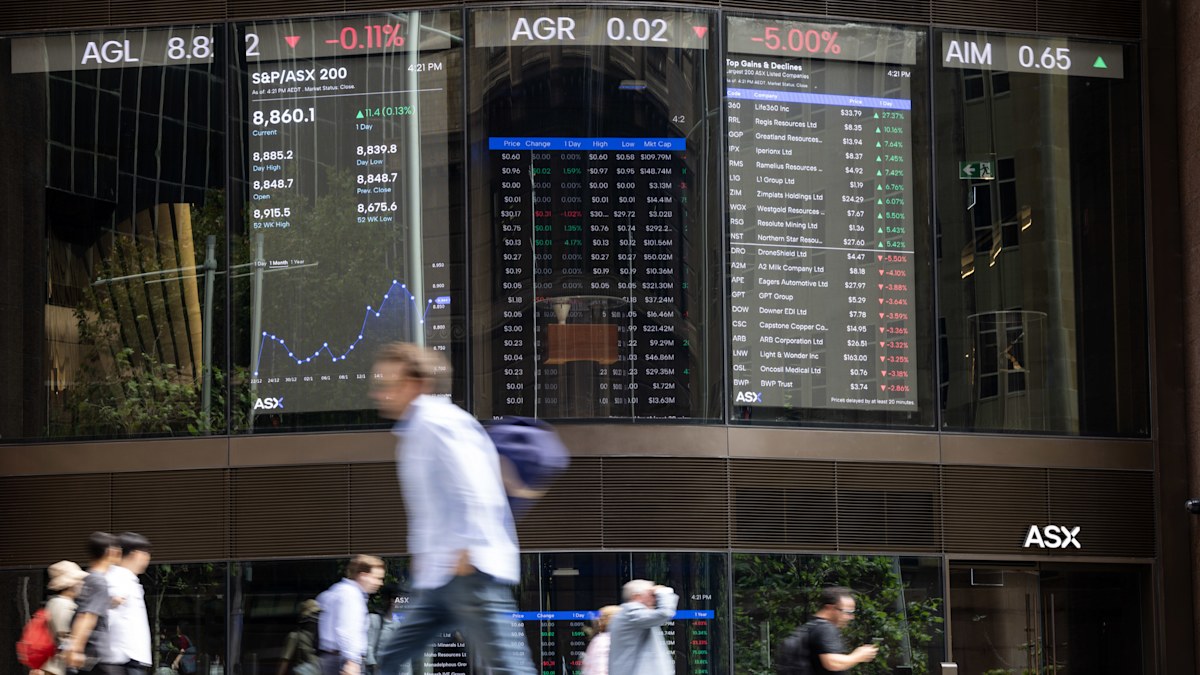
Australia’s unemployment rate surged to 4.9 per cent in October, as the economy shed 43,500 jobs and the number of officially unemployed rose by 17,800 in seasonally adjusted terms, ABC News reported.
The jump puts Australia's Sahm rule reading at 0.6 percentage points — edging toward the 0.75 threshold that would indicate a recession under the Australian calibration of the indicator. Former US Federal Reserve economist Claudia Sahm told ABC News that “changes in the unemployment rate, particularly over the past year, are really the warning sign” and that once unemployment starts rising, “it can start to snowball.”
Independent economist Saul Eslake said if the unemployment rate continues climbing at the average pace of the past six months — 0.06 of a percentage point per month — the Sahm rule could be triggered in December, with confirmation arriving when January 21 labour force data is published. “If it were to come to pass, it would certainly change the economic debate in Australia, and prompt questions as to whether the RBA might have overdone the tightening of monetary policy,” he wrote. The Reserve Bank has lifted interest rates five times this year. Governor Michele Bullock acknowledged earlier this month that the economy would probably slow “markedly” in coming months and that “it is going to make people feel like it’s a recession because they feel poorer.”
RBA chief economist Sarah Hunter told a parliamentary hearing in October that indicators did not suggest a recession was approaching in the near term. A previously unpublished RBA research note from January 2020, obtained by ABC News, shows the bank had been evaluating the Sahm rule for Australia before the pandemic. Researchers concluded a 0.75 percentage point threshold — higher than the 0.5 used in the United States — better fit Australia’s labour market and would have captured the dotcom bust and global financial crisis as “mild” recessions.
In the first three weeks of November, David Jones, Qantas, Bunnings, Canva, Woodside Energy, KPMG, Westpac and General Pants announced a combined 5,300 roles at risk, Nine.com.au reported. Australian Chamber of Commerce and Industry chief executive Andrew McKellar said the rate hikes were “dampening consumer demand” and that consumer-adjacent industries including retail and banking were suffering the most losses.
Inflation remains above target at 4.3 per cent and wages have gone backwards for the past year, according to Nine.com.au. The RBA forecasts unemployment reaching 5.1 per cent by the end of 2028.
Keep reading

Bears Extend Win Streak to Five But Offense Stalls After Second Quarter
The Chicago Bears beat the New Orleans Saints 21-13 on Sunday to extend their winning streak to five...
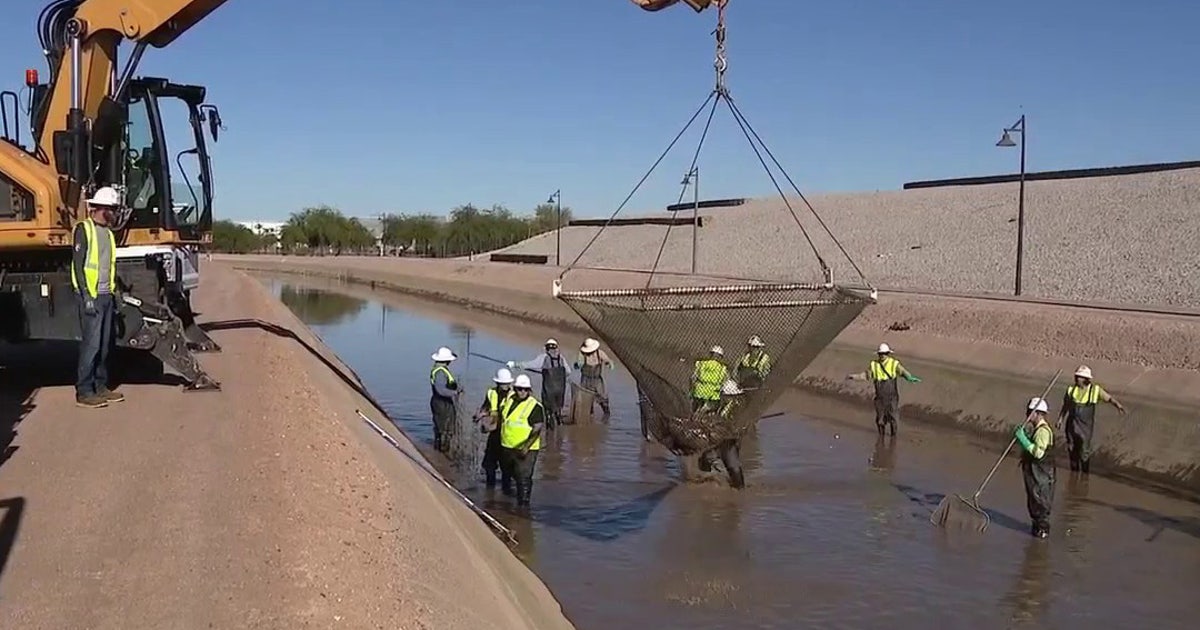
SRP Drains Chandler Canal, Relocates White Amur Fish for Repairs
Salt River Project began draining a two- to three-mile stretch of the Consolidated Canal in Chandler on Friday,...

Missing 19-Year-Old Utah Marine Found Dead in San Bernardino County
“It is with a heavy heart that I share the loss of Lance Cpl. Marriner Richards from 1st...
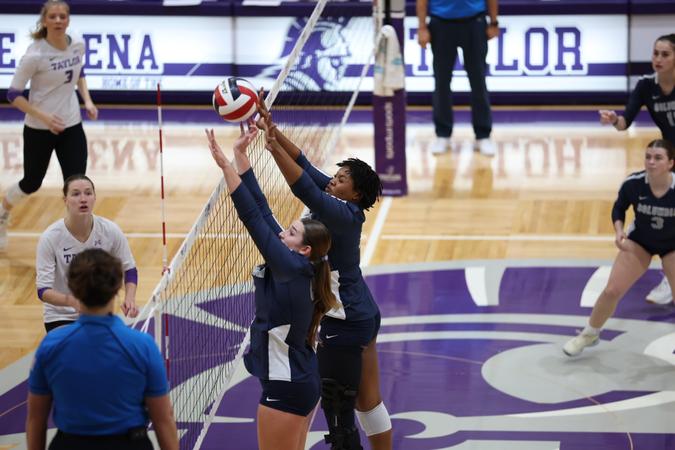
Columbia College Volleyball Season Ends With Loss to No. 8 Taylor in NAIA Opening Round
Columbia College's 34-win season ended Saturday with a straight-sets loss to No. 8 Taylor in the NAIA National...