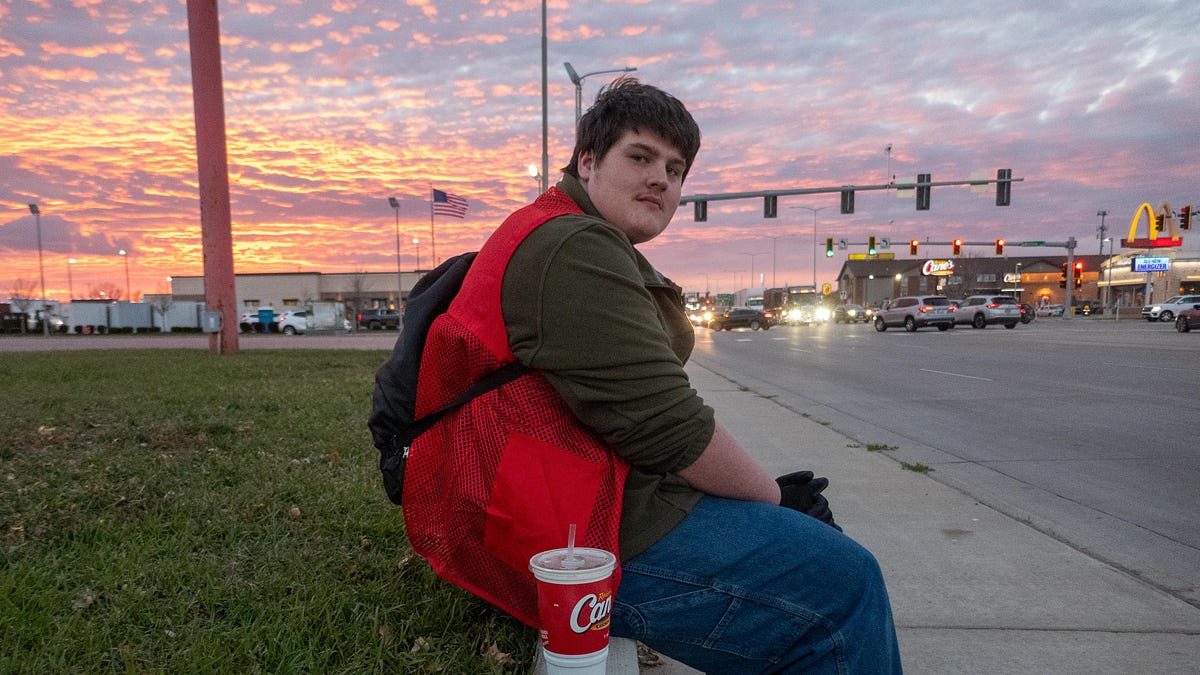
In an essay for walkingtheworld.substack.com, a traveler explores the cultural divide between the franchise-heavy edges of Sioux Falls, South Dakota, and its thriving, historic downtown.
The author describes a four-square-mile triangle of commerce, dubbed “TriBeSku,” located along the interstates of Sioux Falls. This area contains a high density of national chains such as Menards, Sam’s Club, and Starbucks, alongside various churches and entertainment venues. The reporter notes that these locations, common in many American cities, serve as a self-contained community for transient workers living in local hotels.
The triangle also includes Buffalo Wild Wings, Home Depot, Barnes & Noble, and aspiring chains such as Slim Chickens, as well as establishments described as lingering in franchise purgatory such as Granite City Food & Brewery. While it lacks housing, dozens of hotels host out-of-state workers for months at a time, effectively making them residents.
The area’s reliance on car-centric infrastructure was highlighted by the opening of a Raising Cane’s. The event drew security guards and employees flown in from Las Vegas to manage the surge of customers.
Over fifty Raising Cane’s employees were flown in earlier from Vegas to ensure the launch went without a hitch, creating block-long drive-through lines and timed entry. One local resident observed, “We get giddy here about new stuff coming. Was same when Chipotle first opened up.”
In contrast to the commercial triangle, the author found the central part of Sioux Falls to be distinct and well-maintained. Unlike many city centers currently struggling with vacancies and decline, the downtown area features private businesses, bespoke retail, and a vibrant nightlife. The writer notes that local citizens treat the area with a sense of pride, viewing it as a place where misbehavior is strictly avoided.
The city’s practicality is rooted in producing tangible things, specifically servicing the people who grow, raise, and slaughter the food the nation eats. This experience followed a visit to Minneapolis, where the author observed shuttered dining rooms at local McDonald’s locations and empty downtown streets.
The author’s decision to post these observations on Twitter sparked a political reaction, as the Twin Cities have become a focal point for national partisan debates.
During the stay in Sioux Falls, the author met a young man named Landon while waiting for a bus near a retaining wall. Landon shared his aspirations for college and game design, as well as his commitment to sobriety, influenced by his mother’s history with addiction. She was an addict, who “did everything bad that a mother could do,” consuming “every drug but the ones that would kill her.”
He also plans to pursue a wrestling scholarship. Reflecting on the encounter, the author observed that Landon’s outlook mirrored the city itself, noting, “Landon’s strident optimism fit Sioux Falls — a city that immediately impressed me with its confidence, an effusiveness kept from spinning into silliness by its practicality.”
Keep reading
LL Cool J, Fabolous and Jim Jones Help Distribute 4,000 Thanksgiving Meals in Newark
HelloFresh and hip-hop figures including LL Cool J, Fabolous and Jim Jones distributed 4,000 Thanksgiving meal kits to...

An 18-Year-old Man Was Arrested on Monday
An 18-year-old man was arrested on Monday following an alleged dispute over a television remote control at a...

Adrian Wilson Warns Cardinals Changes Are Coming, Ownership Hates Embarrassment
On November 23, 2026, in Glendale, Arizona, former player and executive Adrian Wilson criticized the Arizona Cardinals on...

Man, Dog Swept Off Oregon Stairs by King Tide Wave; Both Escape Unharmed
“King Tides are an impressive natural phenomenon, but no photograph, video, or closer look is worth risking your...