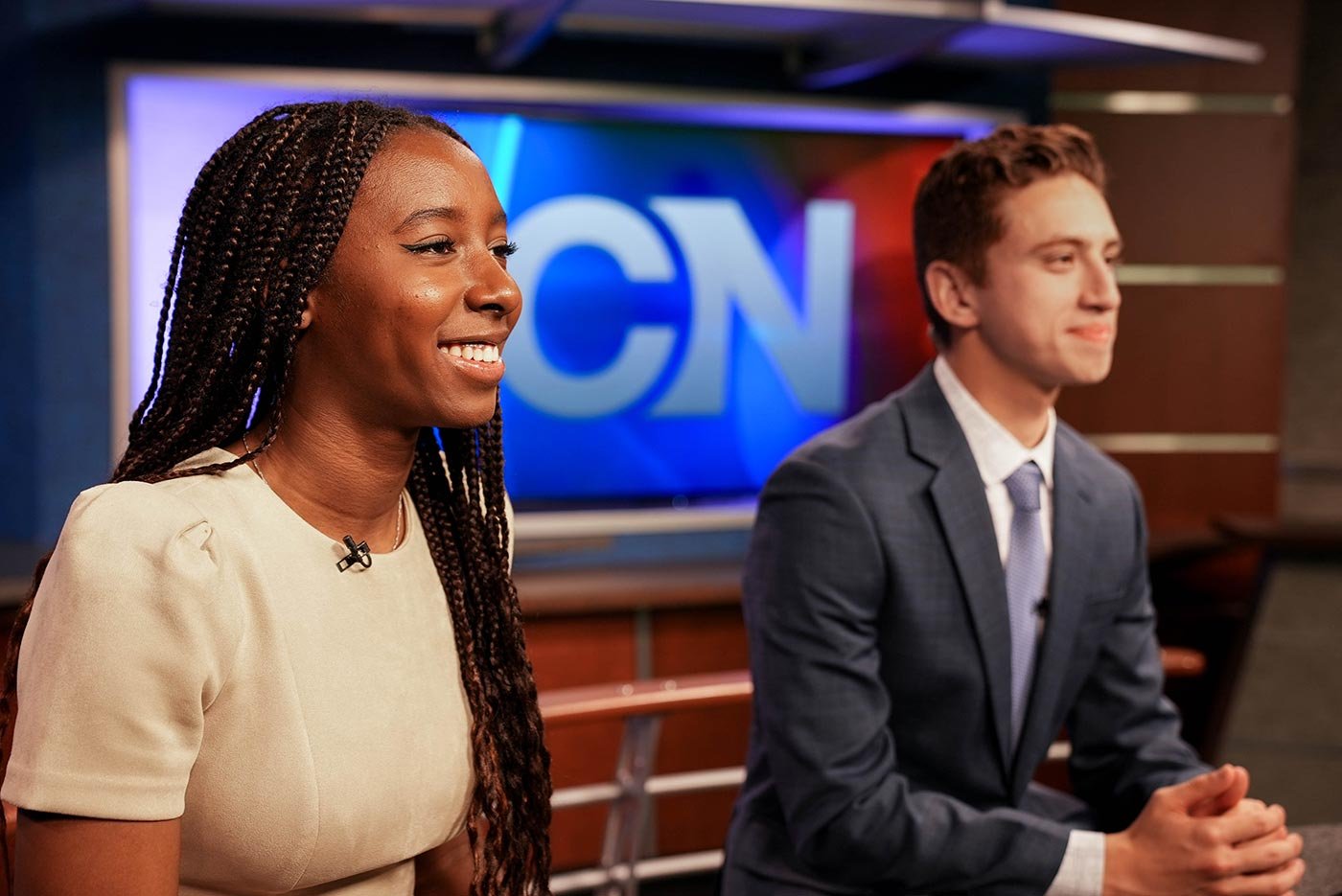
More than 1 million households across Arizona tune in to live evening newscasts produced by Arizona State University journalism students, a broadcast reach that dwarfs the typical campus news operation, according to program details published by degrees.asu.edu.
That figure captures the essence of the Bachelor of Arts in journalism at ASU’s Walter Cronkite School of Journalism and Mass Communication, a program that renamed itself effective Fall 2026—dropping “Journalism and Mass Communication” for simply “journalism”—while keeping its “teaching hospital” model intact. The 120-credit-hour degree, plan code CSJMCBA, places students inside professional newsrooms where they report, produce, and publish for real audiences rather than simulated classrooms.
Newscasts Reaching 1 Million Households
The Cronkite School operates like a working newsroom rather than a lecture hall. Students produce live evening newscasts that reach more than 1 million households and lead investigations that generate published portfolios. They work with advanced technology and emerging tools, including AI-driven reporting and extended reality content, while receiving mentorship from award-winning reporters, producers, and editors who bring real-world experience into the classroom.
This immersive approach means students apply journalism values, ethics, and legal standards in their work, create content for mass audiences using professional tools, critically evaluate information, and produce clear, accurate written content that meets industry standards. The school’s “teaching hospital” model places them in professional newsrooms where they build strong portfolios of published work alongside advanced technical skills.
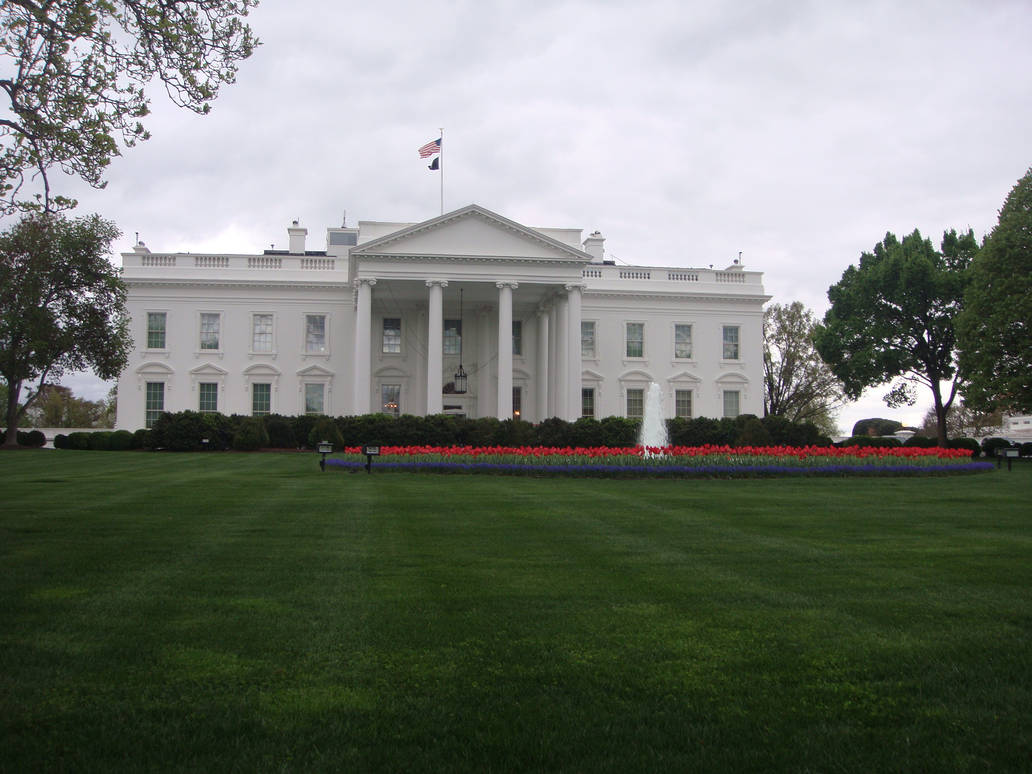
Students have reported from the White House, produced photo essays in Rwanda, and spent semesters at CNN International in Dublin. The alumni network known as #CronkiteNation connects current students to internships, jobs, and mentorship opportunities across the industry.
When Newsroom Growth Stalls but Marketing Salaries Climb
The career outlook for graduates presents a stark split between shrinking traditional newsrooms and expanding adjacent fields. Traditional reporting roles show decline: news anchor positions are projected to shrink 7.6% with a median salary of $47,340, while news reporter roles drop 5.9% to $62,200, according to data from the Occupational Information Network (O*NET) under sponsorship of the U.S. Department of Labor. Editor positions decline 1.1% with a median of $77,920, and photographer roles slip 0.7% to $44,660.
Yet media-adjacent careers show growth and significantly higher compensation. Marketing managers see 6.9% growth with a median salary of $166,790, while executive producers grow 4.0% at $90,360. Production assistants grow 3.9% at $73,620, film editors grow 3.7% at $75,420, and public relations specialists grow 1.8% at $74,750.
The degree prepares students for roles beyond the newsroom, including politics, policy work, corporate communication, and brand storytelling. Many graduates attend law school or pursue advanced research programs, using the program’s emphasis on writing, interviewing, critical thinking, and media law as a foundation.
Fall 2026 Brings a New Name and Continued Accreditation
Effective Fall 2026, the program officially shed its former title of Journalism and Mass Communication to become simply the Bachelor of Arts in journalism. The program maintains dual accreditation: it is recognized by the Accrediting Council on Education in Journalism and Mass Communications and by the Higher Learning Commission.

Accreditation signals that the degree meets high academic standards and is committed to continuous improvement, meaning the credential is recognized by employers and respected by graduate schools. For international students seeking admission, the program requires English proficiency demonstrated through a TOEFL iBT score of at least 100 (or a total score of 5 with minimum section scores of 3.5 for tests taken after January 21, 2026), an IELTS score of 7.0, a Pearson Test of English score of 73, a Duolingo English test score of 120, or a Cambridge English exam score of 185.
Four Years, Two Degrees, One Portfolio
Students can accelerate their education through the school’s accelerated master’s program, completing both a bachelor’s and master’s degree in as little as four years. Students typically receive approval to pursue this path during their junior year. They may also apply to Barrett, The Honors College for additional academic distinction.
The undergraduate curriculum requires 120 credit hours with general math intensity, beginning with any MAT course that satisfies the university’s math requirement. Sample courses include Grammar for Mass Communication (MCO 101), Media and Society (MCO 120), Developing Media Content (MCO 125), Media Writing (JMC 201), Information Gathering (MCO 205), and Digital Media Foundations (MCO 225).
Questions Prospective Students Ask
Is the ASU journalism degree eligible for STEM-OPT extension? No. International students on F-1 visas cannot use this program for the 24-month STEM-OPT extension, as journalism is not classified as a STEM field by U.S. Citizenship and Immigration Services.
Can students from western states get reduced tuition? Yes. Students from western states who select this major may qualify for the Western Undergraduate Exchange rate of 150% of Arizona resident tuition plus applicable fees.
What is the first math course required? Any MAT course that satisfies the university’s general math requirement; the program has general math intensity rather than advanced mathematical training.
Keep reading

UIC Student Arrested After Attempted Stabbing at Student Center East
A University of Illinois Chicago student was in custody Wednesday evening after campus police investigated an attempted stabbing...

Boise State landed at No
Boise State landed at No. 25 in the first College Football Playoff rankings of the 2026 season on...
Democrats Secure Reelection in Hawaiʻi as Tokuda and Case Win Congressional Seats
Hawaiʻi's two Democratic incumbents sailed back to Washington on Tuesday with commanding victories, riding a national blue wave...

Georgia Gov. Kemp rejects special session to block Bottoms ahead of election
For the first time in 24 years, the keys to Georgia's Governor's Mansion are changing parties, and outgoing...