
“What thriving city has a downtown that looks like a zombie apocalypse?
The answer is none,” developer David Bramble said of the quiet waterfront shopping destination. Major changes and legal challenges have pushed back the timeline for the Harborplace redevelopment in downtown Baltimore, with construction now hoped to begin in the first quarter of 2027.
To replace the empty pavilions, Bramble is advocating for a new layout that combines retail spaces, residential housing, dining options, and entertainment venues, complete with an outdoor amphitheater and waterfront parks. The project includes plans for two tall buildings featuring a 32-story apartment building and a 25-story apartment building.
Some Baltimore residents said the area has lost its appeal over the years. “It’s a little frustrating because nobody really hangs on the harbor like they used to when I was younger, so it just doesn’t feel the same,” one person said. Other residents expressed concern about the speed of the process, with another noting, “If they’re going to tear this down, I hope they’re able to rebuild it quickly because sometimes the city has a way of taking a very long time to put things back together.”
Community members also want to ensure their voices are heard before plans move ahead, with a resident stating, “I don’t have a problem with plans as long as the public is included and they have the meetings where citizens can come sit down, hear the plan and have input.”
Critics and experts have raised questions regarding the impact of the tall buildings and public revenue commitments. Anirban Basu, CEO of Sage Policy Group, pointed out potential drawbacks of the new structures: “That’s going to block a lot of views of a lot of people who currently live and work downtown. That’s going to extract value from those buildings.”
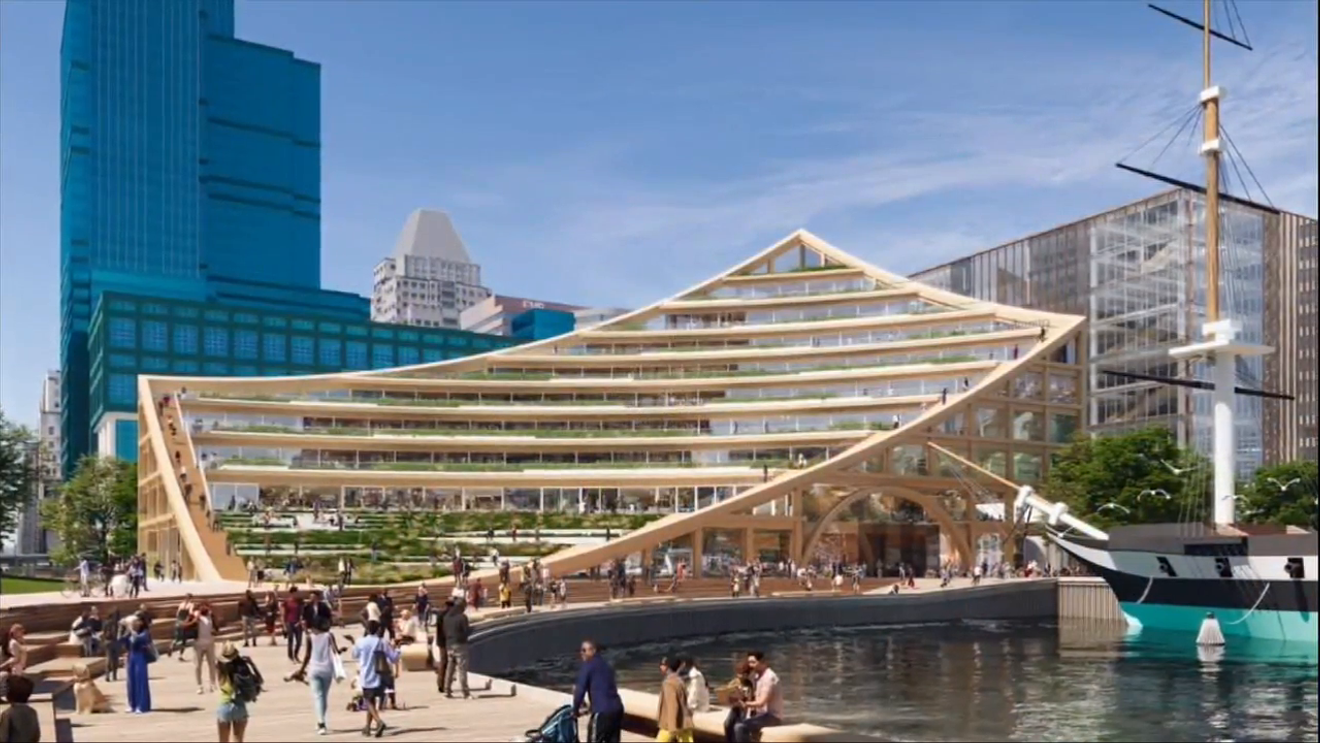
Doubts are also raised by opponents regarding the specific safeguards residents should be granted alongside the financial investment the city ought to direct toward the initiative.
Basu added, “If the properties are losing value because of elevated vacancy, for instance, then that’s going to mean less tax revenue for the city and therefore less money for infrastructure, public safety, parks and recreation.” Whether the redevelopment can deliver what is promised and whether the financial terms will benefit Baltimore in the long run remain unanswered questions.
Worth a look

Oregon Defeats Ohio State 41-28 to Snap Buckeyes’ Home Winning Streak
Ohio State fans started heading for the exits early in the third quarter on Nov. 7, 2026, watching...

Florida Gators lose to Oklahoma 23-7 at Ben Hill Griffin Stadium
Florida fell to Oklahoma 23-7 at Ben Hill Griffin Stadium on Saturday night, suffering its second consecutive double-digit...

Ohio Living Westminster-Thurber Offers Comprehensive Senior Care in Columbus
Ohio Living Westminster-Thurber provides a vibrant and supportive environment for seniors, nestled within the picturesque Victorian Village neighborhood....

9 Most Scenic Communities to Visit in New York’s Finger Lakes
Travel publication World Atlas has highlighted nine scenic communities across New York's Finger Lakes region that offer distinct...