
“We know in Louisiana, we are number one for senior hunger and number two in childhood hunger,” said Stephanie Sterling, executive director of Catholic Charities of the Diocese of Baton Rouge, laying bare the stakes as holiday distributions ramp up across the capital region.
Both the Greater Baton Rouge Food Bank and Catholic Charities are moving thousands of holiday boxes this week and next, trying to blunt a seasonal spike in need that arrives alongside the highest grocery prices in a generation, WAFB reported.
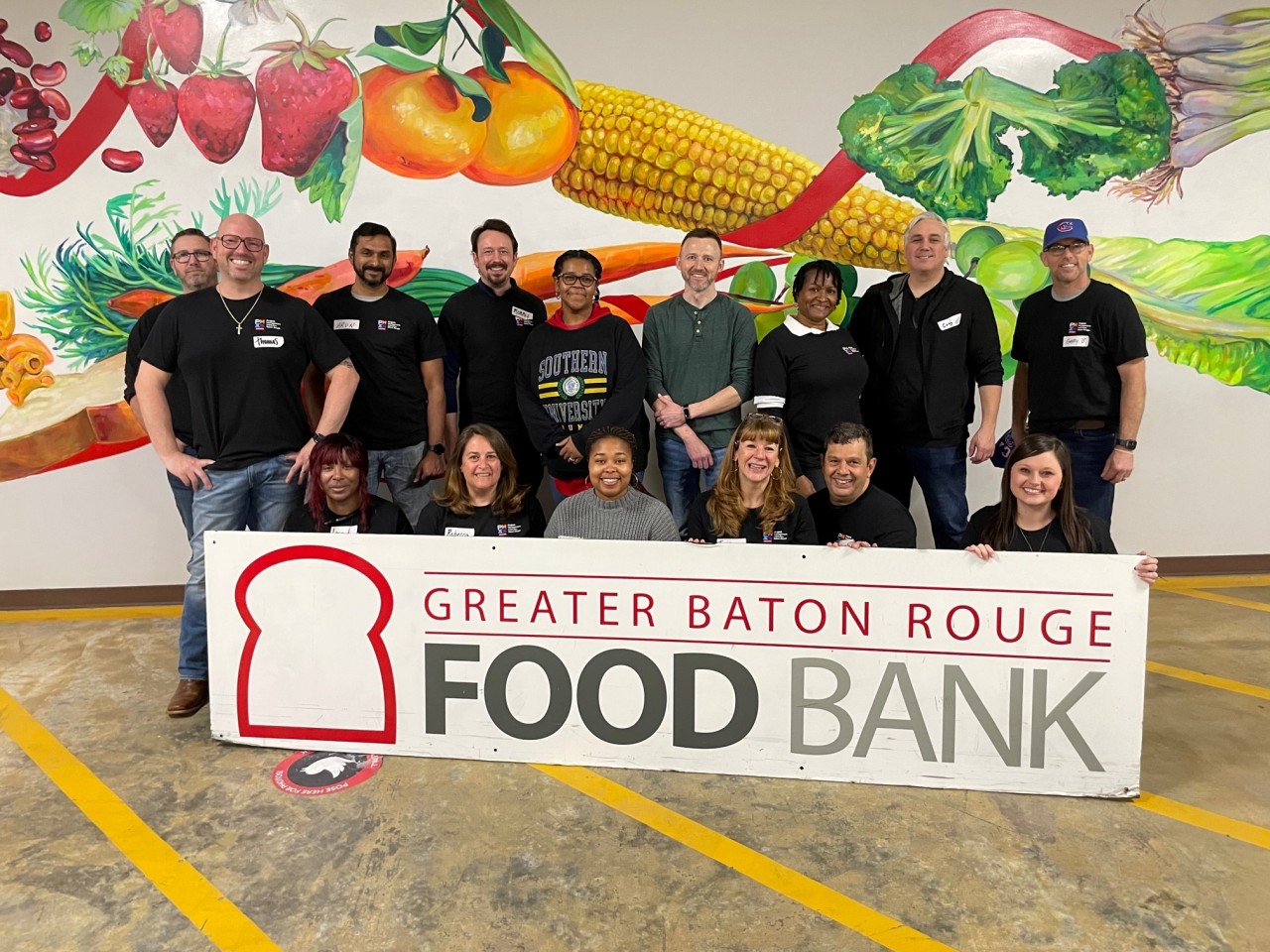
Brian Hightower, chief development officer and general counsel for the food bank, said corporate sponsors including Nutrien, CF Industries and Exxon underwrite the boxes, which are designed to replicate a traditional holiday meal with proteins, stuffing and canned goods.
The Leo S. Butler community center is partnering with the Greater Baton Rouge Food Bank to feed the hungry this holiday season. Among the volunteers filling boxes and stuffing cars are formerly unhoused people who say they are compelled by god to give back. pic.twitter.com/XIHJ8RdNEL
The food bank serves 45,000 to 49,000 people a month through a network of 145 partner agencies, Hightower said, a baseline that swells by roughly 5,000 additional holiday boxes over the next two months. Distributions run through the weekend and into next week; schedules are posted on the food bank’s social media channels.
Catholic Charities operates on a different scale but with a wider geographic footprint, distributing boxes in Baton Rouge, Albany, Donaldsonville, Morganza and Convent. Sterling said the organization serves about 2,000 families monthly year-round and runs a retail rescue program with Sam’s Club and Walmart that brought in more than 300,000 pounds of close-dated food last year, valued at over $700,000. The two organizations collaborate on USDA commodities and retail rescue logistics, Sterling said.
“This year, obviously, costs are up, and holidays in and of themselves bring about a desire to be with family and to enjoy a shared meal,” Hightower told WAFB.
Funding those meals takes more than food donations. Sterling said that the Catholic Charities food program absorbs ongoing costs for fuel, truck maintenance, refrigeration and freezer capacity — expenses that persist whether donations arrive or not.
The food bank directs monetary gifts through brfoodbank.org, including a recurring Nourish 365 option, while Catholic Charities accepts online donations at catholiccharitiesbr.org. The food bank also coordinates food drives and maintains drop-off bins at partner grocery stores.
The Greater Baton Rouge Food Bank traces its start to fall 1984, when the Baton Rouge economy ranked among the nation’s worst and downtown churches reported triple the usual requests for help. It began as an outgrowth of the Urban Ministries Coalition after Delchamps Food Stores asked United Way to channel unsold groceries to a new hunger-relief effort; a steering committee of faith and civic leaders organized the first distribution from the Victoria Baptist Church parking lot.
From that lot the operation moved through a small house and successive warehouses before settling in 2014 at the Fraenkel Center, a facility made possible by a donation from Albert Fraenkel and his family.
This Thanksgiving, Catholic Charities staff and Catholic Life Center employees are running an internal food drive not open to public drop-off, Sterling said, a reminder that the logistics chain feeding the region’s hungriest residents runs on both public generosity and institutional infrastructure.

Chicago Holiday Season Opens Nov. 20 With Free Tree Lighting, Skating, Parades
Chicago's holiday season opens on Nov. 20 with the 113th Christmas tree lighting in Millennium Park, kicking off...
Volpe Appoints Patrick Springer Deputy Fire Chief Effective Dec. 1
Patrick Springer takes over as deputy fire chief on Dec. 1, filling the vacancy left when Daniel Volpe...
West Tennessee Healthcare, Le Bonheur Expand Pediatric Care in Paris, Dyersburg
"Bringing these services closer to the families who need them is incredibly important to us," said Deena Kail,...

Orchestra Noir Marks 10th Anniversary With R&B and Hip-Hop Classical Arrangements
Atlanta’s Orchestra Noir marks a decade of reframing the symphonic canon this Friday, turning the Cobb Energy Performing...