
Idaho mountain man Richard “Beaver Dick” Leigh and his Shoshone wife, Jenny, guided the 1872 Hayden Expedition through Jackson Hole and the Teton Mountains, contributions that helped lead to the creation of Yellowstone National Park and left their names on the landscape in Jenny Lake and Leigh Lake, according to historical accounts and Grand Teton National Park.
Born in Manchester, England, in 1831, Leigh emigrated to America at age 7 and later joined the Hudson’s Bay Company to begin his education as a trapper. When he was 7 years old he emigrated with his sister, Martha, to America. He never looked back, nor saw his sister again. Col. Henry Wilson.
Leigh earned his nickname in the Tetons. “It was in the Tetons that he acquired his nickname. Local Indians had dubbed him ‘The Beaver’ because he had two large front teeth that prominently protruded, resembling those of the famous fur-bearing rodent,” author Darcy Williamson wrote in the book Mountain Men of Idaho.
The Shoshone also called him Ingapumba, meaning redhead, a reference to his thick red hair and beard. He kept a diary during his time in the mountains. He spelled his words as he spoke them, often dropping the “h” in keeping with his English-accent pronunciation.
In 1863, Leigh married a 16-year-old Eastern Shoshone woman from Chief Washakie’s band, giving her the English name Jenny. The couple homesteaded near Rexburg and raised six children. Dick gave her the English name of Jenny. Jenny was essential to the Hayden Expedition.
“Jenny shared critical knowledge about the land with members of the expedition. Her understanding of the environment, rooted in generations of connection to this valley, aided their success,” Grand Teton National Park wrote on its Facebook page. “Many early expeditions by explorers and trappers in this ecosystem relied on the guidance and assistance of Native American peoples who had lived here for generations and shared their knowledge of the land.”
Leigh was known as a reader who kept a diary, spelling words phonetically in keeping with his English accent. “Beaver Dick’s home was a welcome mat for all humanity – Indians, missionaries, trappers, and settlers,” Williamson wrote. “They found the man a treasure trove of tales and memories, for he loved to converse and had honed that love into a fine art.”
The 1872 Hayden Expedition, guided by Richard “Beaver Dick” Leigh and his Shoshone wife, Jenny, traversed Jackson Hole, a valley between the Gros Ventre and Teton mountain ranges in Wyoming.
Long used by Native Americans for hunting and ceremonial purposes and first recorded by European-American John Colter in 1807, the valley’s geography and Indigenous knowledge proved critical to the expedition’s success. Their contributions in this ecosystem helped lead to the creation of Yellowstone National Park, cementing the valley’s role in the preservation of the American West.
Tragedy struck in December 1876, when Jenny and all of their children — John, Anne Jane, William, Richard Jr., and Elizabeth — died of smallpox. Today, landmarks near Rexburg continue to tell their story, including Beaver Dick Park and the Jenny Leigh Pioneer Cemetery.
Keep reading
Steelers Bench Aaron Rodgers for Mason Rudolph vs. Broncos on Prime Video
The Pittsburgh Steelers host the Denver Broncos at 3 p.m. today at Acrisure Stadium, with the game streaming...
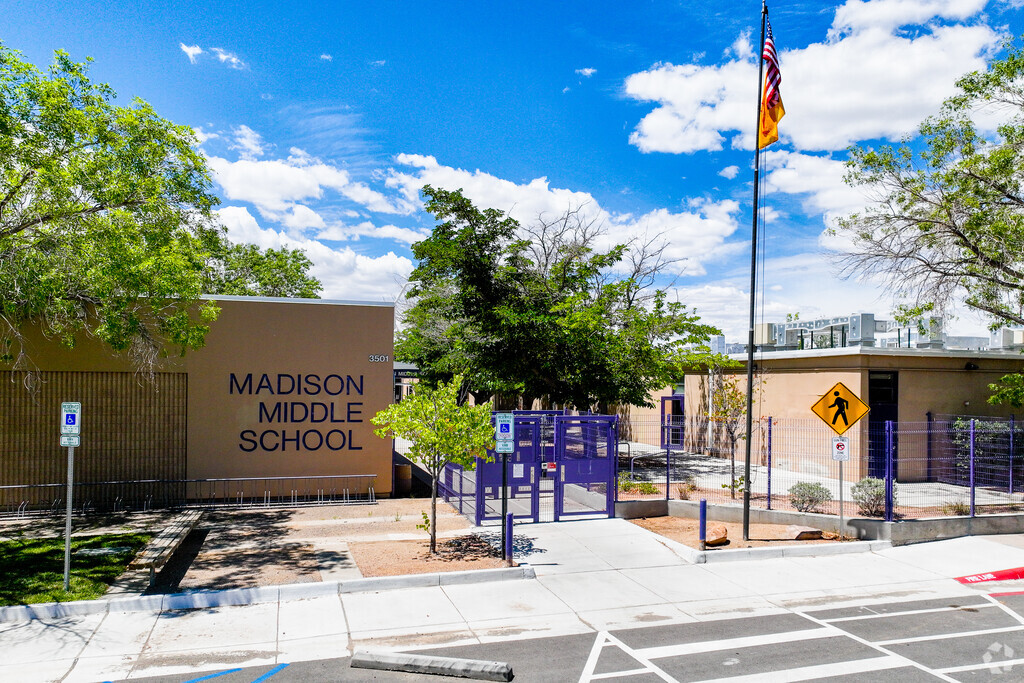
Madison Middle School Enrollment Requirements For New Students And Pre-Registration
Madison Middle School requires families new to Albuquerque Public Schools to present four documents at registration, including a...
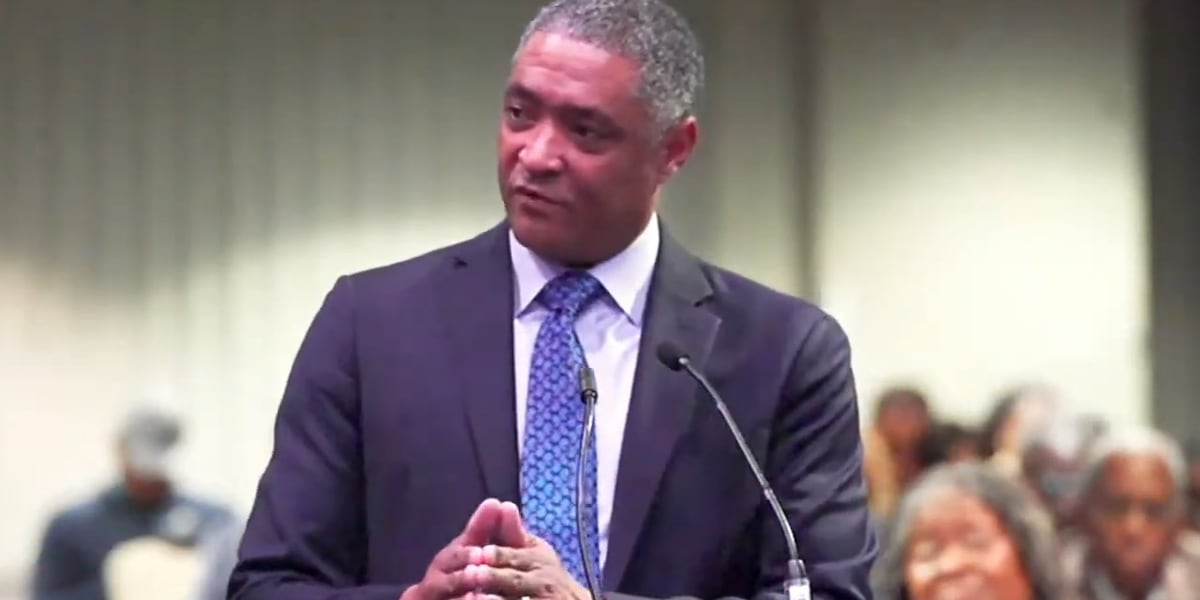
Southern University Names Former Congressman Cedric Richmond Interim President
"Southern shouldn't have to settle for receiving less, because that means our students receive less," Cedric Richmond told...

Al-Hilal Captain Salem Al-Dawsari Out of Al-Ettifaq Match With Ankle Injury, Extending Eve-of-Match Absence Pattern
Al-Hilal captain Salem Al-Dawsari will miss Saturday's Roshn Saudi League match against Al-Ettifaq in Dammam after reporting ankle...