
“The Beaver Supermoon will rise in the eastern sky around sunset on Nov. 23 and 24, creating prime opportunities for astrophotography,” WTOP News reported, citing a chart from EarthSky.
The full moon occurs at 8:53 a.m. CT on Tuesday. CT Tuesday, according to timeanddate.com, with its closest approach to Earth — perigee — at 2:59 p.m. CT the same day at a distance of 223,287 miles, the Chicago Tribune reported, citing data from Fourmilab Switzerland.
NASA’s Jet Propulsion Laboratory defines a supermoon as a full moon within 90 percent of perigee, making it appear up to 14 percent larger and 30 percent brighter than at apogee, the Tribune added.
WSAW reported the moon will be visible Wednesday night, dependent on cloud cover over central Wisconsin, where Tuesday night clouds may hamper viewing.
The November full moon is traditionally called the Beaver Moon because beavers finish their lodges and shore up dams before water freezes, and it was the season for trapping thick winter pelts, the Tribune noted, citing the Farmer’s Almanac. Other names include Frost Moon, Mourning Moon and Freezing Moon.
The moon will appear near the Pleiades star cluster Monday night and the Hyades on Tuesday night, WTOP News reported. It will appear brightest in the western sky during predawn hours Tuesday, the outlet added.
As with anything that moves closer to the viewer, the supermoon will appear bigger than an average full moon, the Tribune reported, quoting the laboratory.
EarthSky.org, the ongoing website that grew from the Earth & Sky radio series (1991–2013), served 21 million users in 2019 according to Google Analytics and now provides the astronomy charts and viewing guides cited by outlets such as WTOP News, the Chicago Tribune and WSAW.
Deborah Byrd, president and co-founder since the radio show’s creation, led the shift to digital after the final broadcast on June 2, 2013, concentrating resources on the website and social media where the organization publishes sky maps, moon-phase calendars and observing tips used by major newsrooms.

The next two full moons also will be supermoons, WSAW reported.
Related reading

Where to Spend New Year’s Eve 2026 in Mississippi: 5 Destinations for Blues, Dining and Downtown Countdowns
Mississippi offers five distinct New Year's Eve destinations for December 31, 2026, ranging from a Delta blues getaway...

Paige Carter Outlines 20-Year Regional Growth Plan Ahead of 2027 Partnership Role
Paige Carter, incoming president and CEO of the Greater Baton Rouge Economic Partnership, outlined a 20-year regional growth...

A cooling failure cost Pierre Gasly a shot at victory in the Las Vegas Grand Prix
A cooling failure cost Pierre Gasly a shot at victory in the Las Vegas Grand Prix, dropping the...
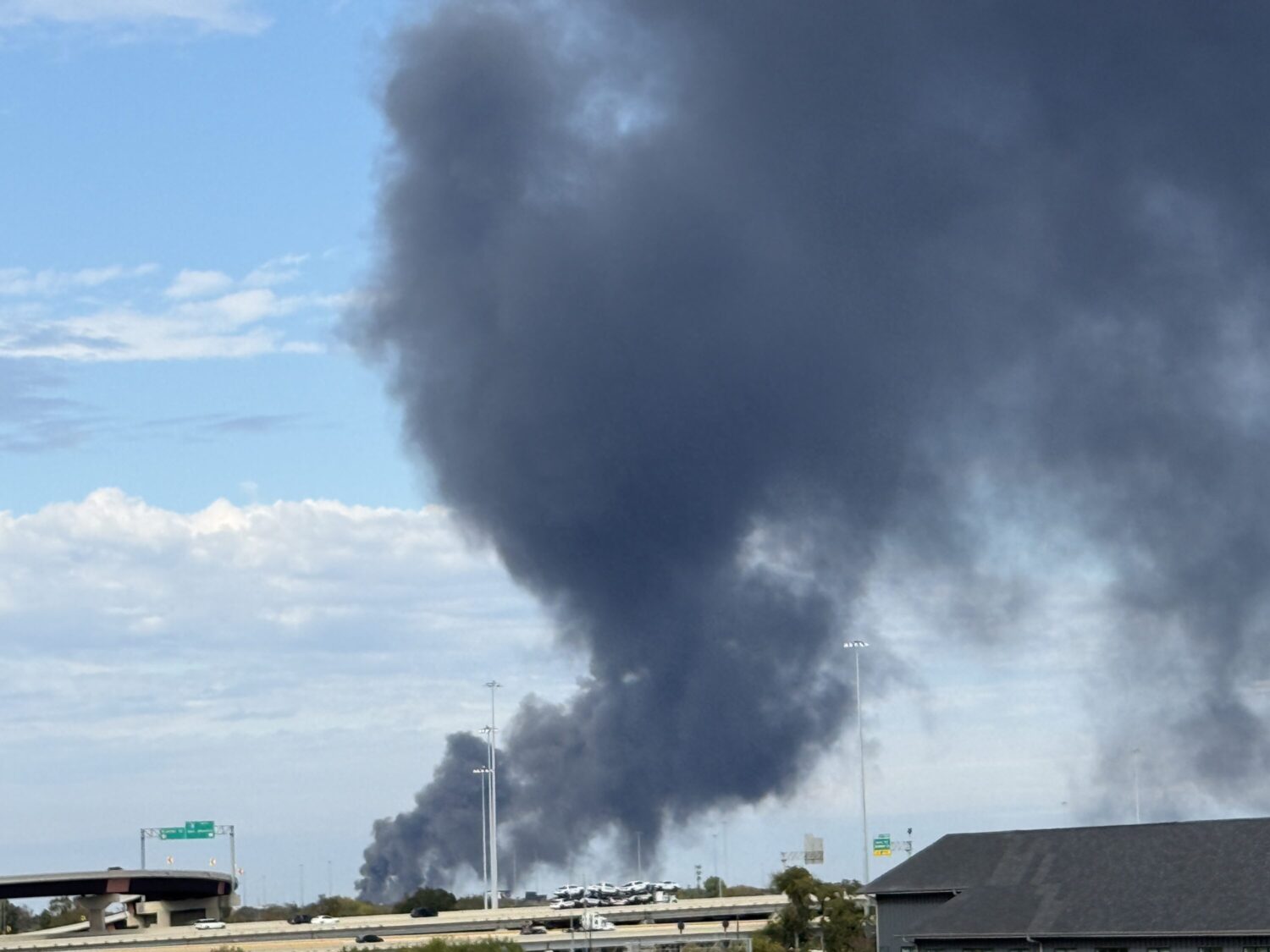
Tanker Fire Shuts Eastex Freeway at 610 Loop, Smoke Drifts Across Houston
Heavy black smoke from a burning tanker truck drifted south and southeast across Houston on Tuesday after a...