
Bethesda Game Studios is working on The Elder Scrolls VI: Sentinel every day, with the majority of the studio focused on the RPG that remains more than two years from release.
Game director Todd Howard confirmed the production pace in a Washington Post interview published Friday as the company marked its 40th anniversary. “Every day, we're working on it,” Howard said. “That's our main focus. The majority of the studio is on it. … We are creating a lot of it at a really good clip, playing the game every day.”
Hammerfell setting decided long ago
The game takes place in Hammerfell after the events of Skyrim, a decision Howard said the team made “a very, very, very long time” ago. “We've known for a very, very, very long time that it's Hammerfell, and what the game was, and the themes and story,” he told the Post.
Each Elder Scrolls entry is set in a different nation of the series’ world; Hammerfell, home to the Redguard people, has not been the primary setting of a mainline game before.

The studio’s philosophy starts with the world. “We always start with the world. What are you going to be exploring, and what is the tone?” Howard said. He declined to elaborate on specific gameplay features, events, or the narrative.
Howard declines to confirm release timeline
Howard would not confirm a release window, supported platforms, or a report from Bloomberg’s Jason Schreier that the game remains more than two years away. “The only thing I can say is we are where we planned to be,” Howard said. “We're very happy with how it's looking.” He cautioned that players face another lengthy wait for further information.
The marketing team had suggested announcing the title for the 40th anniversary. Howard agreed, while noting that another long wait for information lies ahead.
From near closure to Microsoft ownership
Howard’s path to this point traces back to Christmas 1993, when a gift of “Wayne Gretzky Hockey 3” led him to discover Bethesda Softworks along his commute in Pennsylvania. He joined the studio after college, rising to lead its two flagship series: The Elder Scrolls and Fallout.
The studio nearly folded in the early 2000s, dwindling to about six people. “We were going out of business,” Howard recalled. A financial lifeline and the success of The Elder Scrolls III: Morrowind (2002) and Oblivion (2006) turned the trajectory. Howard says Altman — who passed away in 2021 — taught him to trust people and adopt a longer perspective during difficult periods.
Microsoft acquired ZeniMax in 2020. This year brought layoffs across Xbox’s gaming business. As part of the anniversary, ZeniMax Media is rebranding to Bethesda Softworks, a name president Jill Braff said players already associate with the company.
Braff said the business plans to keep a steady cadence between major releases through ongoing games, updated older titles and adaptations such as the Fallout television series. “It’s not about volume,” Braff said, emphasizing quality and a sustainable release pace.

Other projects in motion
Bethesda Game Studios is partnering with Obsidian Entertainment on a new Fallout game, while remasters of Fallout 3 and Fallout: New Vegas are in the works. MachineGames is returning to the Wolfenstein franchise. Braff emphasized a sustainable release pace over volume, pointing to ongoing games, updated older titles, and adaptations such as the Fallout television series.
Howard reflects on early career and studio survival
Around the early 2000s the development team had shrunk to roughly six people, and Howard told The Washington Post they were going out of business.
A financial lifeline gave the studio another chance, and as project leader on The Elder Scrolls III: Morrowind, released in 2002, Howard believed his earlier work had been too cautious, DNYUZ and the Post noted.
Post tours Rockville studio layout
The Washington Post toured the Rockville, Maryland offices, where tall cubicles house developers and quest design sits just down the hall from Howard’s office, the Post reported. The only area off limits was the auditorium, where The Elder Scrolls VI: Sentinel was being showcased, and that world now occupies most of the studio.
Howard said he had just left a meeting about the game and described the rhythm as daily decisions on what needs improvement and what can wait, the Post and TwistedVoxel noted.
He reminds the team that great games are played, not made, which is why they play the build every day, and his end goal remains that the game is not complete until someone else plays it, the Post and Yahoo Entertainment reported.
Daily playtests behind closed doors in Rockville
The Sentinel build is showcased in an auditorium at the Rockville, Maryland offices — the one area off-limits during a recent Washington Post tour. Howard describes the development rhythm as daily decisions about what needs improvement and what can wait.
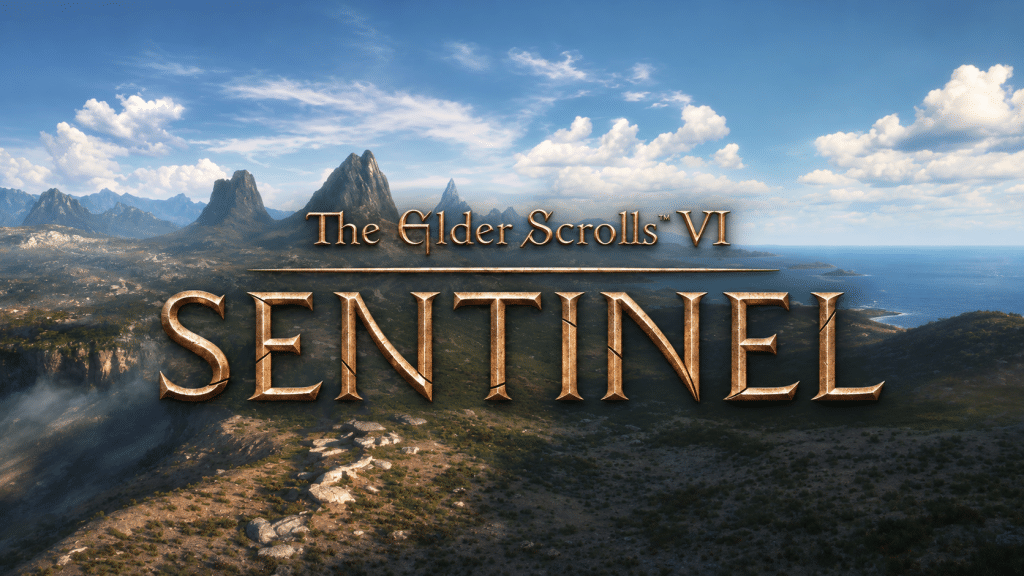
“Here's the experience we want, do we feel we're getting it? Where are we not?” he said. He reminds the team that “great games are played, not made,” which is why they play the game daily.
Howard joined Bethesda Softworks in 1994 as a producer after a college internship pursuit that included a visit to the Rockville, Maryland offices. He earned his first project-lead role on The Elder Scrolls Adventures: Redguard in 1998, then steered The Elder Scrolls III: Morrowind (2002) and The Elder Scrolls IV: Oblivion (2006) as project leader and executive producer, guiding the studio back from a near-closure low of roughly six people.
Howard took the helm of the Fallout franchise as game director and executive producer for Fallout 3 (2008), returned to The Elder Scrolls as creative director for Skyrim (2011), and directed Fallout 4 (2015) while producing Fallout 76 (2018).
“It's not complete until someone else plays it,” Howard said of the end goal. For now, that next world remains behind closed doors.
Worth a look

Chișinău Reaches Final Round for 2027 European Capital of Small Retail
Chișinău has reached the final round of the European Capitals of Small Retail 2027 competition, becoming the only...

HSE Issues Urgent Flu Appeal After 300 Deaths Last Winter as Cases Rise
The Health Service Executive has issued an urgent appeal after more than 300 people died from flu in...
Aoife McCoy: From RA Diagnosis at 18 to Leading Ireland’s Living Well Programme
Aoife McCoy was 18 and weeks into her first year of college when she woke up unable to...

Rodrigo Duterte Opens ICC Trial as First Asian Head of State to Face Tribunal
Rodrigo Duterte will stand trial at the International Criminal Court on Monday, the first Asian head of state...