Baltimore Gas and Electric customers and city officials criticized a proposed $156 million rate increase and a separate Baltimore-only surcharge during the Maryland Public Service Commission’s final public hearing on Nov. 18. If approved, the base increase would add roughly $8 to monthly residential electric bills, while a conduit-related surcharge could add another $9 for city customers starting in January.
The hearing marked the last scheduled opportunity for public comment before the PSC decides on the utility’s request. BGE says the rate increase represents the minimum investment needed to maintain grid reliability and warns that deferring work would lead to more outages and higher future costs, spokesperson Nicholas Alexopulos told afro.com.
The company also argues the city’s 84 percent conduit fee increase — approved by the Board of Estimates — is unjustified and lacks detail on how the revenue would benefit the electric system.
Residents describe choosing between power and groceries
Lifelong Baltimorean Sheron Thornton, 60, told the commission she owes BGE $5,000 and has been placed on a payment plan requiring $800 a month — an amount she cannot afford. “I now have to choose between paying my BGE bill and buying groceries,” Thornton said.
“Our communities deserve affordability and reliable utility services. People should not have to live in fear of opening their monthly utility statements.” She said she has turned to food pantries because the bulk of her income goes to her electric bill.
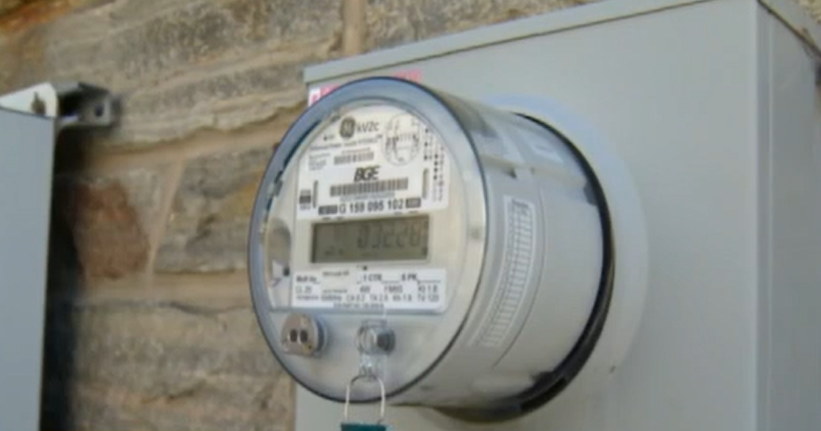
Baltimore City Council President Zeke Cohen testified that some residents are making dangerous trade-offs. He cited Alice Wright, who he said had to turn off her heat to keep her oxygen tank running. “Imagine having to choose between breathing and staying warm. That is an absolute disgrace,” Cohen told cbsnews.com. Other residents described keeping home temperatures low to protect pets from freezing while struggling with grocery costs.
Small-business owner backs the increase
Marcellous Frye Jr., owner of engineering firm Xcellas360, supported the rate case. He said BGE has demonstrated a commitment to partnering with his company and growing its workforce.
“Approval of BGE’s rate case will help support the long-term investments and operational capabilities necessary to maintain and improve that infrastructure,” Frye said. “It also helps sustain opportunities for small businesses, like Xcellas360, to participate, grow and continue developing Maryland’s workforce.”
Councilman and mayor target conduit surcharge
City Councilman Mark Conway (D-District 4) called the overall proposal “ridiculous” and objected to BGE’s request to raise its authorized return on equity from 9.5 percent to 10.4 percent. He also challenged a separate proposal that would add a $9 monthly surcharge for Baltimore City customers after the Board of Estimates voted to increase conduit fees by 84 percent.
“This is not a proposed rate increase across the board. This would be a proposed rate increase for just the city of Baltimore, in part due to a deal that should never have moved forward,” Conway said, referring to a 2023 conduit agreement the city moved to end in August.
Under that agreement, BGE committed to investing roughly $120 million in improvements to the city-owned conduit system and was permitted to recover those costs, plus a return, from customers over 50 years. The Maryland Office of People’s Counsel estimates the original deal will cost ratepayers more than $400 million over that period.
“Fortunately, the city pulled out of that deal… but, unfortunately, we are still being burdened with the $400 million that they will receive over the next 50 years because of that investment,” Conway said.
Mayor Brandon M. Scott described the proposed surcharge as “unprecedented” and “unfortunate.” He said the city has not raised conduit fees since 2016 and that the increase is necessary to maintain aging infrastructure. “When the conduit fee was raised before, they did not go and ask for a jurisdiction-specific rate increase,” Scott told afro.com. “The change hasn’t even gone into effect yet. It won’t until January, meaning BGE is trying to raise a cost on residents before they’ve even seen or felt these higher costs for themselves.”
BGE disputes city’s fee increase
BGE says the 2015 conduit fee adjustment resulted from a negotiated settlement. While negotiating a potential renewal of the 2023 agreement, the utility expected a modest inflation-adjusted increase, but says the city requested an additional $20 million in capital improvements — which BGE rejected over customer affordability concerns, a spokesperson told afro.com.
The utility also argues the city has not provided sufficient detail on how the new revenue would be spent or how it would benefit the grid. “We don’t believe this increase is necessary at all. We don’t believe anyone should be paying it. We don’t believe it should exist,” Alexopulos said.
The Maryland Public Service Commission (PSC) holds statutory authority under the Public Utilities Article to review and set just and reasonable tariff rates for electricity distribution, meaning it can approve, modify, or reject BGE’s proposed $156 million base rate increase and the associated Baltimore conduit surcharge.
The Commission conducts adjudicatory hearings through its public utility law judges (PULJs), who issue proposed orders that the full five-member Commission then adopts, modifies, or rejects by final order. The PSC also reviews the utility’s requested return on equity, currently proposed at 10.4 percent, as part of the overall revenue requirement.
Following the final public hearing on Nov. 18, the PSC has not announced a decision date.
The PSC has not announced a decision date. The next virtual public hearing was previously scheduled for Nov. 4, according to cbsnews.com.
Worth a look
Missouri Board Appoints Sen. Cindy O’Laughlin Interim Education Commissioner
The Missouri State Board of Education voted Friday to appoint state Sen. Cindy O'Laughlin as interim commissioner of...

In a Segment for Tri-State Alert
In a segment for Tri-State Alert, Pennsylvania Rep. Jesse Topper outlines the legislative transition ahead of a Democratic...

North Dakota State Favored by 8.5 Over San Jose State on Black Friday
North Dakota State enters Black Friday at 9-2 and favored by 8.5 points over San Jose State (5-7)...

Orthodox Christian Calls Calvin Robinson’s Expulsion Remark Theologically Indefensible
British cleric Calvin Robinson appeared on The Command Show on Nov. 13 and declared that “driving out the...