
Highly pathogenic avian influenza has turned up in Delaware wild ducks for the first time this fall, state officials confirmed Friday after seven hunter-harvested birds tested presumptive positive at the Little Creek Wildlife Area in eastern Kent County.
The detection arrived during the opening segment of the 2026–27 duck season, which ran from Oct. 31 through Nov. 7, and differs from the pattern Delaware has grown used to: snow geese migrating from the Arctic have been the primary carriers in recent winters, but this season’s first cases came from ducks — green-winged teal, American black duck and northern shoveler — according to the Delaware Department of Natural Resources and Environmental Control.
“Bird flu has become common in the Mid-Atlantic, but it mostly hits the big flocks of snow geese that fly down from the Arctic and spend the winter here,” DNREC said in its announcement.
“The virus can move between wild birds and domestic poultry through direct contact, contaminated equipment and clothing or shoes worn by poultry farmers and caretakers.”
That transmission risk is why hunters who also raise backyard poultry are being urged to adopt strict biosecurity measures. Delaware’s poultry industry — a major economic driver on the Delmarva Peninsula — could face consequences if the virus jumps from wild waterfowl to commercial flocks.
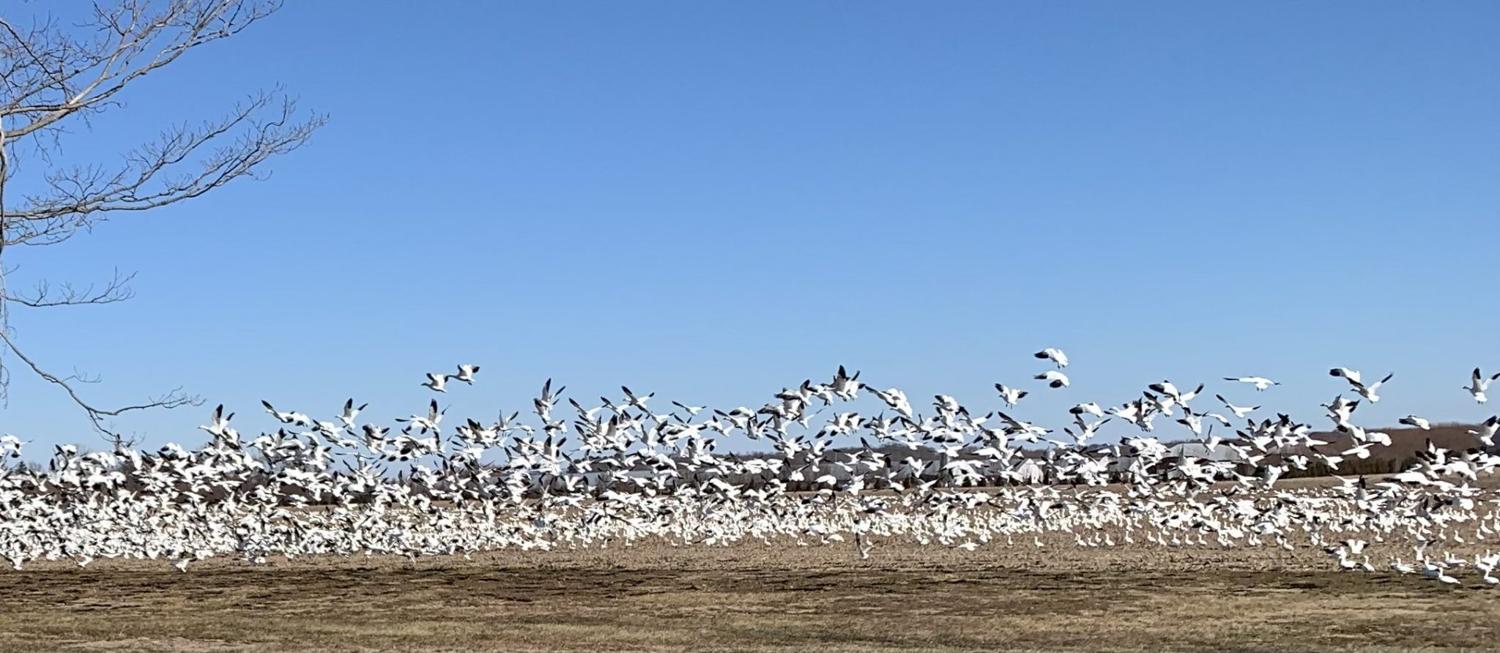
The U.S. Department of Agriculture’s Animal and Plant Health Inspection Service collected the samples as part of routine surveillance for DNREC’s Division of Fish and Wildlife. Testing was conducted at the Pennsylvania Veterinary Laboratory, which returned presumptive positive results for H5 avian influenza.
The next segment of Delaware’s waterfowl season opens Nov. 25. With that date approaching, DNREC is asking hunters and the public to report groups of sick or dead wild birds — ducks, geese, shorebirds, raptors or other species — through the Division of Fish and Wildlife’s sick and dead wildlife reporting form.
Not every report will draw a field response, but each submission helps biologists track the virus’s spread and impact on wild populations.
The Centers for Disease Control and Prevention considers the risk to the general public low. Human H5 infections have risen in the United States in recent years, though nearly all cases involve agricultural and dairy workers with close, prolonged contact with infected animals.
For hunters, DNREC recommends a practical checklist: do not harvest or handle birds that appear sick or are already dead; avoid eating, drinking or smoking while cleaning game; wear rubber gloves when cleaning birds or home feeders; wash hands, tools and work surfaces thoroughly with soap and water; keep raw game separate from cooked or ready-to-eat foods; and cook all game meat to an internal temperature of 165 °F.
Residents who find a dead wild bird on their property and choose to dispose of it themselves should wear gloves, a mask and safety glasses, double-bag the bird with a zip tie, place it in the trash for landfill disposal, discard the protective gear the same way, and wash their hands afterward.
The next waterfowl season segment opens Nov. 25.
Keep reading
Seventeen Senate Work Days Remain This Year to Pass a Farm Bill That Has Been Stalled
Seventeen Senate work days remain this year to pass a farm bill that has been stalled since the...

Montgomery Parks Starts Winter Programming With Holiday Events as Three Bike Parks Close for Repairs
Montgomery Parks kicks off its winter programming this week with a slate of holiday events that runs through...

Salem to Host Free ‘Trick or Turkey?!’ Event Nov. 20 After Nor’easter Postponed Trick-or-Treat
Salem swapped its downtown Halloween parade for a school gymnasium on Friday, two months after a September nor'easter...

North Dakota Bipartisan $25 Insulin Cap Enacted; Self-Funded Plans Excluded
North Dakota enacted a bipartisan law capping insulin costs at $25 for a 30-day supply on state-regulated plans....