
A New Orleans law firm published a guide Thursday explaining when a vessel owner can be liable for a seaman’s injury without proof of negligence, Blake Jones Law Firm, LLC reported.
The firm says the warranty of seaworthiness covers the hull, machinery, gear, workspaces and crew, and that a temporary slick spot or an undermanned shift can breach the duty even if the owner did not know about it. The standard is reasonable fitness, not perfection, the firm said.
Blake Jones Law Firm, LLC cited Mitchell v. Trawler Racer, Inc., 362 U.S. 539 (1960), where a crew member slipped on fish slime left on a ship’s rail, and Waldron v. Moore-McCormack Lines, Inc., 386 U.S. 724 (1967), where the Supreme Court held that assigning too few crewmen to a task can make a vessel unseaworthy.
The guide distinguishes unseaworthiness from a Jones Act negligence claim. Unseaworthiness does not require fault but demands proof that the condition played a substantial part in the injury. The Jones Act requires only that negligence played any part, even the slightest.
Both claims reduce damages by the seaman’s share of fault, and neither allows punitive damages.
“Knowledge matters for a negligence claim, not for unseaworthiness,” the firm said in its guide.
Longshore and harbor workers lost the right to bring unseaworthiness claims in 1972 when Congress limited them to negligence suits under 33 U.S.C. § 905(b). The guide says seaman status determines which remedies are available.
Most unseaworthiness suits must be filed within three years of the injury under 46 U.S.C. § 30106, the same deadline as the Jones Act.
The firm warns that evidence such as broken equipment, crew lists and maintenance logs often disappears long before the deadline.
The firm listed past results including a $675,000 settlement for a deckhand struck by a smokestack on a paddlewheel excursion boat, a $600,000 settlement for a dredge operator hurt when a tender grounded, and a $1.36 million jury verdict for a crane barge operator injured in a boom collapse.
Worth a look

Canton Tops Stoughton 36-0 at Fenway; More Thanksgiving Games Wed-Thu
Massachusetts high schools played Thanksgiving rivalry games across the state on Wednesday and Thursday, with scores compiled by...
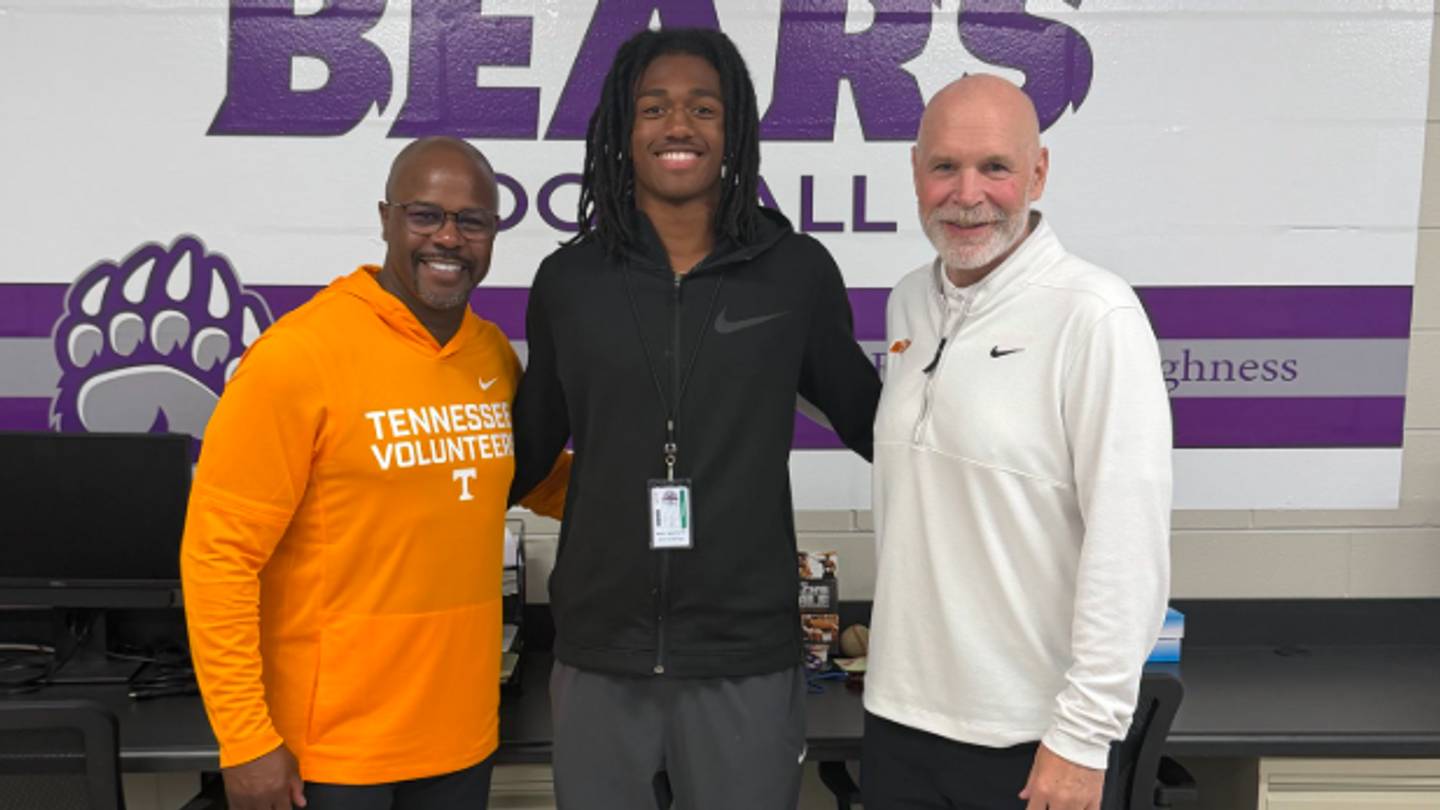
2027 DB Dylan Haley Commits to Appalachian State
In a column for Tennessee Volunteers On SI, the outlet reports that 2027 defensive back Dylan Haley has...

Blazers Pay Lillard $13.4M While Bucks Cover $22.5M Through 2029-30
The Portland Trail Blazers will pay Damian Lillard $13.4 million in the 2026-27 season while the Milwaukee Bucks...

ESPN SP+ Projects Georgia 49-4 Win, 100% Probability Over Georgia Tech
ESPN's SP+ model projects No. 1 Georgia to defeat Georgia Tech 49-4 on Saturday, assigning the Bulldogs a...