
“We needed to fill those,” Lauren Akitake said, referring to gaps in Maui’s ethics policy.
Maui County is updating its rules for lobbyists and strengthening protections against nepotism, led by Akitake, the state’s first full-time county-level ethics employee outside of Honolulu.
Akitake was hired in the summer of 2025 following a series of public corruption scandals and declining public trust. She has since helped pass a bill granting the Board of Ethics greater authority to investigate complaints against current and former officials. The board is also proposing changes to lobbyist regulations and a countywide anti-nepotism policy.
“Two years ago, we didn’t have informal opinions,” said Michael Lilly, the board chair and former Hawaiʻi attorney general. Since hiring full-time staff, the board’s capacity has transformed. Akitake has issued over 200 informal advisory opinions, and the board received 48 complaints in its first year with staff. The council recently approved legislation extending the statute of limitations for investigating ethics violations to six years after misconduct occurs, or six years after it should have been discovered if fraudulently concealed.
The board is also updating lobbyist rules, an area where Maui lags other counties. “It will be such an achievement to fill that hole, that puka,” Akitake said. A second and final reading of the lobbyist legislation is expected next month. The council is also discussing the proposed anti-nepotism policy.
Some residents have criticized the board’s work, particularly after a confidentiality rule change was adopted last year. The board ultimately said it would not enforce that rule pending further discussion.
Lilly said the board had three recent examples of complaints dismissed because the person was no longer employed by the county, a problem the new six-year statute aims to fix.
Expanded ethics training is a key part of the board’s efforts.
“It’s as important for the public employees to know the ethics laws,” Lilly said, “as it is for the public to know that we are on top of them, and that we’re carrying out our mandate.”

Obamas Pack Produce at Chicago Nonprofit in Surprise Thanksgiving Visit
Former President Barack Obama and former First Lady Michelle Obama surprised workers at a Chicago nonprofit on Wednesday,...
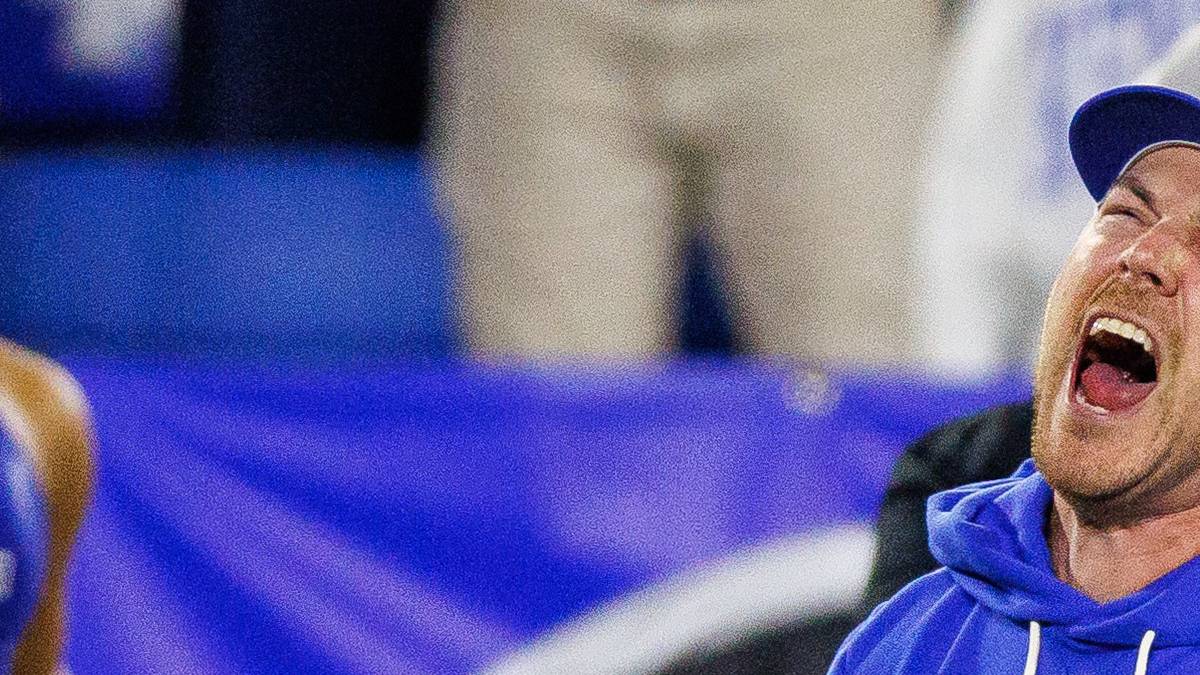
Kentucky Bowl Projections Split Across Four Games Before Louisville Rivalry Week
Kentucky football bowl projections are split across four games, with the destination depending on the outcome of Saturday's...
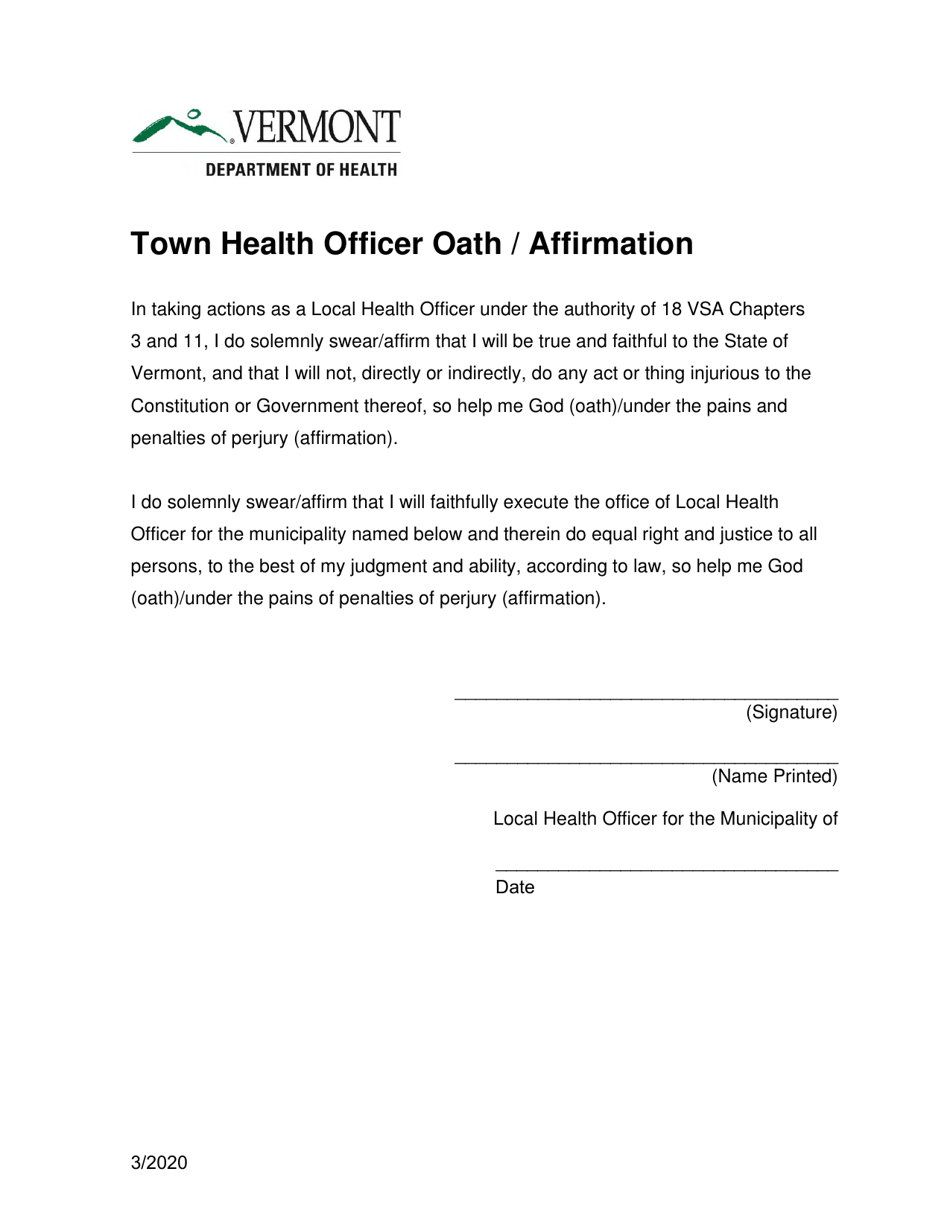
Vermont Tenant Drives to Capitol After Landlord Ignores Calls and Town Fails to Enforce Health Orders
Brad Henry drove two hours to the State Capitol in Montpelier on his day off last week because...
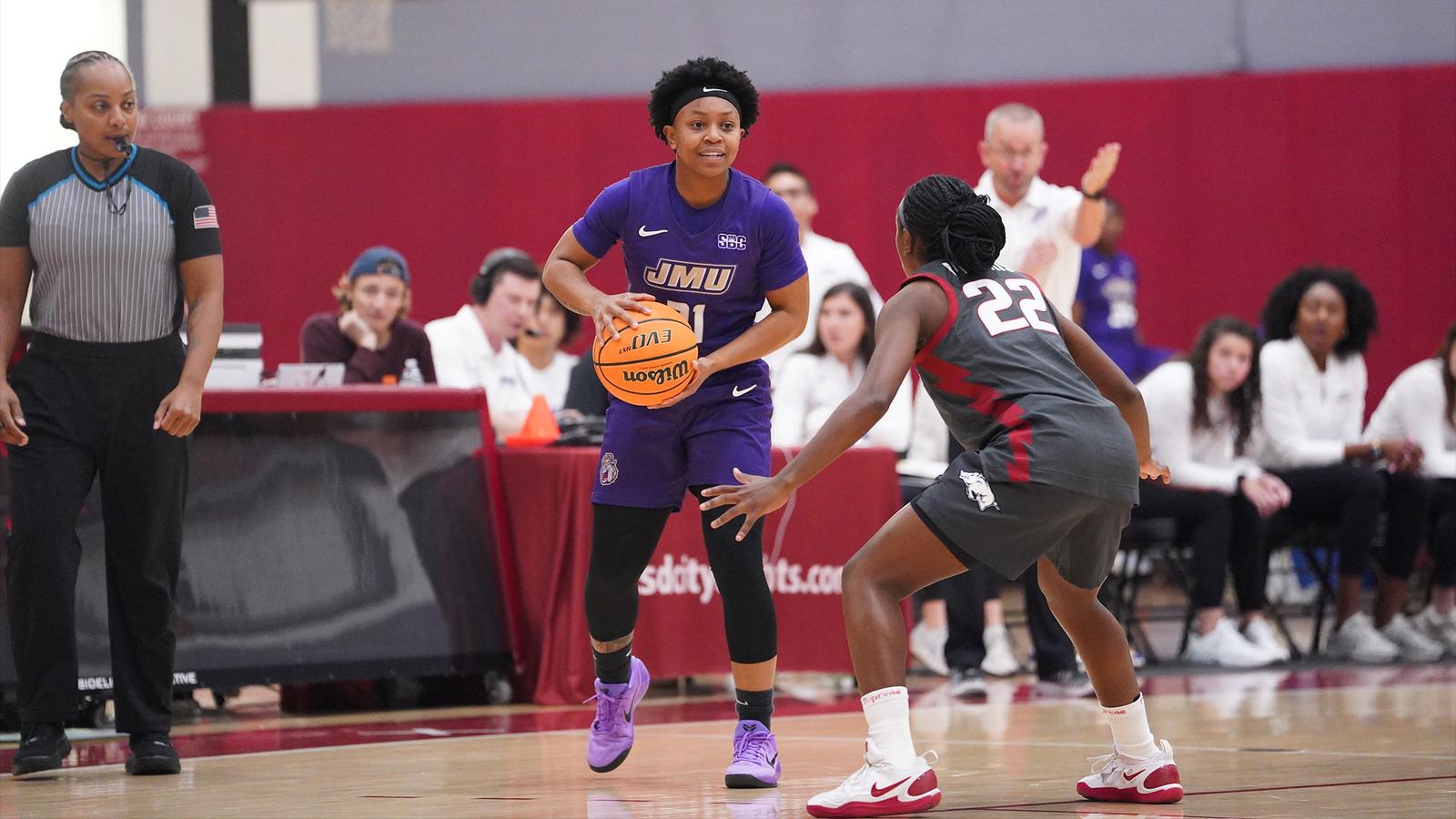
Arkansas 75, James Madison 67: Razorbacks Hold Off 22-Point Comeback
James Madison women's basketball erased a 22-point deficit and outscored Arkansas 24-12 in the fourth quarter, but the...