
“We want them to come to Boise for recreation, to shop, to enjoy our foothills,” Council Member Luci Willits said Tuesday, framing the tension at the heart of a workshop on the city’s impact fee schedule.
The Boise City Council is weighing whether to start charging commercial developers park impact fees for the first time, a move that would shift part of the cost of new green space onto the offices, retailers and warehouses that draw daily crowds from across the Treasure Valley.
BoiseDev reported that the council, guided by consultant TischlerBise, is updating the fee schedule that governs parks, police and fire infrastructure. Under current policy, commercial projects pay for police and fire capacity but contribute nothing toward parks, while residential builders cover both local and regional park fees.
The result, staff explained, is that a downtown office tower or a big-box retailer on the Bench adds thousands of daily users to the park system without paying a dime toward the land or amenities those people use.
Colin McAweeney, the TischlerBise consultant leading the parks study, told the council that the city’s three broad commercial categories — retail, office and industrial — are too blunt to capture the real difference in park demand.
“Your big-box Walmart, your big-box Albertsons has a different demand than a small boutique shop, and we want to make sure that these fees are proportionate to that,” he said. Neighboring Nampa and Caldwell already use finer-grained categories such as self-storage and institutional uses, McAweeney noted, allowing them to calibrate fees more precisely to the intensity of use each development generates.
The conversation quickly turned to the fate of the neighborhood coffee shop. Council President Meredith Stead said she would support a threshold exemption — perhaps 1,500 or 3,000 square feet — so that small, walk-in businesses aren’t swept into the same fee structure as a regional strip mall.
“In my mind, I would love neighborhoods to have a little coffee shop on the corner, and in my mind, that’s less of my consideration than a big business park or a new strip mall going in,” Stead said. Mayor Lauren McLean agreed, adding that if state impact-fee law prevents a statutory exemption, the city could explore a policy waiver similar to the one it already uses for affordable housing.
That affordability parallel comes with a catch. City spokesperson Maria Ortega pointed out that when impact fees are waived, Idaho law requires the city to backfill the lost revenue from the general fund.
“In other words, if fees were to be waived on small businesses, the city would need to contribute the amount of the waiver to the General Fund,” Ortega said. The same rule applies to the existing affordable-housing waivers, meaning every carve-out for a favored policy goal carries a direct budget cost.
Council Member Colin Nash emphasized geographic equity, arguing that fees collected in a given part of town should fund park improvements in that same area.
Ortega said staff will evaluate how to align commercial collections with the city’s existing split between local park zones — which spend money near the development — and regional park fees, which support citywide assets such as the Greenbelt and Ann Morrison Park. Currently, downtown residential projects pay regional fees, but downtown commercial projects pay nothing at all.
The mechanics of the next steps are procedural but firm. McAweeney said a proposed fee schedule will go to the Development Impact Fee Advisory Committee for review, followed by a capital improvements plan and an ordinance that must clear the Planning and Zoning Commission before returning to the council for final adoption. No timeline for adoption was given at the workshop.
The debate mirrors a broader friction point in fast-growing Western cities: how to make growth pay for itself without choking off the small-scale, neighborhood-serving development that elected officials say they want. Boise’s population growth has slowed relative to its neighbors, but daytime population swells remain significant. Willits acknowledged the balancing act explicitly: “If these fees go too high, then people aren’t going to build in Boise.”
The Boise City Council transitioned from at-large to district-based elections in 2023 after the Idaho Legislature mandated districts for cities over 100,000 residents. The six-member body now includes a council president and president pro tempore chosen from among its members, with the mayor serving as presiding officer ex officio.
Regular meetings take place Tuesday evenings at City Hall, with work sessions typically held the afternoon before — the same setting where the impact-fee workshop unfolded.
For now, the council has asked staff to model granular commercial categories, test a small-business threshold, and map how the revenue would flow back to the parks nearest the new development. The advisory committee will see those numbers first.
What the council ultimately adopts will signal whether Boise treats its parks as a residential amenity or as shared infrastructure that serves every worker, shopper and trail user who shows up each day.
Keep reading
Lawmakers Question 8 Star’s Pipeline Land Rights Conversion Request
Lawmakers questioned 8 Star's request to convert land rights for a pipeline corridor the state and Glenfarne Group...

Cheyenne Schools Locked Down as Police, U.S. Marshals Arrest Escapee
Three Cheyenne schools went into lockdown Thursday morning as police and U.S. Marshals hunted a 19-year-old escapee from...
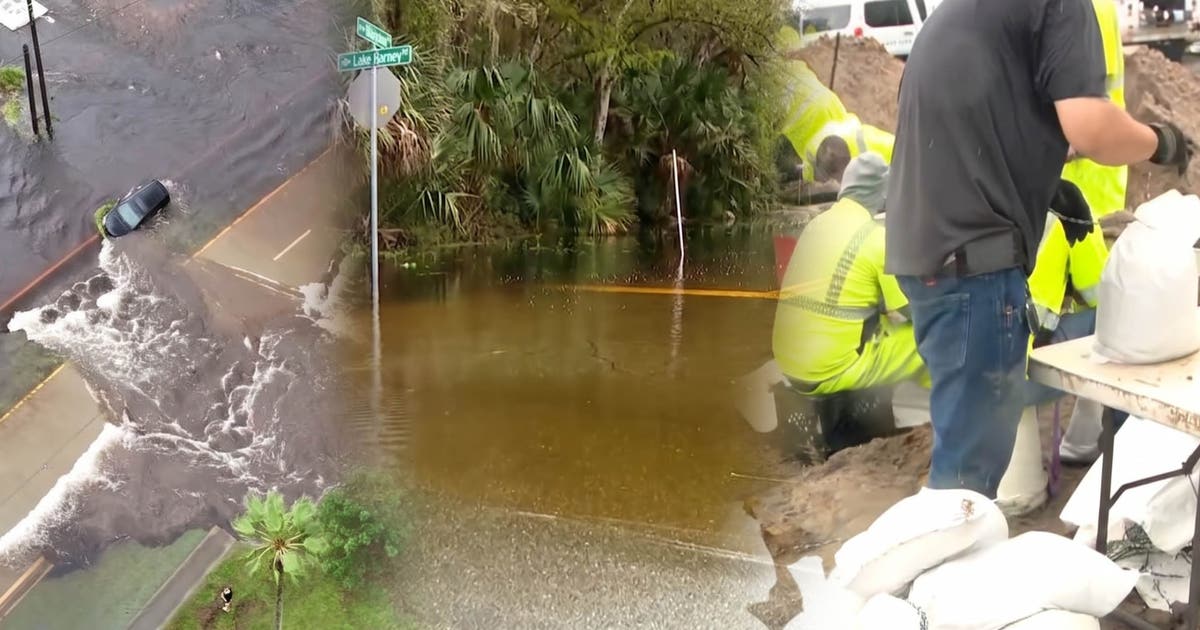
Central Florida Braces for Up to 30 Inches of Rain Across Multiple Counties
Daytona Beach had already swallowed nearly seven inches of rain by Wednesday evening, and the heaviest bands were...

Austin City Council Accepts $25M for Lady Bird Lake Boardwalk After Years of Disputes
Austin City Council accepted a $25 million state payment for a Lady Bird Lake boardwalk Thursday, ceding to...